The Interplay of DNA and Life Experience
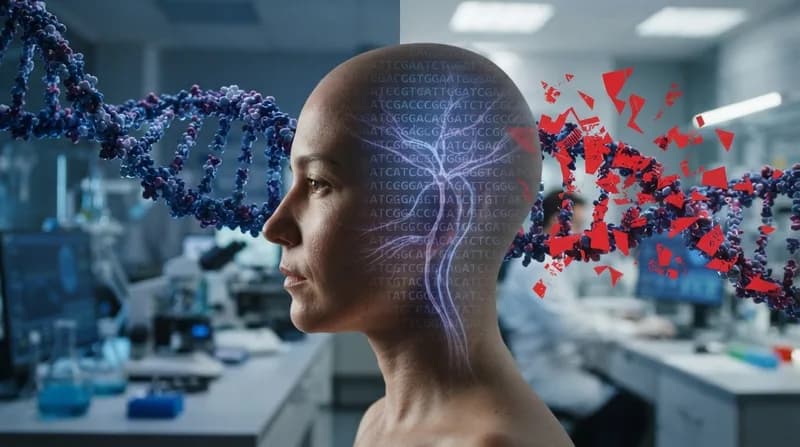
For decades, scientists have debated the extent to which our genetic makeup determines our response to traumatic events. A groundbreaking new study published in the European Journal of Psychotraumatology suggests that the answer is not a simple binary of nature versus nurture, but rather a complex, specific interaction between the two. By analyzing data from over 144,000 individuals, researchers have discovered that genetic predisposition for post-traumatic stress disorder (PTSD) may fluctuate significantly depending on the nature of the trauma experienced.
The study, which utilized extensive datasets from the UK Biobank and various national health resources, moved beyond broad correlations to examine how specific genetic variants interact with eleven distinct types of traumatic experiences. This research marks a significant shift in psychiatric genomics, moving away from viewing PTSD as a monolith and instead treating it as a condition potentially tailored by the unique environmental stressors a person faces during their lifetime.
The Impact of Childhood Trauma
One of the most compelling findings is the heightened influence of genetics regarding childhood experiences. The research suggests that childhood traumas, such as neglect or abuse, demonstrate stronger associations with PTSD symptoms and greater levels of gene-trauma interaction compared to traumas encountered in adulthood. This suggests that the human genome may be particularly influential during developmental windows when the brain and social identity are most susceptible to disruption.
Interestingly, while childhood abuse was more directly tied to overall PTSD symptoms, childhood neglect showed a stronger correlation with genetic susceptibility. Researchers posit that because childhood is a critical biological and social maturation period, any interference during these formative years can leave lasting imprints on a person’s long-term stress response, mediated by their unique genetic background.
Identifying Key Genetic Markers
The study pinpointed specific genes that appear to "gate" the response to trauma. A primary example is the FAM120A gene, which is heavily involved in the brain's fear and stress processing circuits. The findings showed that this gene interacts uniquely and significantly with childhood emotional neglect, highlighting how a specific piece of genetic code can prime an individual to respond differently to a specific type of hardship.
Not all findings followed expected patterns, however. Researchers observed that the SGCD gene, which is typically associated with muscle function rather than neurological health, also showed a strong interaction with various trauma types. This unexpected connection highlights how much remains to be uncovered in the biological underpinnings of psychiatric disorders, as the brain's stress response often recruits cellular processes from across the entire body.
Why it Matters: The Future of Precision Psychiatry
- Early Intervention: By identifying individuals with higher genetic vulnerability to specific traumas, clinicians could develop targeted screening programs for those who have recently experienced life-threatening events.
- Personalized Care: Understanding a patient's genetic interaction profile could eventually lead to more personalized therapeutic approaches that address the root of their stress-processing mechanism.
- Expanded Research Models: This study emphasizes the necessity for future psychiatric research to incorporate comprehensive trauma histories, moving beyond simple diagnostic categories to understand how specific experiences "activate" different genetic risks.
Ultimately, this research suggests that the future of PTSD treatment may lie in precision medicine. By integrating genetic profiling with a thorough understanding of an individual's life history, doctors hope to reach a point where they can predict who is most at risk for developing long-term psychological disability, allowing for early, preventative interventions that can change the trajectory of recovery.