Democratizing Access to Solar Energy
For millions of apartment dwellers and renters, the dream of tapping into solar energy has historically been blocked by prohibitive installation costs, complex permitting processes, and landlord restrictions. New Jersey is changing that narrative with new legislation signed by Governor Mikie Sherrill, which officially legalizes the use of plug-in, balcony-mounted solar energy systems. By cutting through the regulatory fog, this initiative aims to empower residents to take control of their electricity costs through a simple, accessible hardware solution.
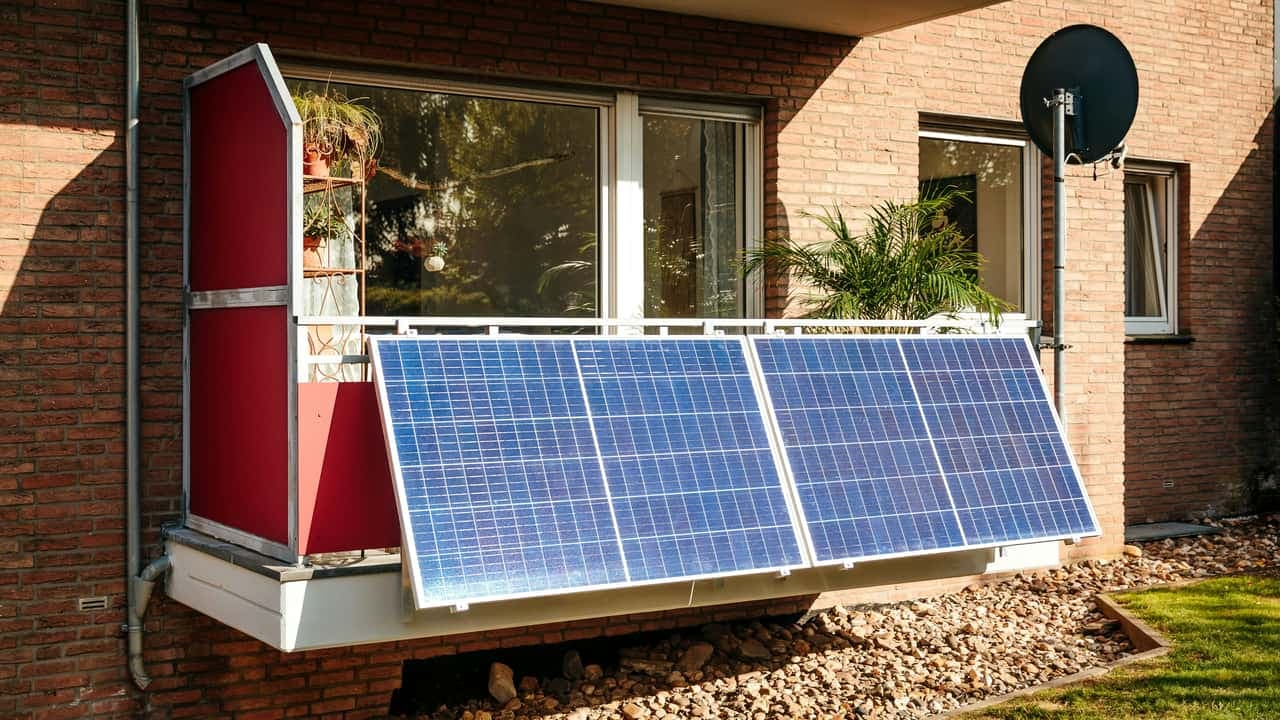
The law, set to take effect in the coming months, removes the ability for local municipalities and restrictive homeowner associations to block the installation of these systems. With a power output cap of 1,200 watts, these compact setups are perfectly suited for urban environments, allowing apartment residents to leverage sunny balconies or patios to generate clean energy that feeds directly into their home’s internal electrical network.
How the Technology Functions
At the heart of the balcony solar movement is a straightforward design: a set of high-efficiency photovoltaic panels paired with a specialized microinverter. Unlike complex, traditional rooftop solar arrays that require extensive professional wiring and grid-tie agreements, these units are designed to be user-friendly. The system is essentially plug-and-play; the microinverter converts the DC power generated by the sunlight into AC power, which is then delivered directly through a standard wall outlet to offset the household’s energy consumption.
Safety remains a paramount focus of this legislation. The hardware must be designed to prevent back-feeding energy into the grid during power outages—a crucial feature that protects utility company linemen who may be working on nearby infrastructure. By keeping the generation local and contained behind the residence's meter, these systems offer a safe and reliable way for families to lower their reliance on the grid and reduce their monthly utility expenditures by up to $50, depending on usage patterns and system size.
Why It Matters
- Accessibility: Roughly 40% of New Jerseyans live in rented housing or apartments, a demographic previously underserved by solar initiatives.
- Economic Impact: These systems can save families hundreds of dollars annually, offering an immediate return on a modest initial investment compared to expensive full-scale rooftop installations.
- Regulatory Ease: The law prohibits local governments from requiring arduous licensing or special approvals, effectively clearing the path for mass adoption similar to the successful rollout seen in Germany.
A Step Toward Greater Energy Independence
The impact of this policy extends beyond just household savings. By normalizing decentralized solar energy production, New Jersey is creating a blueprint for other states to follow. While the law mandates a 14-day notification period for landlords and allows for reasonable oversight regarding the size and placement of the units, it shifts the power dynamic firmly into the hands of the tenant. As electricity costs continue to fluctuate and rise, this hardware-first approach provides a tangible, DIY-friendly pathway to sustainability.
This legislation effectively introduces the 'balcony solar' model to the American market at scale. With systems that are designed to be affordable and efficient, the barrier to entry for solar power has been lowered significantly. As the technology behind microinverters continues to shrink in size and drop in price, the prospect of an urban apartment building serving as a vertical micro-power plant is no longer a futuristic concept, but a legal, practical reality for New Jersey residents.