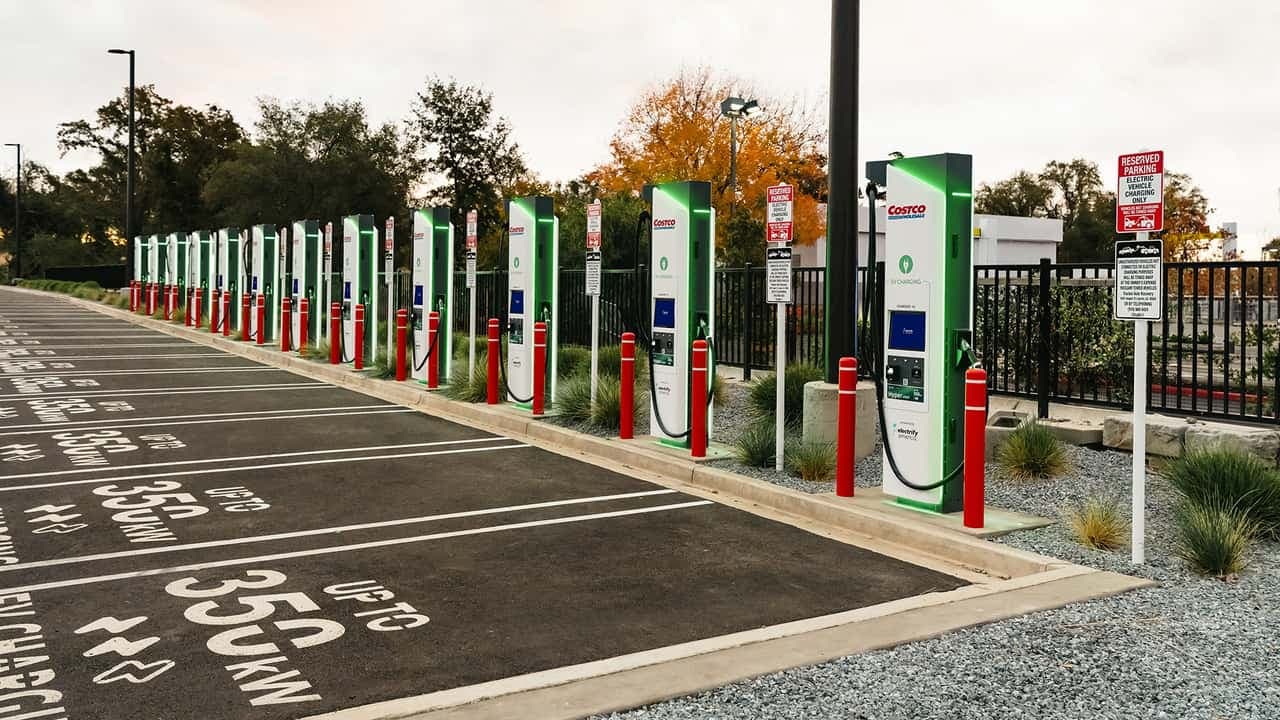
The Shift from Peak Power to Network Density
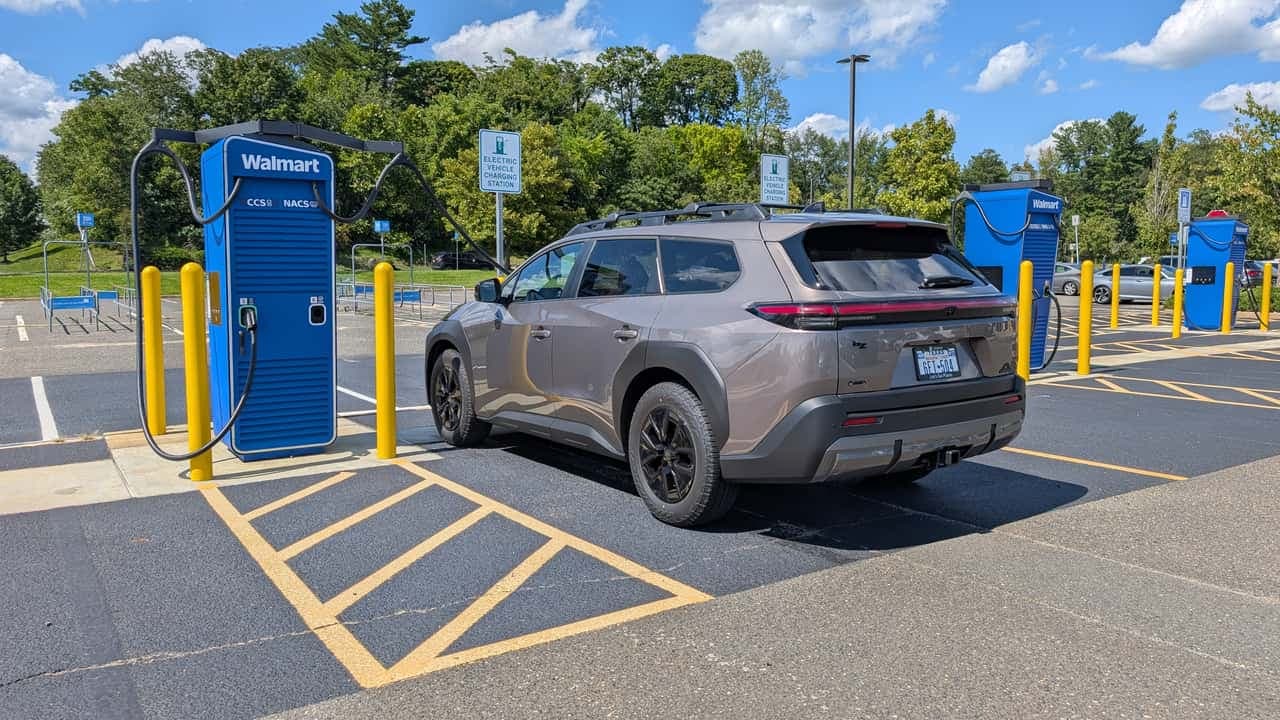
For years, the electric vehicle industry has been locked in an arms race to deliver the highest possible peak charging speeds. Headlines frequently tout chargers capable of delivering 350kW or even higher, promising sub-10-minute charge times. However, a groundbreaking white paper published by Kempower, a specialist in charging hardware and management software, suggests that this obsession with speed may be misguided. According to the company's analysis of North American charging data, network operators may be better served by prioritizing the number of plugs per site rather than the sheer electrical throughput of individual stalls.
The data, derived from Kempower's ChargEye analytics platform, indicates that site utilization—the key metric for network profitability—is far more sensitive to the number of available charging points than to the total installed power. While ultra-fast chargers are undeniably impressive, they often sit idle or underutilized, whereas sites with higher plug counts consistently see more traffic, resulting in a significantly faster return on investment for site owners.
The Math Behind Better Utilization
Kempower’s research presents a clear correlation: as the number of charging points increases, so does the efficiency of the station. In a direct comparison, the report notes that an eight-plug charging station experiences a utilization rate roughly three times higher than a station equipped with fewer, higher-powered stalls. While increasing from 100kW to 400kW in capacity yields only a marginal boost in utilization, increasing from two plugs to eight can move the needle from approximately 2% to nearly 10%.
The disparity in energy delivery is equally striking. On average, sites with eight plugs provided more than double the total energy—128,342 kilowatt-hours—compared to their four-plug counterparts, which moved roughly 61,453 kWh. For operators looking to ensure long-term financial viability, this data suggests that physical accessibility and reliability through density are more critical than the theoretical peak speed of a single port.
The Reality of EV Charging Curves
One of the core reasons for this trend is that most modern electric vehicles rarely maintain their advertised peak charging power for the duration of a charging session. Even when a vehicle supports a 300kW peak, the reality of the charging curve—the speed at which a battery accepts power as it approaches capacity—means that most sessions hover closer to an average of 100kW to 150kW. Consequently, installing massive, ultra-fast power hardware for a vehicle that will throttle its intake mid-charge creates an inefficient capital expenditure.
Kempower advocates for a distributed power architecture. By utilizing dynamic power management, operators can balance the load across multiple vehicles simultaneously. This mirrors the strategy long championed by Tesla, where power is distributed based on real-time vehicle demand. This approach not only optimizes current electricity usage but also creates a scalable foundation, allowing networks to increase their capacity as demand grows without requiring a complete overhaul of the site's electrical infrastructure.
Why it Matters
- Scalability: Dynamic power sharing allows sites to start small and expand without massive additional grid infrastructure costs.
- Utilization: Higher plug counts reduce queue wait times, encouraging more EV drivers to choose those specific locations.
- Capital Efficiency: By aligning charging speeds with actual vehicle consumption curves, operators avoid paying for unused peak capacity.
Ultimately, the transition toward a mature EV charging ecosystem may look less like a race to the fastest charger and more like a move toward convenience and availability. As the market expands, the ability to find an open plug is likely to matter more to the average consumer than shaving a few minutes off an already efficient charging stop.