The Shift Toward Extended-Range Power
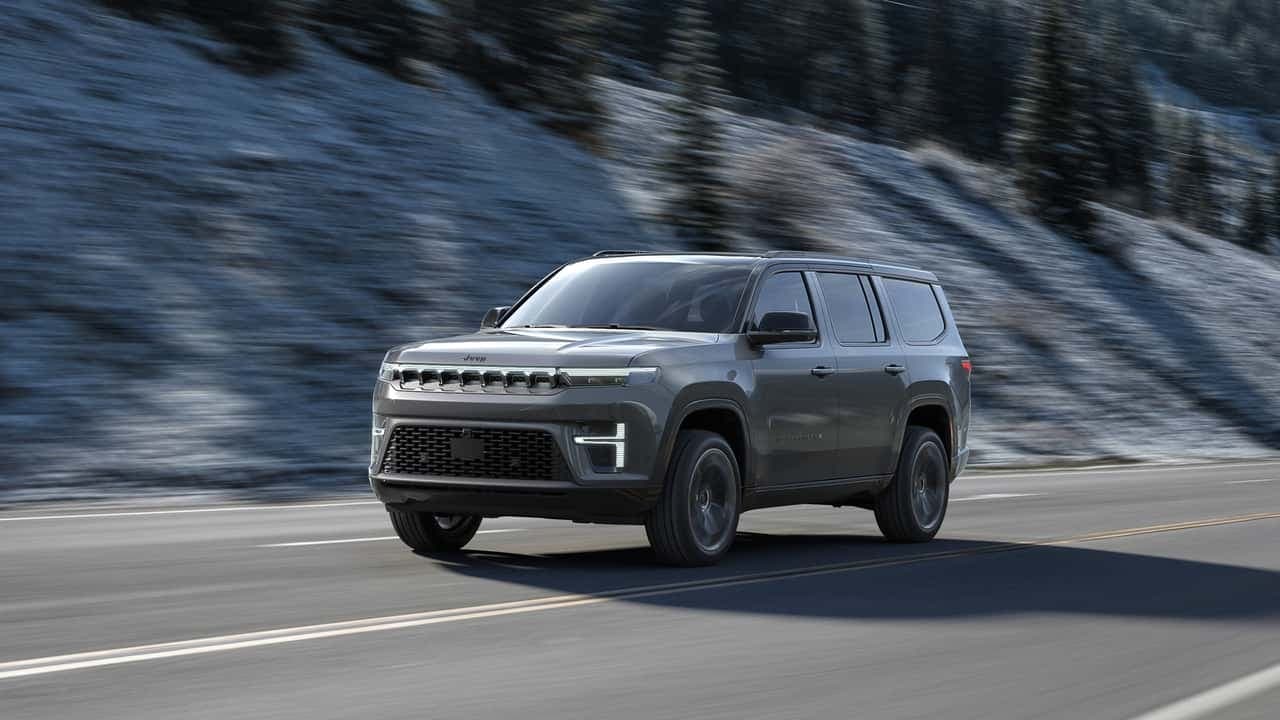
Stellantis is taking a cautious, calculated approach to its electrification strategy, opting for quality over speed. Recent reports indicate that the production timeline for the highly anticipated Jeep Wagoneer EREV has been pushed back by approximately six months, with manufacturing now slated to commence in November. This adjustment, while potentially frustrating for early adopters, is described by industry insiders as a necessary measure to ensure the complex new powertrain architecture functions flawlessly before it reaches the mass market.
The extended-range electric vehicle (EREV) platform is a strategic pivot for Stellantis, particularly as the automotive industry grapples with the transition from traditional internal combustion to battery-electric propulsion. By utilizing an onboard V6 generator to supply electricity to the drive motors, rather than relying solely on a large-capacity battery pack, the company aims to offer a compelling solution for drivers who suffer from range anxiety or have high-demand use cases like towing.
Understanding the EREV Powertrain Architecture
At the heart of the upcoming Jeep and Ram EREV models is a sophisticated 400-volt battery system coupled with electric motors for propulsion. Crucially, in this configuration, the internal combustion engine is not mechanically linked to the wheels. Instead, the V6 engine serves exclusively as an onboard power plant, acting as a generator to keep the battery charged while the vehicle is in operation. This design philosophy promises the responsive, high-torque driving dynamics of a pure EV with the refueling convenience and extended range of a traditional liquid-fuel vehicle.
This configuration is gaining significant traction globally, particularly in markets like China, where consumers are increasingly gravitating toward luxury SUVs that offer electrification without the limitations of sparse charging infrastructure. For North American consumers, who often require vehicles capable of heavy-duty tasks or long-distance travel, this hybrid-electric marriage provides a bridge that many feel is currently missing from the market.
Why It Matters: The Strategic Context
- Range Assurance: The EREV format directly addresses the primary barrier to EV adoption for many consumers—charging anxiety during long road trips or remote travel.
- Towing Capability: By maintaining a gas engine for power generation, these vehicles are uniquely positioned to handle heavy towing loads that can deplete pure EV batteries rapidly.
- Market Versatility: As competitors like Scout and Ford explore similar extended-range offerings, Stellantis is positioning its heavy-duty trucks and SUVs to remain relevant in a shifting regulatory and consumer landscape.
- Refinement Focus: The decision to delay production by half a year reflects a commitment to ironing out the software and mechanical integration of the new generator-based system, preventing the costly reputation damage of a flawed launch.
Outlook and Future Implications
While the Jeep Wagoneer EREV is now set for a November production kickoff, the Ram 1500 EREV—formerly the Ramcharger—is also seeing scheduling adjustments, with its arrival expected next year. Despite these shifts, Stellantis leadership maintains that their broad 2026 and 2027 rollout targets remain intact. The company is clearly betting that a polished product is more valuable in the long run than a rushed debut, especially when introducing a novel, complex powertrain that combines the best of both electrical and combustion worlds. As the industry watches closely, the success of these EREV models could fundamentally alter the trajectory of the American truck and SUV market, proving whether the generator-assisted electric vehicle is the true bridge to a fully electrified future.