The Shift Toward Heavy-Duty Electrification
For the past decade, India’s electric vehicle (EV) narrative has been defined by the success of two- and three-wheelers, alongside a growing passenger car segment. However, the heavy-duty sector—crucial for industrial logistics and mass transit—has remained largely untouched by the electric revolution. To bridge this gap, the Indian Ministry of Heavy Industries (MHI) is drafting an ambitious new program aimed at supporting the deployment of 100,000 heavy-duty electric vehicles over the next five years, split evenly between 50,000 buses and 50,000 trucks.
Dr. Hanif Qureshi, Additional Secretary at the MHI, unveiled the vision during the 2026 India Clean Transportation Summit. The government’s data reveals a stark reality: despite government-backed initiatives like FAME and PM E-Drive, electric truck adoption remains at just 0.02% of total EV sales. By implementing targeted financial support, the ministry hopes to transform these vehicles from niche experiments into economically viable assets for the private sector.
Addressing the Financing Gap
The primary barrier to heavy-duty EV adoption in India is not necessarily technology, but the perception of financial risk. Commercial banks and lending institutions have shown significant hesitancy toward financing electric trucks and buses, particularly for small-scale fleet operators who may only manage a few vehicles at a time. High interest rates have made the transition prohibitively expensive compared to their internal combustion engine counterparts.
To solve this, the proposed scheme introduces a dual-pronged financial intervention. First, the ministry is considering interest subvention programs to lower the cost of capital for buyers. Second, and perhaps most importantly, the government is exploring a partial credit guarantee model. Industry reports suggest this could cover up to 80% of outstanding loan amounts in the event of a default, effectively neutralizing the risk profile that currently keeps banks on the sidelines.
Infrastructure and Strategic Goals
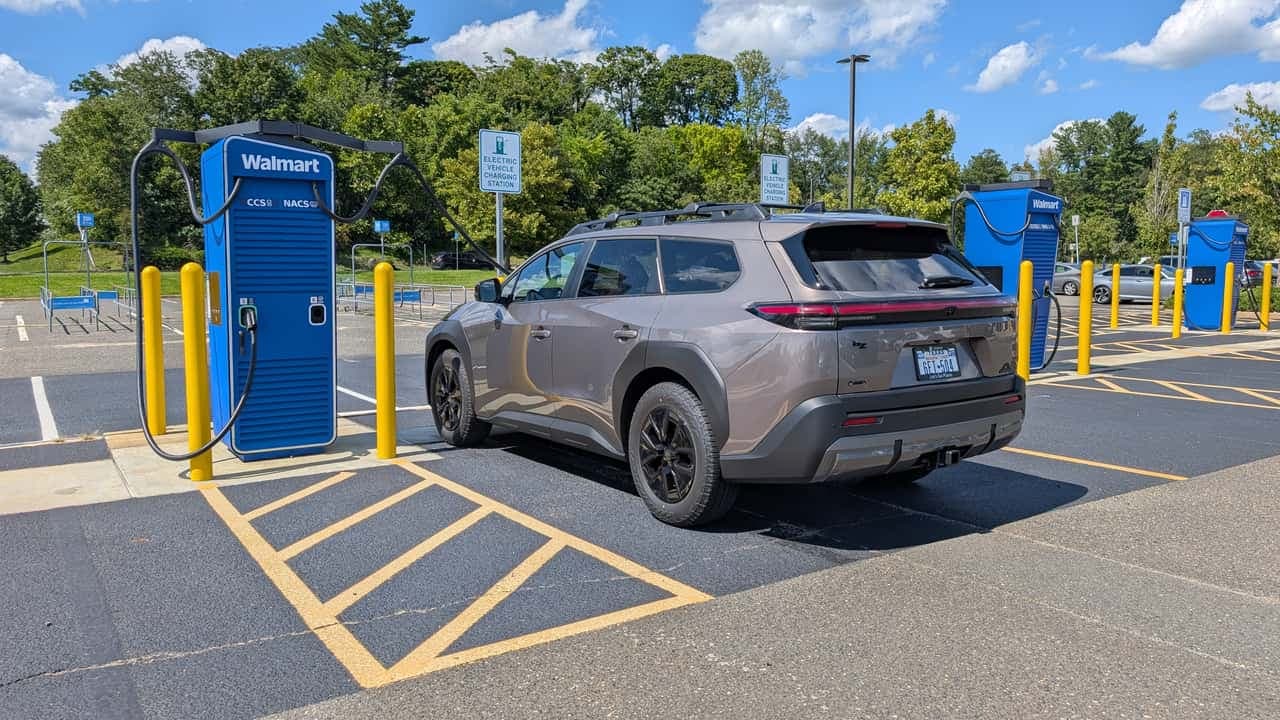
Recognizing that heavy-duty EVs require more than just a purchase subsidy, the MHI is also looking into interest subventions specifically for charging infrastructure. Unlike passenger vehicles, electric buses and trucks require high-power chargers and dedicated land for maneuvering and parking. By lowering the financial burden on the installation of these stations, the government aims to create a comprehensive ecosystem that supports long-term fleet operation.
This initiative is deeply rooted in national security and economic strategy. With India importing more than 85% of its crude oil, the government views the transition to electric heavy-duty vehicles as a vital step toward 'Atmanirbhar Bharat' (a self-reliant India). Reducing oil dependency not only mitigates the environmental impact of heavy transport but also insulates the nation against volatile global energy markets.
Why it Matters
- Strategic Energy Security: Electrifying heavy transport is a primary lever for reducing India's massive crude oil import bill.
- Risk Mitigation: By acting as a credit guarantor, the government is attempting to unlock private bank lending, which is currently the biggest bottleneck in the commercial EV space.
- Infrastructure Focus: The inclusion of charging station support acknowledges that fleet operators cannot scale without high-capacity, reliable power hubs.
- Market Correction: With a projected outlay of 98.52 billion rupees, the plan aims to jumpstart a market where current electric adoption remains at roughly 0.02% for trucks and 0.20% for buses.
As the ministry prepares for formal announcements, the industry is watching closely. While full electrification remains a distant goal, these targeted financial measures represent a concrete move toward normalizing electric transit for the nation's backbone of logistics and public movement.