A Unified Vision for the Rivian Fleet
In a significant move to ensure long-term ownership value, Rivian has officially rolled out its RivianOS 2 update to its entire R1 lineup. This major over-the-air (OTA) deployment brings the older R1S and R1T models up to speed with the software architecture debuted on the upcoming R2. By unifying the platform across all vehicles, Rivian is signaling a shift toward a consistent ecosystem where feature development and interface improvements are no longer siloed by vehicle generation.
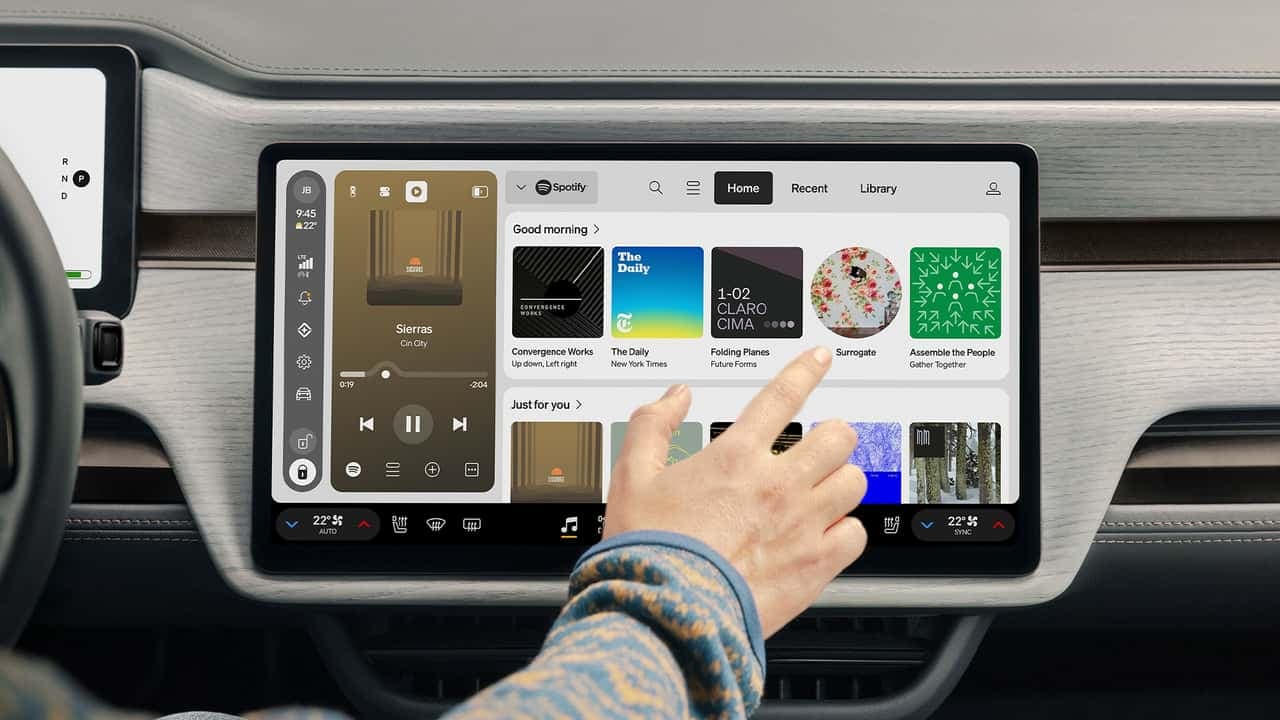
The update, identified as the 2026.31 release, constitutes one of the most substantial software facelifts in the company's history. It replaces the aging infotainment framework with a redesigned, AI-defined platform that emphasizes speed and ease of use. For owners who have held onto their early R1 models, this update serves as a powerful reminder that their vehicle hardware is not static, potentially extending the relevance and competitive edge of these machines in a rapidly evolving EV market.
Refined Interface and Visual Enhancements
At the core of the RivianOS 2 update is a comprehensive visual and functional overhaul. The user interface has been completely reworked to match the sleek, streamlined aesthetic found in the new R2. Among the most anticipated additions is a universal search field, a staple of modern touchscreen-centric vehicles that greatly simplifies navigation through settings and menus. The company has also introduced a dedicated weather application and enhanced integration with third-party tools, including Google Maps and Waze, to provide real-time alerts regarding speed cameras and police presence during commutes.
Visual fidelity has also received a significant boost, though the implementation varies based on the vehicle's internal hardware. Gen 2 R1 vehicles are leveraging Unreal Engine 5 to deliver high-resolution, sophisticated graphics for both the environment and vehicle rendering. Meanwhile, Gen 1 vehicles retain the Unreal Engine 4 framework; this strategic decision was made to ensure the system remains snappy and responsive, avoiding the potential lag that could arise from pushing older hardware beyond its compute limitations.
Why it Matters: The Long-Term Value of OTA
- Platform Parity: By moving the entire lineup to a single software stack, future enhancements will be pushed to R1 and R2 simultaneously, ensuring no single vehicle model falls behind.
- Seamless Integration: The update allows for advanced trip routing manipulation directly from the Rivian mobile app, creating a tighter connection between the owner's phone and their vehicle.
- User Experience focus: Rivian's pivot toward an 'AI-defined' cabin interface reflects a broader industry trend where the software suite is treated as a core performance metric equal to range or horsepower.
Strategic Outlook and Implications
This rollout highlights a crucial turning point for Rivian as it moves from being a hardware-focused startup to an integrated technology company. By maintaining a shared software branch, Rivian is minimizing the 'tech debt' typically associated with aging vehicle platforms. While the company acknowledges that software cannot replace hardware—such as adding sensors or improving raw processor speeds—it has managed to bridge the gap in capabilities to a remarkable degree.
Looking ahead, the commitment to a unified OS means that R1 owners can expect a steady cadence of improvements, feature drops, and UI optimizations previously reserved for the newest production lines. This strategy not only fosters brand loyalty but also sets a new benchmark for how legacy vehicle owners are treated in the age of software-defined transportation.