The Promise of Ubiquitous Charging
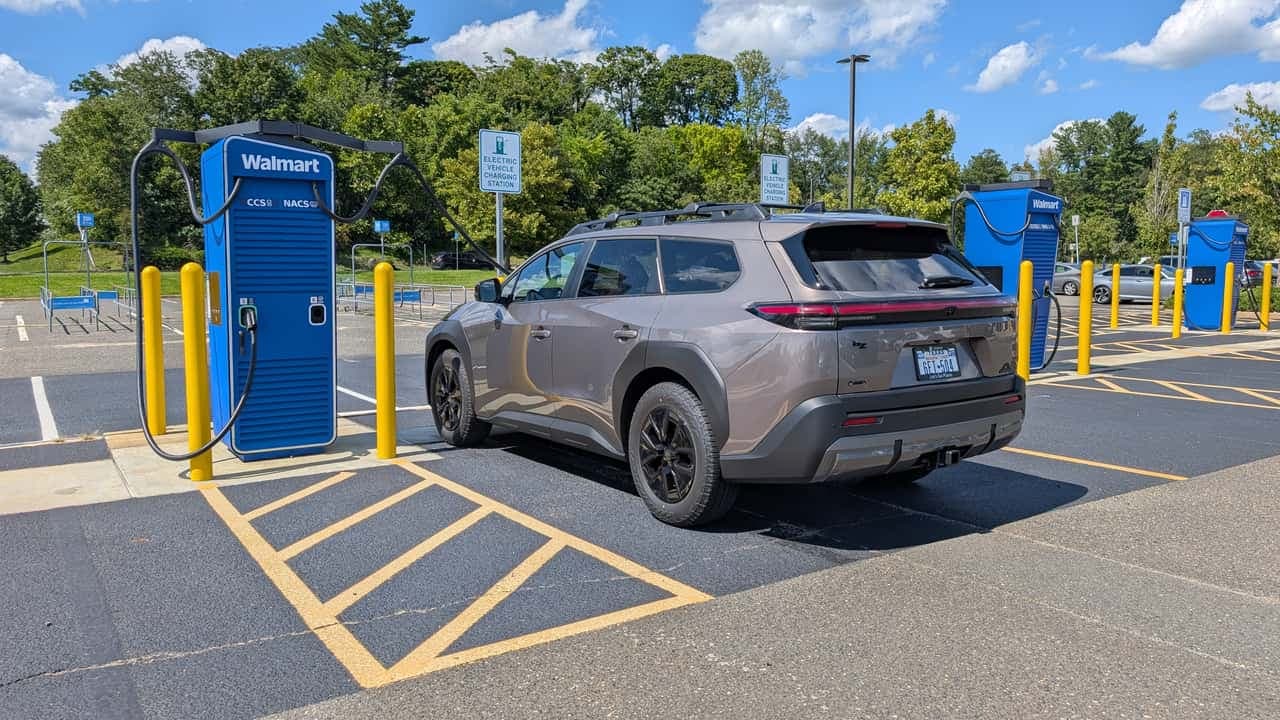
Walmart has emerged as a major player in the electric vehicle infrastructure landscape, leveraging its massive national footprint to install high-capacity fast-charging stations. With over 368 new ports added in the second quarter alone, the retail giant is second only to Tesla in terms of deployment speed. These stations, typically equipped with Alpitronic HYC400 hardware, boast 400-kilowatt capabilities and support both NACS and CCS connectors, positioning them as a potentially game-changing solution for EV adoption in regions where charging remains sparse.
However, recent field reports indicate that rapid deployment is currently outpacing software reliability. While the physical hardware is capable and modern, the user experience is frequently hampered by a rigid reliance on a proprietary smartphone app, which has proven prone to technical errors. For many users, the transition from arriving at a charger to successfully initiating a session is often interrupted by connectivity issues, QR code scanning failures, and cryptic 'something went wrong' error messages that leave drivers stranded.
The Friction of App-Only Infrastructure
The core issue appears to be an over-reliance on app-based authentication at the expense of established, reliable payment methods. Unlike more mature networks that allow for seamless plug-and-play or simple credit card tap-to-pay functionality, the current Walmart experience necessitates a multi-step digital handshake. When these digital protocols fail—often due to local network congestion or backend application glitches—there is currently no physical backup, such as a card reader, to bypass the software entirely.
This technical rigidity creates a significant barrier to entry for the average consumer. When a station fails to initiate, users are often forced to contact customer support, which rarely provides an immediate fix. In many cases, drivers are left to troubleshoot via app re-installations while exposed to the elements, ultimately defeating the purpose of a quick charging stop. As competition in the charging space heats up, this inconsistency stands in stark contrast to more streamlined networks that prioritize user-friendly, hardware-based payment options.
Why It Matters
- Hardware vs. Software: While Walmart has invested in high-quality 400kW Alpitronic units, the overall experience is being dragged down by unpolished software integration.
- Reliability Gaps: A charging network is only as good as its uptime. Frequent app glitches undermine the brand's potential to become a destination for EV owners.
- The Path Forward: Walmart has confirmed that swipe- and dip-to-pay terminals are in development. This hardware upgrade is essential to bringing the network up to industry standards for ease of use.
Outlook and Implications
The disparity between a functional, hardware-driven experience and a glitchy, app-dependent one is becoming increasingly apparent in the current market. Until Walmart retrofits its stations with physical card readers, the network faces a significant risk of alienating prospective EV drivers. While the company's commitment to scaling its infrastructure is commendable, the focus must shift from pure volume to operational reliability. Success in this sector requires that the user experience is as fast and efficient as the 400kW chargers themselves. If the goal is to make EVs accessible to the masses, the checkout process for electrons must be as simple as buying groceries.