The End of an Era for Lithium-Ion
China, the global epicenter of electric vehicle manufacturing, is officially beginning to dial back the robust tax incentives that helped catapult the nation to its current market dominance. As of September 2026, the era of blanket tax relief for lithium-ion battery production has come to a close. The government has implemented a new two percent consumption tax on these units, marking the end of a tax-exempt status that has been in place since 2015. This policy shift is not a sudden pivot, but rather a calculated transition designed to guide the domestic industry toward more advanced, emerging battery chemistries.
While the immediate financial impact on the average consumer remains modest—estimated at approximately $62 USD for a vehicle equipped with a 60-kWh battery—the long-term signal is clear. By September 2027, this tax will double to four percent. The goal is to move the market away from reliance on conventional lithium-ion cells and incentivize manufacturers to innovate within newer, more sustainable sectors of energy storage.
Prioritizing Next-Generation Tech
Interestingly, the government is not applying these taxes across the board. To ensure that the broader transition to electromobility doesn't stall, authorities have carved out significant exemptions for high-potential, alternative technologies. Sodium-ion batteries, solid-state batteries, and hydrogen fuel cell systems will remain exempt from the consumption tax until at least the end of 2028. This policy is a clear strategic play, effectively using the tax code to force a R&D shift toward storage solutions that address the scaling limitations of traditional lithium-based power packs.
Why it Matters
- Strategic Maturation: By taxing lithium-ion while exempting newer tech, Beijing is signaling that the lithium market is now mature enough to survive without state-sponsored financial crutches.
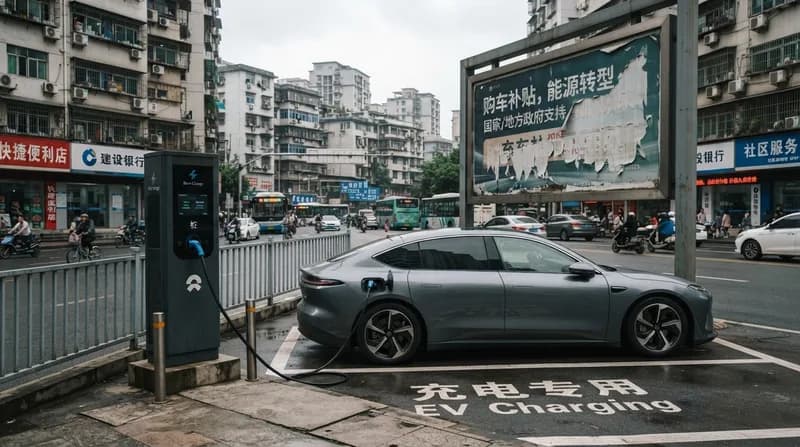
- Infrastructure Focus: The government is shifting capital from direct vehicle subsidies toward the backbone of the industry: charging stations and battery-swapping networks.
- Global Impact: Since these rules apply to all vehicles produced in China—including those from foreign manufacturers—it forces a global standard shift for companies utilizing Chinese supply chains.
A Broader Realignment of NEV Policy
Beyond the battery level, China is also tightening the rules for New Energy Vehicles (NEVs). As of the beginning of 2026, the total exemption for purchase taxes on plug-in hybrids and pure electric vehicles has been replaced by a partial 50 percent reduction. This cap, limited to 15,000 yuan per vehicle, creates a more controlled subsidy environment. Furthermore, the landscape for commercial vehicles is set to change significantly in 2027, when tax benefits for vessel and vehicle taxes are slated for total removal across several categories, including range-extender and plug-in commercial models.
This systemic withdrawal from direct consumer and production subsidies suggests a maturing market that is being encouraged to stand on its own feet. While these changes will likely force automakers to optimize their cost structures, the state remains committed to the underlying growth of the sector. By refocusing on infrastructure development and cutting-edge battery materials, China aims to maintain its technological lead, ensuring that its EV ecosystem remains competitive on the global stage despite the cooling of once-generous financial incentives.