ScienceTechnical Deep Dive

New Antiviral Discovery Targets Cellular Hijacking to Stop Enteroviruses

Published
EElectricBuzz Editorial Team
New Antiviral Discovery Targets Cellular Hijacking to Stop Enteroviruses
3 min read511 wordsElectricBuzz Editorial Team

The Gist

Researchers at the National University of Singapore have identified a compound that blocks viruses from exploiting host cell machinery, offering a potential breakthrough for treating EV-D68 and beyond.

A Shift in Antiviral Strategy

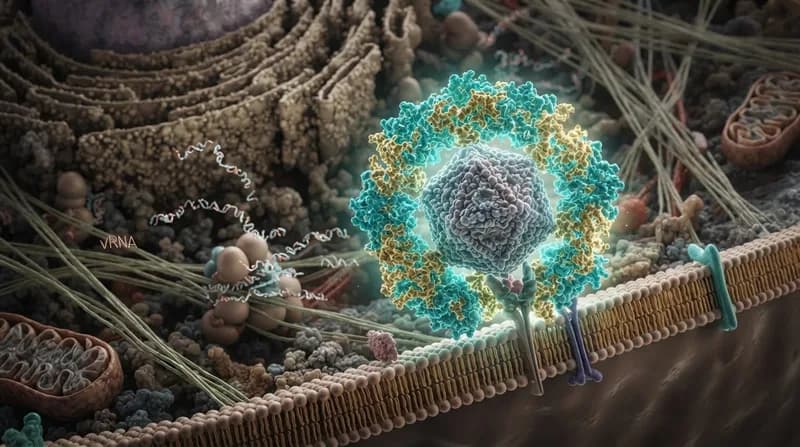
In a significant development for infectious disease research, a team from the Yong Loo Lin School of Medicine at the National University of Singapore (NUS Medicine) has discovered a compound, GW406108X, that shows remarkable potential in combating enteroviruses. Unlike traditional antivirals that attempt to neutralize viruses directly, this innovative candidate focuses on the host's cellular pathways. By preventing viruses from 'hijacking' the body’s own internal machinery to replicate, the researchers have created a blueprint for a more resilient and versatile class of treatments.

Enteroviruses, including Enterovirus D68 (EV-D68), are notoriously difficult to treat. While often causing mild symptoms like hand, foot, and mouth disease, they are also linked to severe respiratory distress and acute flaccid myelitis—a condition that can lead to permanent paralysis. Currently, there are no approved antivirals specifically targeted at EV-D68, making this discovery a vital step forward in addressing an unmet clinical need.

The Mechanism: Blocking Autophagy

The core of this breakthrough lies in how GW406108X interacts with human cells. Healthy cells utilize a process called autophagy—essentially a recycling system—to clear out damaged proteins and debris. Enteroviruses, however, have evolved to exploit this pathway, repurposing it to create ideal conditions for their own genetic replication and spread. The NUS Medicine team identified that GW406108X inhibits two specific proteins, ULK1 and ULK2, which are the gatekeepers that initiate the autophagy process.

By blocking these proteins, the compound essentially cuts off the virus’s supply chain. Without the ability to trigger the host's recycling machinery, the virus struggles to form the structures necessary to copy its genetic material or release new viral particles. This host-directed approach is inherently advantageous because it makes it significantly harder for rapidly mutating viruses to develop resistance, as the virus is being starved of its host-provided 'resources' rather than fighting a direct chemical assault.

Key Findings and Preclinical Success

  • Broad-Spectrum Potential: The compound demonstrated activity not only against EV-D68 but also Rhinovirus A16 and dengue virus serotype 2.
  • High Efficacy: Laboratory tests showed a 1,000-fold reduction in EV-D68 viral levels at tested concentrations.
  • Increased Survival: In preclinical efficacy studies, the treatment group saw a 100% survival rate, compared to an 83.3% mortality rate in the untreated control group.
  • Resilience: The virus remained susceptible to the compound even after 18 consecutive rounds of exposure in laboratory settings.

Path to Future Therapeutics

While the results are undeniably promising, the researchers maintain a cautious outlook. The study is currently at the preclinical stage, and significant work remains to optimize the compound’s pharmacological properties, safety profiles, and ideal dosage for human administration. The team is also eager to explore whether this strategy of targeting host-cell pathways could be applied to a wider spectrum of emerging infectious diseases.

By shifting the focus from the virus itself to the cellular environment, scientists may be able to develop broad-spectrum therapies that remain effective even as pathogens evolve. This study, published in Acta Pharmaceutica Sinica B, establishes a new framework for how we might defend against viral outbreaks by fortifying the host rather than just chasing the pathogen.


The 5 Best Over-Ear ANC Headphones of 2026, Tested & Ranked
Editor's Pick Guide
92/100
Tech & Gadgets12 min read

The 5 Best Over-Ear ANC Headphones of 2026, Tested & Ranked

We locked five over-ear ANC picks for 2026 — Sony WH-1000XM6, Bose QuietComfort Ultra 2, Soundcore Space One, Sennheiser Momentum 5, and Apple AirPods Max 2 — then stress-tested them on lab metrics, long-term owner truth, and live street prices.

Related Stories

Semantically matched articles, ranked by topic overlap and freshness.

NASA's Roman Space Telescope Set for Two Decades of Cosmic Discovery
Science

NASA's Roman Space Telescope Set for Two Decades of Cosmic Discovery

Thanks to exceptional launch precision and significant fuel savings, the Nancy Grace Roman Space Telescope is poised to more than double its mission life, potentially operating for over 22 years.

Unlocking Predictive Markers: How B Cells Could Forecast Immunotherapy-Induced Colitis
Science

Unlocking Predictive Markers: How B Cells Could Forecast Immunotherapy-Induced Colitis

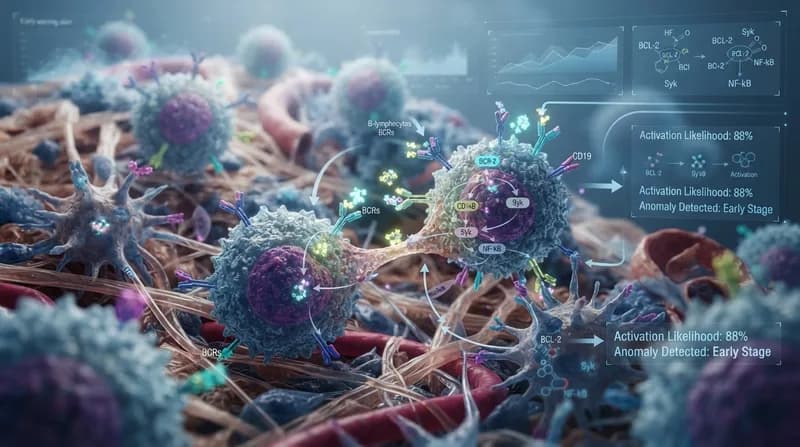
New research from MD Anderson Cancer Center suggests that B cell activity acts as a crucial early-warning system for identifying patients at risk of developing severe colitis during cancer treatment.

Could a Tiny Brain Protein Be the Master Switch for Aging?
Science

Could a Tiny Brain Protein Be the Master Switch for Aging?

Researchers have identified that declining levels of a brain protein called Menin may drive systemic aging, offering a potential new target for age-related health interventions.

Challenging Einstein: Scientists Pioneer Gravity Tests Using Exotic Muonium Atoms
Science

Challenging Einstein: Scientists Pioneer Gravity Tests Using Exotic Muonium Atoms

Researchers at ETH Zurich have developed a method to create controlled beams of muonium, potentially enabling the first-ever gravitational tests on second-generation particles.

Unlocking the Narrative: AI System Transforms Physician Notes into Actionable Medical Data
Science

Unlocking the Narrative: AI System Transforms Physician Notes into Actionable Medical Data

A groundbreaking study reveals how a new AI system can parse clinical prose at scale, converting hidden patient insights into verifiable, computer-readable data.

Caltech’s Femtosecond Breakthrough: Steering Light with Light
Science

Caltech’s Femtosecond Breakthrough: Steering Light with Light

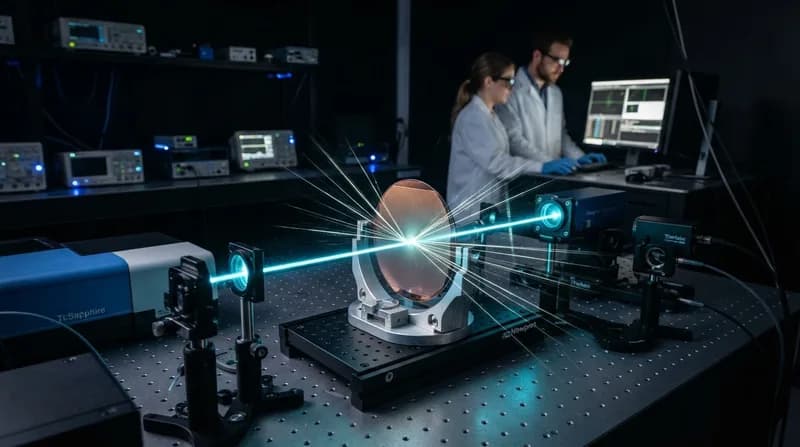
Researchers have engineered a nanoscale silicon metasurface capable of redirecting light beams in just 74 quadrillionths of a second, shattering traditional speed barriers in photonic computing.

Beyond the Starch: Why Black and Green Rice Are Emerging as Metabolic Superfoods
Science

Beyond the Starch: Why Black and Green Rice Are Emerging as Metabolic Superfoods

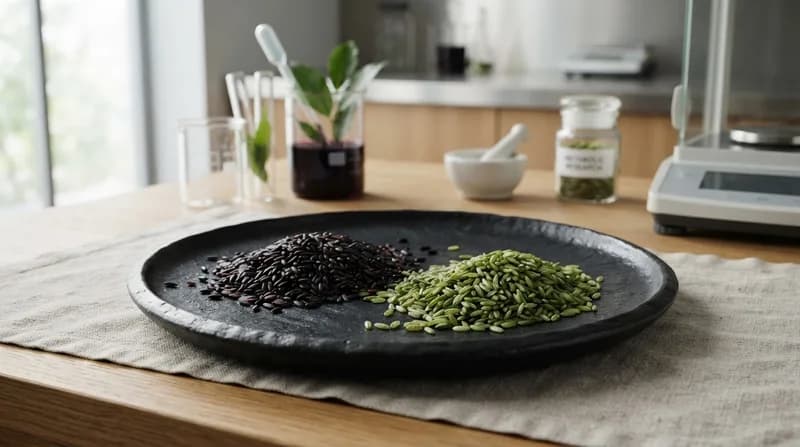
New research from Hokkaido University reveals that pigmented rice varieties contain unique, beneficial fats that could revolutionize dietary approaches to blood sugar management.

Biological Breakthrough: Scientists 3D-Print a Functional Human Gut-on-a-Chip
Science

Biological Breakthrough: Scientists 3D-Print a Functional Human Gut-on-a-Chip

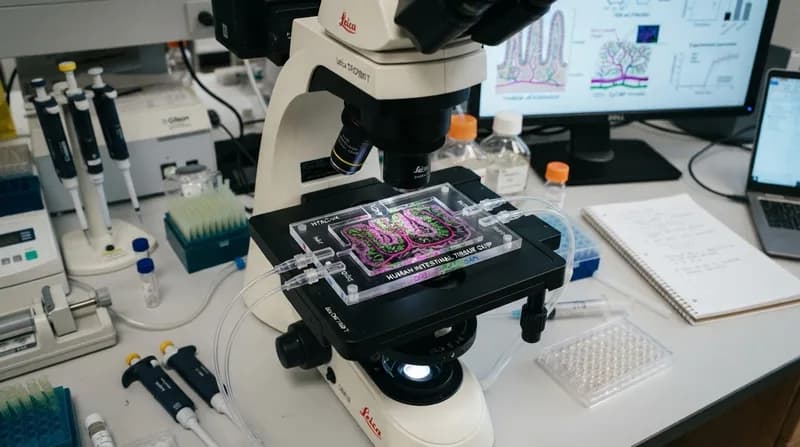
Researchers at Lawrence Livermore National Laboratory have successfully replicated the complex 3D architecture of the human small intestine on a compact, microfluidic device.