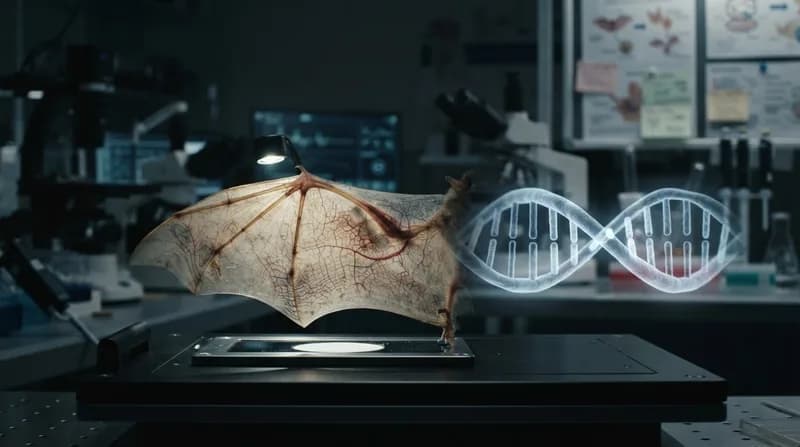
Decoding the Genetic Blueprint of Longevity
For decades, scientists have looked toward the animal kingdom to understand why some species thrive for remarkably long periods relative to their size. Recent research published in Nature by a team at UC Berkeley has zeroed in on an unlikely candidate: the bat. By analyzing the genomes of eight species within the Myotis genus—some of which can live for over 50 years—researchers have uncovered a profound connection between immune function and extreme longevity.
The study, led by researcher Juan Manuel Vazquez, reveals that these long-lived mammals have evolved an immune system that remains highly effective throughout their lifespan. Unlike many other mammals, bats appear to possess a specialized genetic profile that excels at fighting off both infectious diseases and cancerous mutations simultaneously. This suggests that the biological processes governing aging and immune decline may be more deeply intertwined than previously thought.
The "Self-Destruct" Strategy for Cellular Integrity
One of the most striking findings from the laboratory analysis involves how bat cells respond to severe stress. When researchers exposed cultured cells from the long-lived little brown bat (Myotis lucifugus) to toxic chemicals, the results defied expectations. Rather than attempting to repair damaged DNA—a process that can be resource-heavy and prone to errors—the cells prioritized rapid self-destruction.
This "apoptosis" strategy acts as a fail-safe mechanism, ensuring that damaged cells are eliminated before they can mutate into tumors or cause systemic dysfunction. This biological reaction is strikingly similar to the mechanisms seen in elephants, another long-lived, cancer-resistant species. By effectively sacrificing individual damaged cells to protect the "ship" as a whole, these bats maintain a level of health that remains robust well into their golden years.
Why This Research Matters
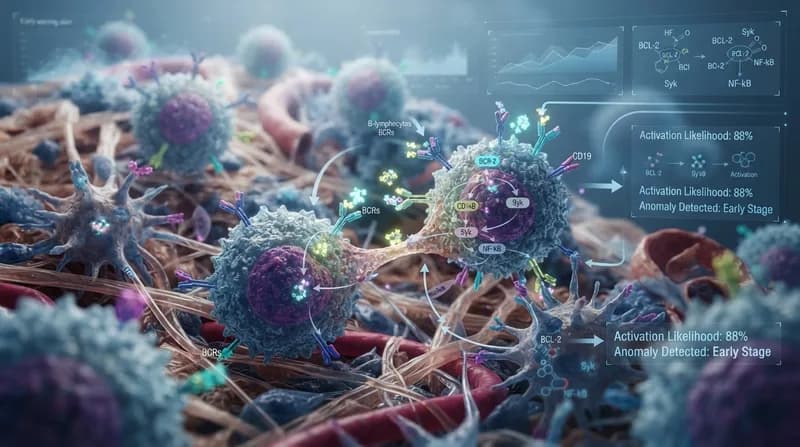
The implications for human health are significant. Current medical science often treats age-related diseases and infectious diseases as entirely separate challenges. However, the genetic analysis of Myotis bats suggests that a single, optimized immune strategy could address both. If we can identify the specific genes that allow bats to maintain high-functioning immunity without the typical decline associated with aging, we may unlock new pathways for preventative medicine.
- Unified Immune Defense: Longevity in bats is tied to genes that prevent both infection and tumor formation.
- DNA Repair vs. Removal: Long-lived bats prefer cell death over error-prone repair, a unique adaptation to prevent cellular dysfunction.
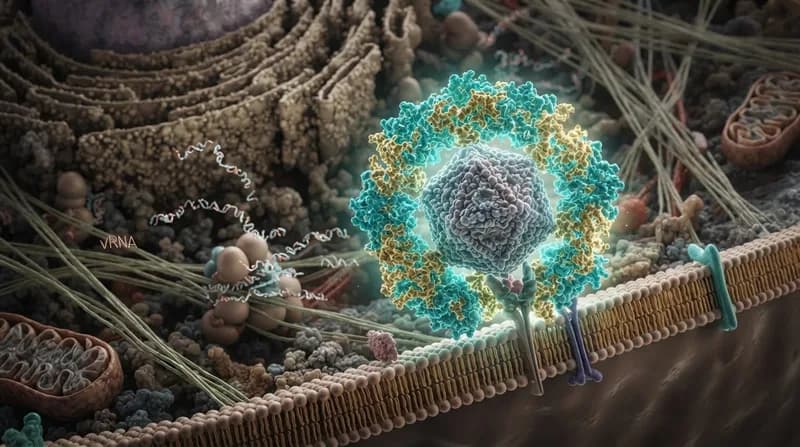
- Evolutionary Mismatch: Humans and bats are genetically ill-suited to each other’s viruses, which explains the high risk of zoonotic disease transmission.
Looking ahead, the research team aims to bridge the gap between bat biology and human therapeutics. By understanding how these animals manage the trade-off between attacking viral genomes and protecting their own DNA, scientists hope to develop novel interventions that keep the human immune system alert and efficient without inducing the chronic inflammation often associated with natural aging.