A New Frontier in Restorative Sleep
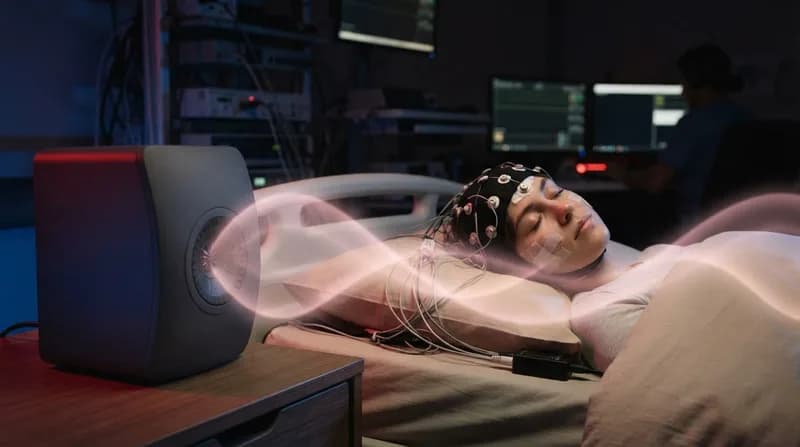
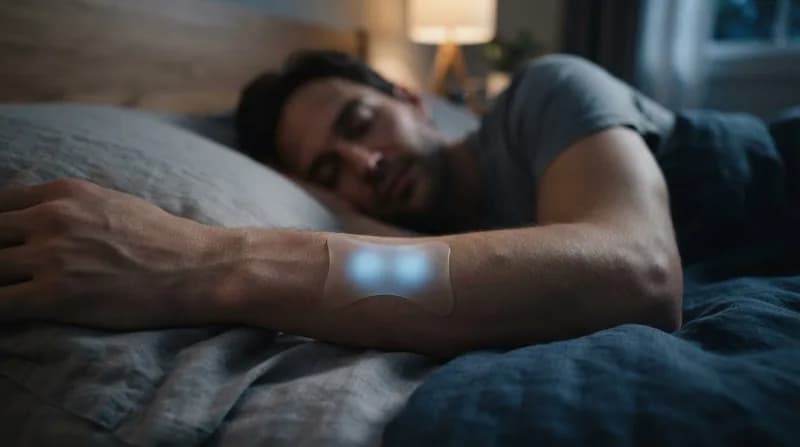
Getting a full, restorative night of sleep remains a elusive goal for millions, but a new wearable innovation from the University of Texas at Austin is poised to change the narrative. Known as the NEUSLeeP patch, this bioelectronic device offers a non-invasive, drug-free method to enhance REM (rapid eye movement) sleep by leveraging the power of ultrasound waves to stimulate deep-seated brain regions.
Unlike traditional sleep aids that rely on pharmaceuticals—which often come with a laundry list of side effects—the NEUSLeeP patch operates through gentle, focused ultrasound energy. This sound-based approach allows the device to target the neurological pathways involved in sleep regulation without the need for surgery or systemic medication. By combining ultrasound stimulation with integrated electrodes for real-time monitoring, the device acts as a closed-loop system that can observe brain responses and adjust accordingly.
Measurable Clinical Results
The impact of this technology on sleep quality is both quantifiable and promising. In a recent study published in Nature Communications involving 28 participants, the research team found that users of the patch entered the critical REM sleep stage an average of 43 minutes faster than they did without it. Furthermore, these individuals maintained their REM state for an additional 16 minutes on average. These gains were consistent across both healthy volunteers and those who reported existing sleep difficulties.
Beyond the simple duration of sleep, the researchers observed significant secondary benefits. Participants showed improved heart rate variability—a key indicator of how effectively the nervous system manages stress. Furthermore, neural imaging confirmed that the stimulation had a positive influence on brain circuits responsible for emotional processing. This suggests that the NEUSLeeP patch could eventually serve as a tool for more than just physical rest; it could be a vital asset for emotional regulation and psychological resilience.
Why it Matters
- Non-Invasive Stimulation: Reaches deep brain regions typically inaccessible without surgery.
- Drug-Free: Eliminates systemic side effects common with sleep-inducing medications.
- Emotional Health: Preliminary data suggests a link between enhanced REM sleep and improved stress adaptation.
- Real-Time Monitoring: The patch simultaneously records electrophysiological data, allowing for highly personalized therapy.
The Road to Home-Based Care
The implications of this breakthrough for conditions such as chronic insomnia, anxiety, and PTSD are profound. Current clinical approaches are often limited by the constraints of behavioral therapy or the long-term dependency risks associated with prescription sedatives. A device that can be worn comfortably at home, capable of optimizing the brain’s natural sleep architecture, represents a massive leap forward in personalized medicine.
While the team plans to move into larger clinical trials to further validate these results and investigate long-term efficacy, the momentum is clear. The researchers have already engaged with the university’s commercialization unit, Discovery to Impact, and filed patent applications to begin the process of bringing this technology to market. As the science of sleep continues to evolve, the NEUSLeeP patch stands as a pioneering example of how wearable hardware can provide medical-grade solutions for our most fundamental biological needs.