A Surprising Efficiency Gain for Tesla's Entry-Level SUV
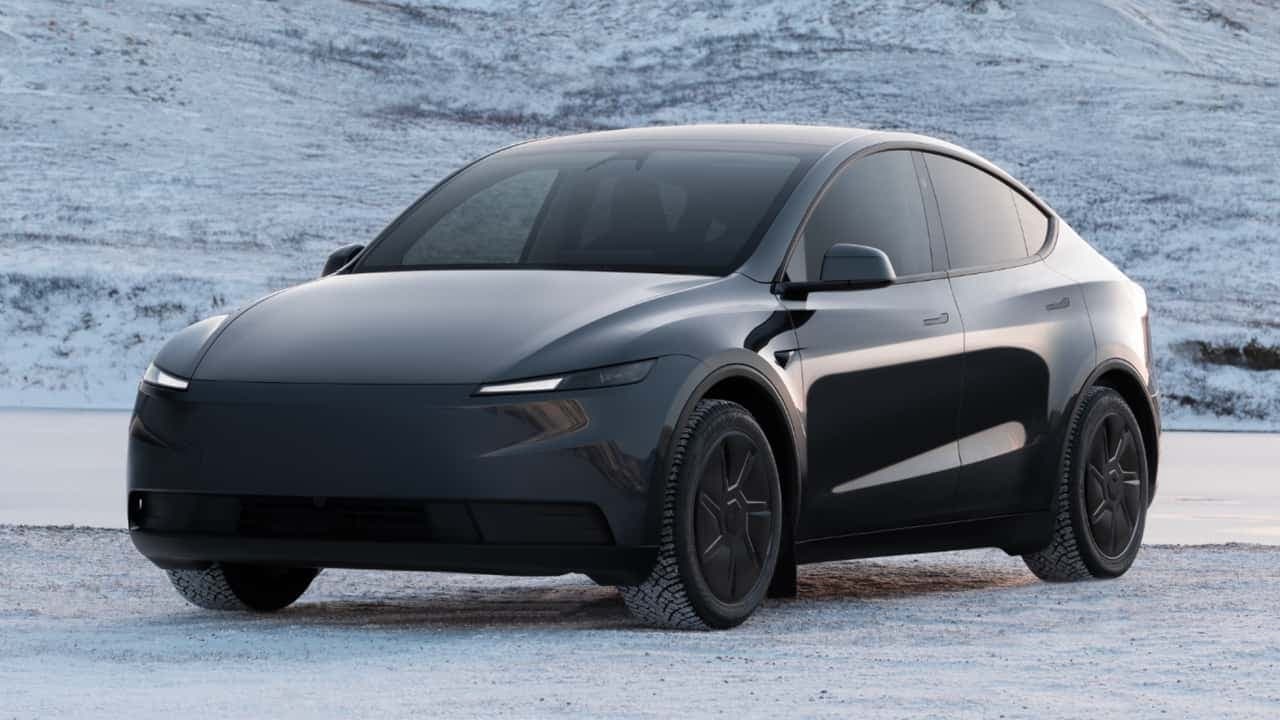
In a move that has caught the attention of EV enthusiasts and prospective buyers alike, Tesla has quietly rolled out a substantial range upgrade for its entry-level Model Y Rear-Wheel Drive variant. The company has officially updated its configurator to reflect a new estimated range of 348 miles on a full charge for the 2027 model, representing a notable 27-mile improvement over the previous 321-mile rating. Perhaps most surprising is that this efficiency boost comes without any adjustment to the vehicle's starting price of $41,630.
This update is particularly impressive given the lack of specific details regarding the technical modifications behind the range hike. While Tesla has not explicitly detailed whether the change stems from a more efficient battery chemistry, software-based power management optimizations, or aerodynamic refinements, the results are undeniable. Even with the optional 19-inch wheels, which traditionally impose a drag on efficiency, the base model now boasts a 335-mile range—a 10% increase over the previous configuration with the same wheel setup.
Understanding the Context: Model Y Positioning
This strategic range increase effectively repositions the entry-level Model Y as a more compelling value proposition within the current lineup. By achieving a 348-mile rating, the base model is now only seven miles shy of the premium trim, which carries a $6,000 price premium. For many consumers, this narrows the gap significantly, especially considering the base trim already includes a expansive glass roof and a clean, minimalist cabin aesthetic.
- New Base Range: 348 miles (with 18-inch wheels).
- Range with 19-inch wheels: 335 miles.
- Base MSRP: $41,630.
- Positioning: Now within 7 miles of the Premium trim range.
Strategic Shifts in the Tesla Ecosystem
This range update arrives during a period of rapid portfolio adjustment for Tesla. The company has recently streamlined its U.S. offerings by removing the cheaper all-wheel-drive version of the Model Y and signaling the eventual retirement of the Model S and Model X platforms. As Tesla reorients its focus toward future-facing projects like the Cybercab, the Optimus humanoid robot, and the upcoming Roadster, it is clear that the company is placing a premium on optimizing the efficiency of its volume-selling products.
While the EPA has not yet formally updated its testing records for this specific 2027 configuration, the manufacturer's internal data reflects a confident stance on the efficiency of its current powertrain. As the automotive market continues to prioritize range-per-dollar, this silent upgrade provides a clear incentive for those waiting for the right moment to enter the electric vehicle market, proving that Tesla remains committed to evolving its existing hardware even as it builds out its autonomous and robotics-focused future.