The Molecular Mystery of HIT
In a significant breakthrough for transfusion medicine, a cross-disciplinary team at McMaster University has successfully decoded the biological mechanism behind Heparin-Induced Thrombocytopenia (HIT). This rare but life-threatening immune response occurs in some patients treated with heparin, a widely used blood thinner. When triggered, the condition causes the body to produce harmful antibodies that lead to severe, potentially fatal blood clots, increasing the risk of strokes, heart attacks, and limb loss. The findings, published in Nature Communications, bridge the gap between atomic-level protein dynamics and clinical medical practice.
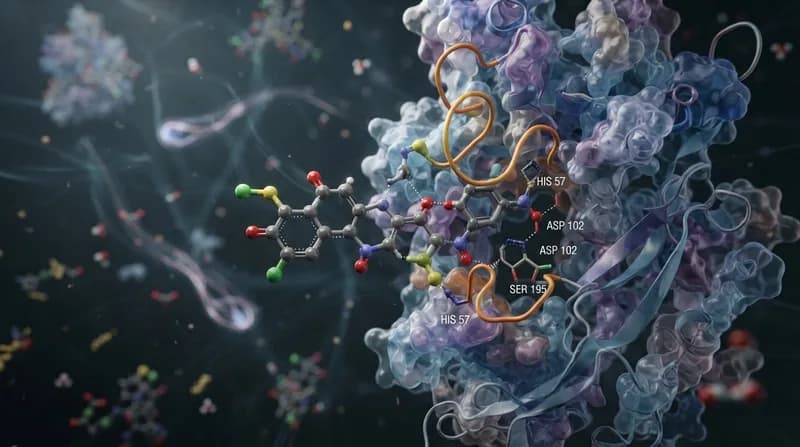
At the center of this discovery is Platelet Factor 4 (PF4), a protein naturally produced by the human body that serves a normal, healthy function in blood clotting. The research team sought to understand why, in certain individuals, this benign protein suddenly transforms into a target for the immune system. By utilizing advanced nuclear magnetic resonance (NMR) spectroscopy, the team pinpointed a specific, previously unknown 'molecular switch' within the PF4 protein structure. This switch dictates the physical shape of the protein—either a closed, harmless conformation or an 'open' state that invites attack from rogue antibodies.
Understanding the Structural Switch
The research, led by Giuseppe Melacini and Ishac Nazy, revealed that when PF4 interacts with heparin, the protein undergoes a structural shift. This shift exposes regions of the molecule that the immune system perceives as foreign, prompting the generation of antibodies that trigger the HIT reaction. Through their biophysical analysis, the team successfully demonstrated that by altering or stabilizing this molecular switch, they could force PF4 to remain in its 'closed' form. This modification effectively prevents the protein from becoming an antigen, thereby neutralizing its ability to provoke the immune response responsible for dangerous clotting.
The collaboration highlights the efficacy of integrating distinct scientific fields. While Melacini’s team provided the structural biology and spectroscopic expertise to map the protein's movement, the clinical and translational researchers brought essential knowledge of platelet biology and immune-mediated clotting disorders. This dual approach allowed the team not only to observe the structural change but also to explain its real-world pathological consequences, turning an abstract atomic observation into a tangible medical target.
Why It Matters
- Early Detection: The identification of the PF4 switch provides a foundation for more precise diagnostic tests, allowing clinicians to screen patients for susceptibility to HIT before complications arise.
- Preventative Potential: By targeting the 'switch' mechanism, future therapies could potentially stabilize PF4 in vivo, preventing the immune reaction without requiring the cessation of necessary anticoagulant treatment.
- Broad Scientific Roadmap: The methodology used—combining high-resolution NMR spectroscopy with clinical data—serves as a template for investigating other diseases driven by subtle, functionally critical protein dynamics.
Looking ahead, the researchers believe this work will move beyond the immediate context of heparin treatment. The ability to visualize and manipulate such precise protein dynamics offers a roadmap for studying a variety of other complex disorders that stem from subtle protein misfolding or conformational changes. As diagnostic tools become more sophisticated, this molecular blueprint will be instrumental in improving patient safety for those who rely on anticoagulants, moving medicine closer to a more personalized approach to blood health and clot prevention.