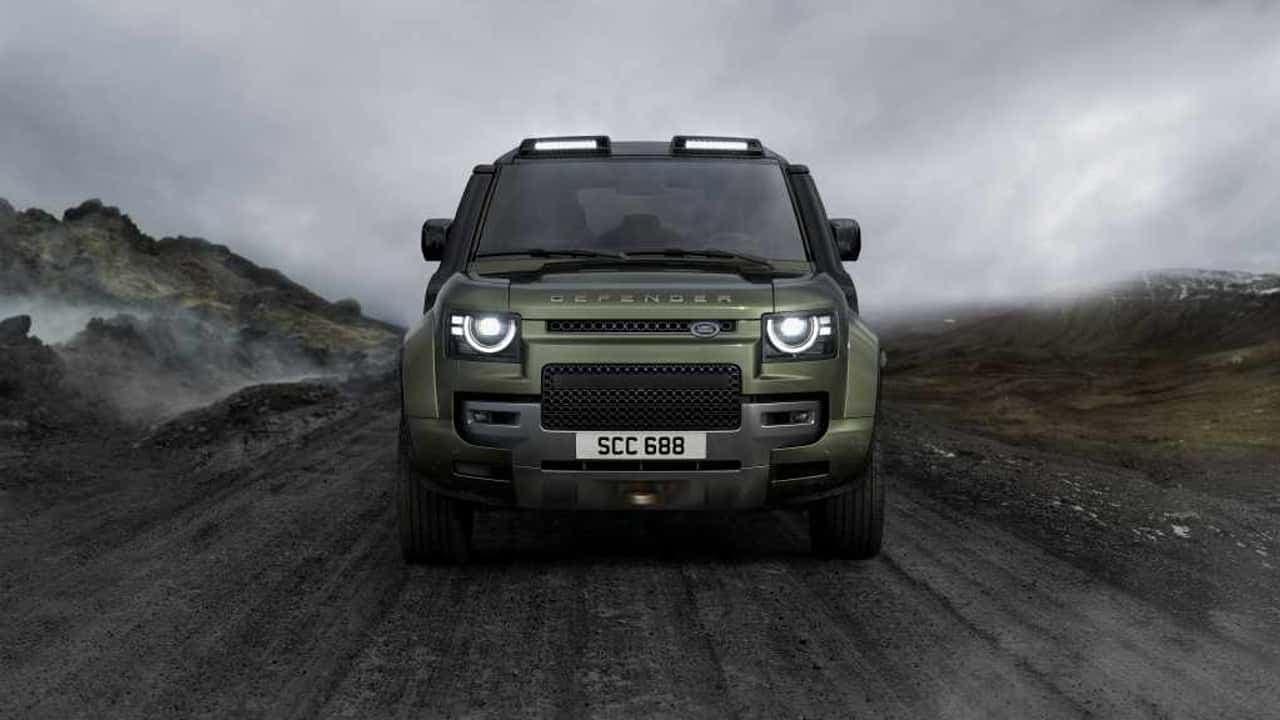
Jaguar Land Rover (JLR) has announced a significant delay in the launch of its highly anticipated electric Land Rover Defender, now scheduled for the early 2030s. The decision comes as the company grapples with unpredictable demand for electric vehicles (EVs) in crucial markets such as the United States and China.
The electric Defender will leverage JLR’s new Electrified Modular Architecture (EMA), developed in collaboration with Stellantis. This platform aims to enhance vehicle performance through improved packaging and advanced 800-volt electrical architecture. The partnership with Stellantis is particularly strategic, allowing JLR to mitigate tariffs of up to 15% on vehicles imported from the European Union and 10% on those from the UK.
Key Points
- The electric Defender's launch has been postponed by two years, now targeting the early 2030s.
- Current Defender sales represent 81% of JLR's global sales but dropped by 9.2% in Q1 of fiscal year 2027.
- EMA aims to improve software updates and overall efficiency in the Defender's performance.
- The partnership with Stellantis is intended to lower potential tariff costs for vehicles sold in key markets.
- In addition to the Defender, JLR is also working on electric versions of the Range Rover and Range Rover Sport, both facing delays.
This delay highlights JLR's ongoing struggles in adapting to the fast-changing EV landscape. With rising competition and shifting consumer preferences, the automotive giant is keen to ensure its new models align with market expectations. As JLR prepares to navigate these challenges, the delay could impact its market position in the increasingly crowded EV sector.