Scaling the Electric Freight Revolution
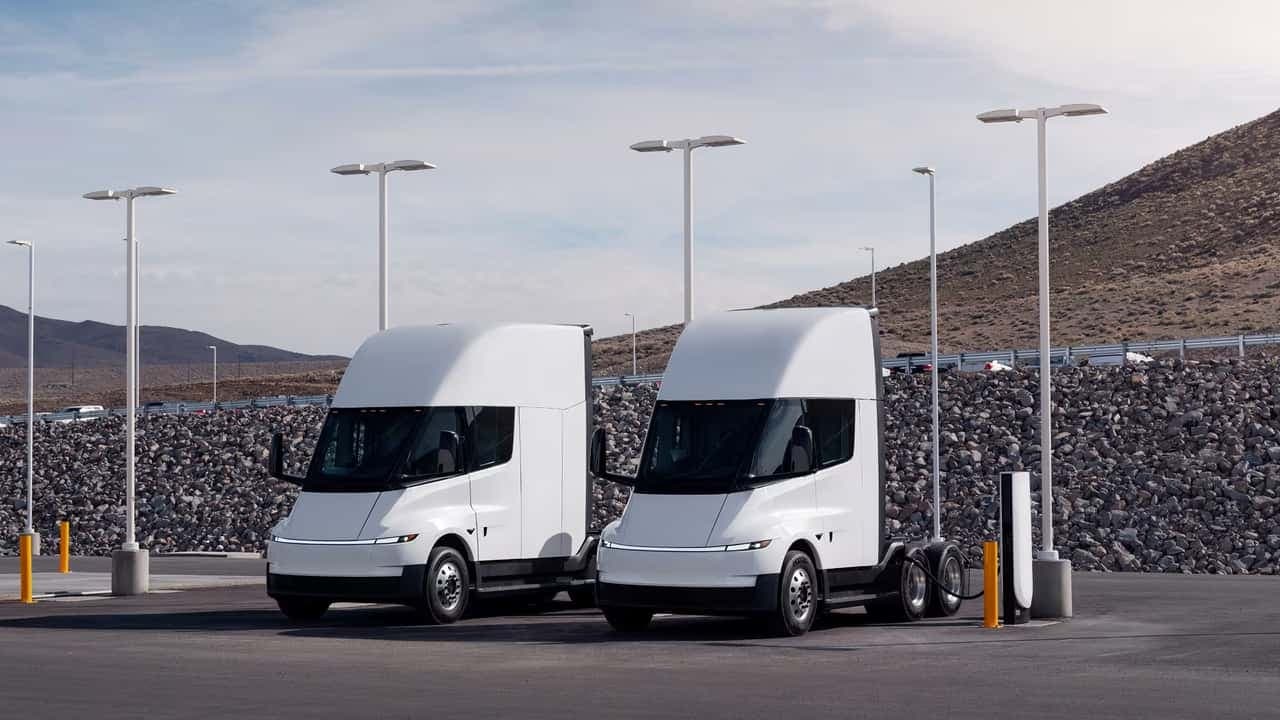
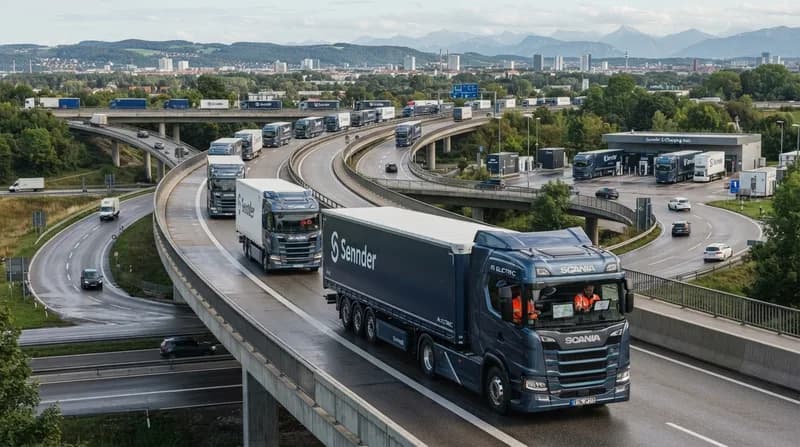
The transition to sustainable logistics has reached a significant inflection point as Juna, the joint venture between heavy-vehicle giant Scania and digital freight leader Sennder, announces that its fleet of electric trucks has surpassed the 100-vehicle threshold. Currently operating 110 units across Germany, Italy, Poland, and the Netherlands, the company has successfully integrated heavy-duty electromobility into a variety of complex supply chain environments, from cross-border haulage to intensive regional shuttle services.
Since the initiative’s inception in 2023, the Juna fleet has clocked approximately 3.9 million kilometers. This real-world performance data is critical for logistics providers hesitant to commit to the high upfront capital expenditure required for modern electric trucks, which can cost two to three times as much as their diesel-powered counterparts. By the close of 2026, the company expects to expand its footprint further, targeting a total fleet size of roughly 150 vehicles to meet growing demand from major players like DHL, Nestlé, and Beiersdorf.
The Pay-Per-Use Logistics Model
At the heart of Juna's strategy is a unique financial architecture that removes the primary barrier to adoption: capital risk. Because most European transport companies operate with small fleets—often fewer than ten vehicles—the ability to scale without taking on significant debt is a game-changer. Juna offers a pay-per-use model that effectively offloads the asset management burden from the carrier to the joint venture. This allows smaller firms to participate in the electrification trend that would otherwise be financially inaccessible.
Beyond financing, Juna provides a comprehensive operational layer. The company performs route-suitability analysis in close collaboration with shippers and freight forwarders, ensuring that each vehicle is deployed where it can maximize range and charging efficiency. A prime example of this success is the partnership with DHL Freight and the logistics provider Pflaum. Through the DHL Partner Store Programme, Pflaum recently secured access to 20 Scania electric trucks on a five-year contract. This arrangement allows the firm to bolster its own electric fleet significantly without the immediate strain of purchasing new hardware, setting a blueprint for how mid-sized logistics companies can achieve rapid fleet decarbonization.
Why It Matters
- Financial Accessibility: By shifting from capital expenditure (CapEx) to operational expenditure (OpEx), Juna enables small-to-medium enterprises to modernize their fleets without needing massive credit lines.
- Strategic Synergy: The partnership leverages Scania’s engineering and maintenance capabilities alongside Sennder’s advanced data-driven logistics software, ensuring that the vehicles are both reliable and efficiently utilized.
- Market De-risking: As these 150 trucks navigate Europe’s diverse transit corridors, the data collected provides industry-wide proof that electric freight is a viable, high-performance alternative to traditional diesel engines.