A New Era of Convenience
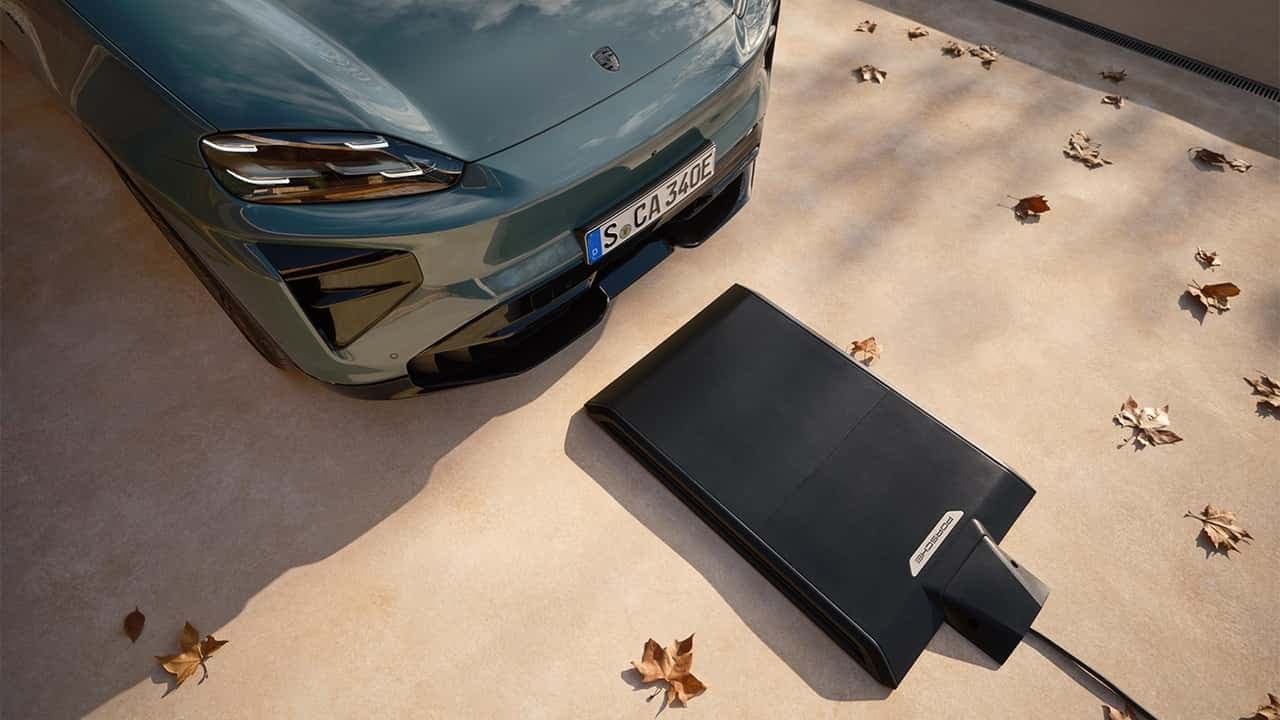
The transition to electric mobility has always been tethered to the physical chore of cable management. While plugging in a vehicle is a familiar routine for many, Porsche is looking to eliminate that step entirely. The automaker has officially launched its wireless charging pad for the Cayenne Electric in Germany and select European markets, marking a significant milestone as the first passenger vehicle in these regions to offer an induction-based power delivery system.
By removing the need for a physical connection, Porsche is betting on the idea that the ultimate luxury in EV ownership is seamless, invisible energy replenishment. This system promises to turn the often-mundane task of topping up a battery into an automatic process that happens the moment the vehicle is parked in a designated spot.
Technical Precision and Efficiency
Wireless charging for mobile devices is often criticized for its inefficiency and heat production, but Porsche has engineered its automotive solution to overcome these common pitfalls. While standard smartphone chargers typically hover in the 70% to 80% efficiency range, Porsche states its wireless system boasts an impressive 90% efficiency. This high-efficiency rating is achieved through a more robust receiver-and-transmitter design combined with advanced thermal management, which effectively mitigates the energy loss typically found in induction systems.
In terms of performance, the charger delivers 11 kW of power, which is more than sufficient to fully recharge the Cayenne’s substantial 113.0-kWh battery pack overnight. For daily drivers, this means waking up to a full charge without ever having to touch a greasy or weather-exposed charging cable.
Safety and Infrastructure Requirements
The installation of this technology is a deliberate, permanent commitment. The system requires a specialized, weather-resistant ground pad that must be fixed firmly in place at the charging location. While this means the vehicle owner needs dedicated, private parking space, Porsche has built in several intelligent safety features to ensure the system is reliable and worry-free. The pad is designed to detect the presence of nearby living creatures and will automatically deactivate if a pet or person approaches the immediate area. Furthermore, it includes object-detection technology that senses metallic debris, shutting down the power transmission if anything potentially hazardous is detected in the induction path.
Why It Matters
- Reduced Friction: Eliminating cables provides a premium, "set it and forget it" user experience that could lower the barrier to entry for luxury EV buyers.
- Efficiency Breakthrough: The 90% efficiency rate proves that wireless induction for vehicles is a viable alternative to plug-in stations.
- Global Rollout: While starting in Europe, the technology is set for a broader global expansion, with an anticipated North American launch slated for 2027.
As the industry watches Porsche, the potential for this technology to proliferate into other premium models is high. While the cost—reportedly reaching up to $8,000 in some estimations—currently limits the system to a niche audience, it represents a pivotal step in the evolution of automotive charging infrastructure.