ScienceTechnical Deep Dive

Impact of Excess Weight on Cancer Risk Twice as High as Previously Estimated

Published
EElectricBuzz Editorial Team
Impact of Excess Weight on Cancer Risk Twice as High as Previously Estimated
1 min read159 wordsElectricBuzz Editorial Team

The Gist

“New research from the German Cancer Research Center suggests that over 10% of all cancer cases are linked to being overweight, doubling previous statistical assumptions.”

A recent study conducted by the German Cancer Research Center (DKFZ) indicates that the contribution of obesity and excess body weight to cancer rates has been significantly underestimated. While previous metrics suggested a lower correlation, this new analysis reveals that more than 10% of all cancer cases can be attributed to increased body weight.

Refining the Data

The researchers reached this conclusion by utilizing more accurate measures of body fat and accounting for various methodological biases present in earlier studies. These refined calculations suggest that the actual impact of weight on cancer development is nearly twice as high as previous estimates indicated.

Implications for Public Health

The findings underscore the critical role of metabolic health in oncology. By addressing body weight as a major risk factor, health organizations may be able to implement more effective preventative strategies. The DKFZ study highlights that the burden of weight-related cancer is a growing concern that requires more urgent clinical and social attention.


SPONSORED
The 5 Best Over-Ear ANC Headphones of 2026, Tested & Ranked
Editor's Pick Guide
92/100
Tech & Gadgets•12 min read

The 5 Best Over-Ear ANC Headphones of 2026, Tested & Ranked

We locked five over-ear ANC picks for 2026 — Sony WH-1000XM6, Bose QuietComfort Ultra 2, Soundcore Space One, Sennheiser Momentum 5, and Apple AirPods Max 2 — then stress-tested them on lab metrics, long-term owner truth, and live street prices.

Related Stories

Semantically matched articles, ranked by topic overlap and freshness.

Natural Synergy: Omega-3 and Aspirin Show Promise as Antibiotic Alternative for Gum Disease
Science

Natural Synergy: Omega-3 and Aspirin Show Promise as Antibiotic Alternative for Gum Disease

A year-long clinical trial reveals that a simple daily regimen of omega-3 and low-dose aspirin can match the efficacy of antibiotics in treating severe periodontitis.

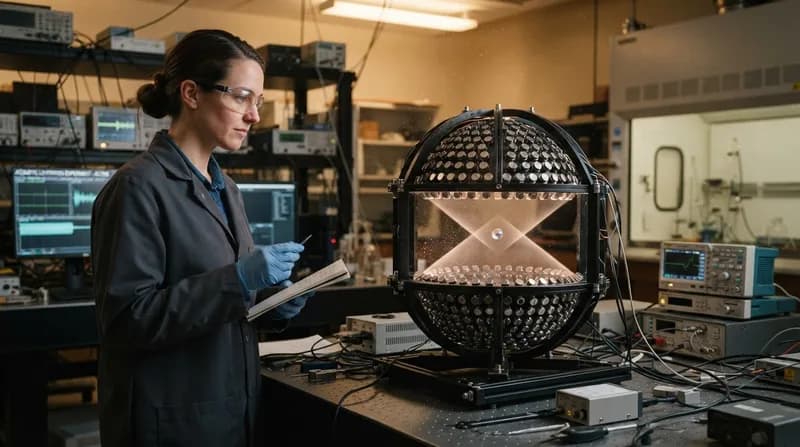
Scientists Engineer 'Invisible Pipes' Using Acoustic Levitation
Science

Scientists Engineer 'Invisible Pipes' Using Acoustic Levitation

Researchers have developed a groundbreaking method to transport liquids and gases through mid-air using programmable ultrasonic sound waves, effectively creating an invisible conduit.

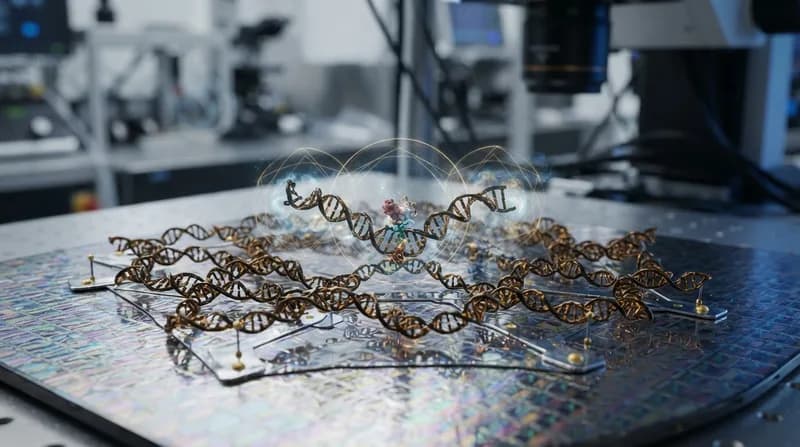
Quantum Precision: DNA Nanotechnology Opens New Frontiers in Bioimaging
Science

Quantum Precision: DNA Nanotechnology Opens New Frontiers in Bioimaging

Researchers at the Technical University of Munich have pioneered a DNA-based quantum sensor that uses spin chemistry to detect and potentially control biological processes at the molecular level.

Stanford AI Breakthrough Uncovers Three Hidden Biological 'Biotypes' for ADHD and Anxiety
Science

Stanford AI Breakthrough Uncovers Three Hidden Biological 'Biotypes' for ADHD and Anxiety

Researchers have utilized deep learning to identify three distinct brain connectivity patterns that redefine how we understand and diagnose childhood ADHD and anxiety.

Robotic Knee Surgery Trial Reveals Precision Doesn't Equal Faster Recovery
Science

Robotic Knee Surgery Trial Reveals Precision Doesn't Equal Faster Recovery

A landmark clinical study has found that while robot-assisted knee surgery offers superior technical precision, it fails to improve patient recovery outcomes compared to traditional methods.

Deep-Sea Discovery: Mysterious Brine Pools Found Beneath the Red Sea
Science

Deep-Sea Discovery: Mysterious Brine Pools Found Beneath the Red Sea

Researchers have uncovered rare, oxygen-free underwater lakes over a mile beneath the Red Sea, offering new insights into the limits of life on Earth and the search for extraterrestrial organisms.

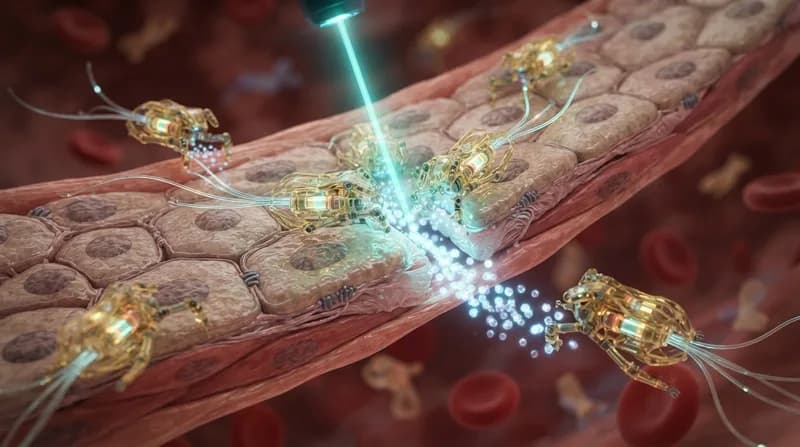
BrainBots: Caltech’s Light-Activated Nanorobots Breach the Blood-Brain Barrier
Science

BrainBots: Caltech’s Light-Activated Nanorobots Breach the Blood-Brain Barrier

Researchers have engineered tiny, light-propelled nanobots capable of ferrying chemotherapy drugs directly across the body's most stubborn biological shield.

Euclid’s Cosmic Pivot: Dark Matter Telescope Spots Mysterious New Comet
Science

Euclid’s Cosmic Pivot: Dark Matter Telescope Spots Mysterious New Comet

Designed to map the dark universe, the European Space Agency’s Euclid telescope has defied its programming by identifying an icy wanderer from the outer solar system.