Addressing the Safety Concern
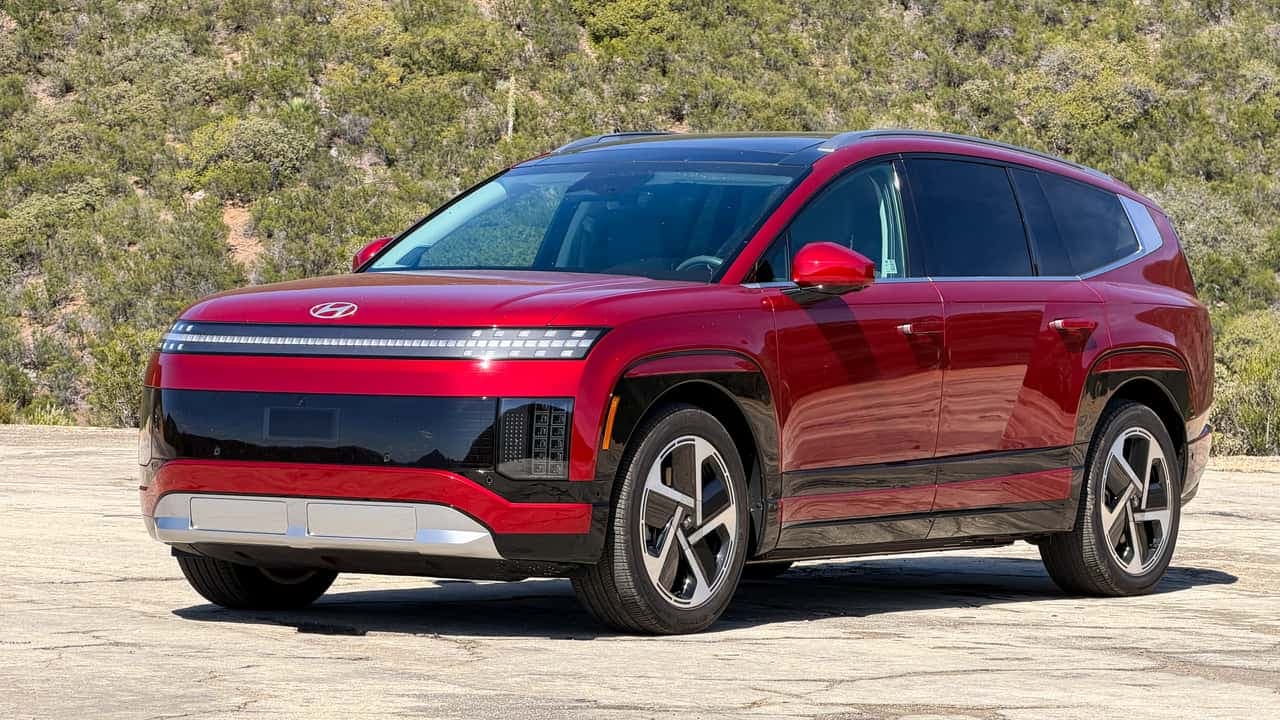
Hyundai has officially initiated a safety recall for the 2026 model year Ioniq 9 electric SUV in the United States. The recall, which impacts 5,360 vehicles, stems from a technical flaw in the second-row power-folding seat mechanism. Investigations revealed that the system may fail to accurately detect the presence of an occupant, potentially leading to a situation where a child could become trapped during the folding process. This development is particularly significant for the Ioniq 9, a vehicle otherwise lauded for its family-centric design and utility.
The company confirmed that five consumer complaints were filed with the National Highway Traffic Safety Administration (NHTSA) regarding this issue. Notably, two of these reports included claims of minor injuries. To prevent further incidents, Hyundai is advising owners of the affected Limited, Calligraphy, and Calligraphy Design trims to exercise extreme caution when utilizing the power-folding seat functions until the necessary corrective measures are implemented.
The Software-Based Solution
Unlike mechanical recalls that require intensive hardware overhauls or dealership-only interventions, Hyundai’s fix for the Ioniq 9 is streamlined and modern. The automaker has developed a revised logic for the vehicle's Seat Controller software. This update improves the sensitivity of the anti-pinch sensors, ensuring the system can reliably detect passengers and prevent the seats from moving when a child or object is present.
Distribution of this fix is being handled through two channels to ensure maximum coverage. For owners who subscribe to the Hyundai Bluelink service, the update will be deployed automatically via an over-the-air (OTA) wireless transmission directly to the car’s computer. For those who do not use or have access to OTA updates, Hyundai dealerships are prepared to perform the inspection and software installation free of charge. This approach highlights the growing importance of software-defined vehicle architectures, where critical safety enhancements can be delivered without requiring a physical visit to a service center.
Why it Matters
- Occupant Safety: The recalibration of anti-pinch logic is a standard but vital safety evolution for automated comfort features in luxury and family vehicles.
- Fleet Management: With 5,360 units affected, this represents the largest recall to date for the Ioniq 9, though previous recalls have involved significantly smaller vehicle populations.
- Connectivity Efficiency: The use of OTA updates underscores a shift away from traditional, cumbersome recall logistics, allowing manufacturers to mitigate risks faster and more efficiently.
While the Ioniq 9 has maintained a relatively clean reliability record compared to industry competitors, this incident serves as a reminder of the complexities involved in integrating sophisticated electronic comfort features into modern EVs. By proactively addressing the flaw with a software-centric strategy, Hyundai aims to maintain consumer trust and uphold the safety standards expected of its flagship electric family hauler.