A Regional Infrastructure Expansion
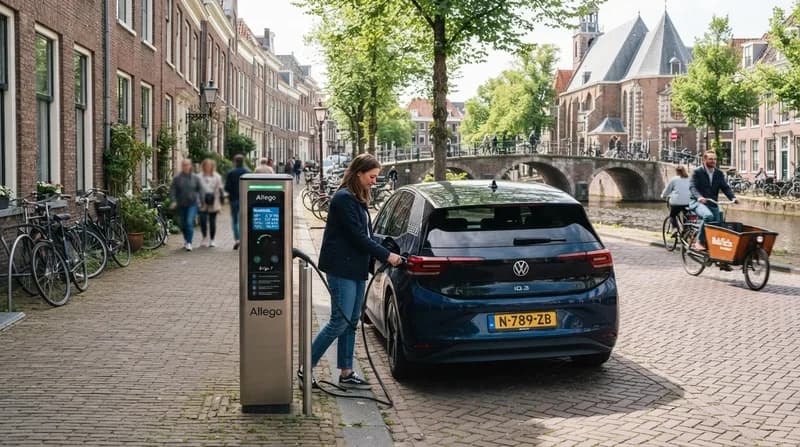
The provinces of South Holland and Zeeland have taken a significant step toward normalizing electric vehicle adoption by awarding a massive new regional concession for public charging infrastructure. The contract covers 43 municipalities and has been divided between two major industry players: TotalEnergies Public Charging and Velian. While major urban hubs like Rotterdam and The Hague maintain their own independent tender processes, this regional agreement serves as a backbone for charging accessibility across the wider Dutch landscape.
TotalEnergies has confirmed that its portion of the contract accounts for approximately 60 percent of the total tendered infrastructure. This mandate includes not only the installation of thousands of new units to meet surging demand but also the critical modernization of roughly 1,860 existing charging stations currently in operation. Velian—formerly known as Equans Infra & Mobility and now backed by Aberdeen Investments and DigitalBridge—will manage the remaining 40 percent, ensuring a unified standard for charging accessibility throughout the designated territories.
Transparency and User-Friendly Tech
One of the most user-centric aspects of this rollout is the mandatory inclusion of digital displays on every new charging station. For years, EV drivers have grappled with the "blind charging" issue, where costs remain unclear until a session ends or a mobile app is checked. These new displays will clearly communicate real-time pricing before, during, and after the charging cycle. This transparency is designed to build consumer trust and remove the hesitation often associated with public charging costs.
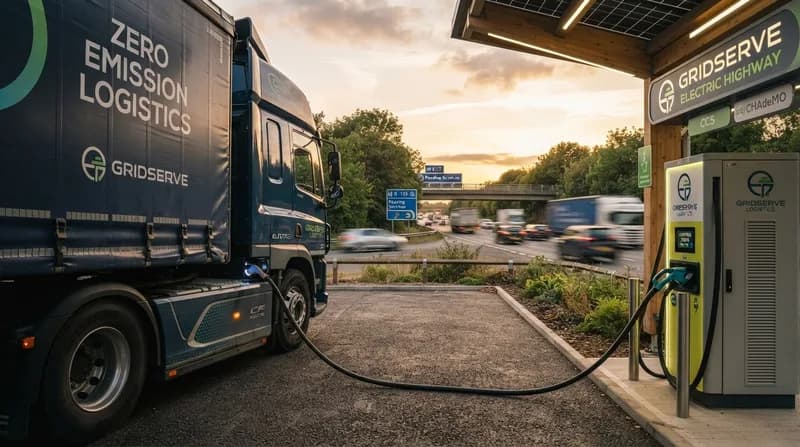
Furthermore, the initiative aims to simplify the payment process by moving away from exclusive reliance on proprietary charging cards. Both TotalEnergies and Velian are implementing ad-hoc payment systems that allow users to pay directly via contactless credit cards or smartphone wallets. By removing the need for QR codes or specific network subscriptions, the provinces hope to make the charging experience as seamless as a traditional fueling stop for residents, local businesses, and visitors alike.
Smart Charging and Grid Optimization
Beyond hardware installation, this concession introduces a sophisticated smart charging architecture designed to balance the load on the Dutch electrical grid. The system will utilize dynamic pricing and load-shedding capabilities to ensure grid stability. During periods of peak energy demand, the charging units will automatically throttle their output, reducing the load on the local grid infrastructure.
Why it Matters
- Grid Stability: Dynamic capacity management prevents local electrical congestion.
- Economic Incentives: Dynamic pricing rewards users who charge when electricity is abundant and cheaper.
- Universal Access: Replacing restrictive cards with direct contactless payments increases ease of use for international travelers and casual drivers.
This initiative represents a shift from simply adding more hardware to creating an intelligent, responsive, and transparent ecosystem. By aligning the growth of the EV fleet with the technological capabilities of a smart grid, the provinces of South Holland and Zeeland are establishing a model that other European regions may soon look to replicate as they navigate the energy transition.