Electric VehiclesTechnical Deep Dive

CATL Targets U.S. Pickup Market With New Bespoke Battery Architecture

Published
EElectricBuzz Editorial Team
CATL Targets U.S. Pickup Market With New Bespoke Battery Architecture
3 min read502 wordsElectricBuzz Editorial Team

The Gist

Global battery leader CATL has unveiled specialized, high-capacity battery cells tailored for the unique physical constraints of American electric pickups, signaling a push for local manufacturing.

Engineered for the American Pickup

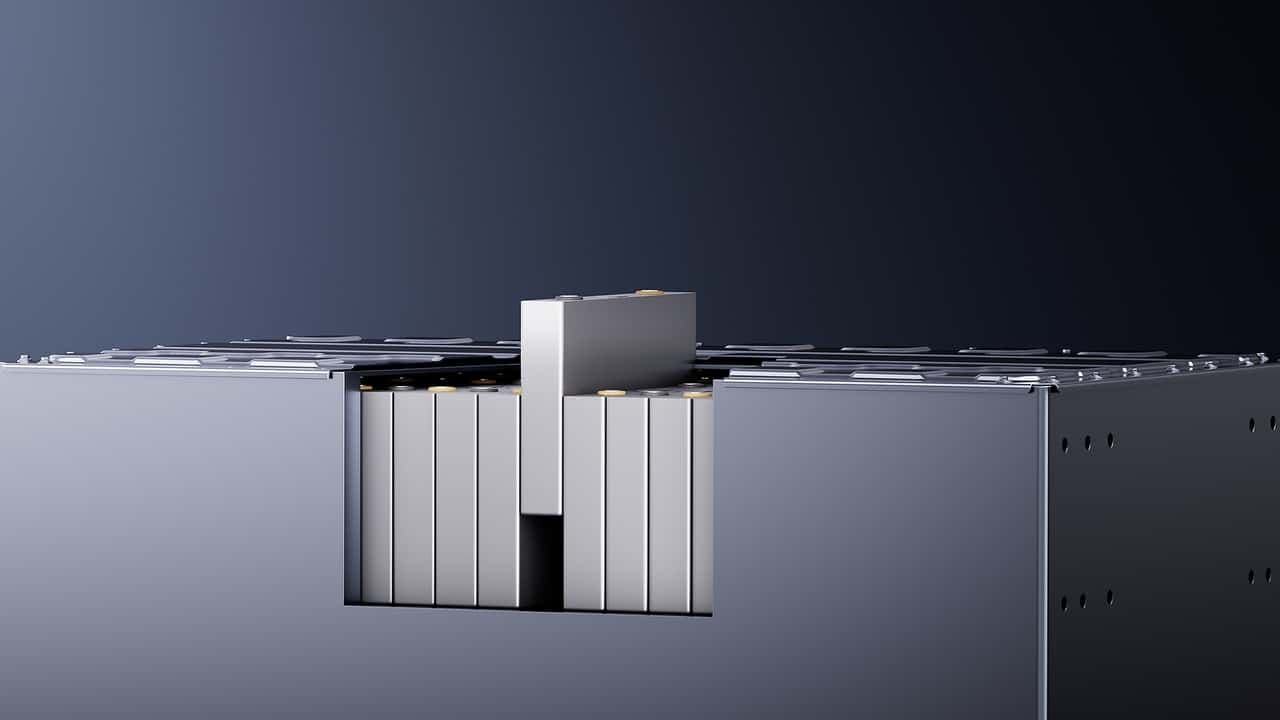
CATL, the world’s leading battery manufacturer, is making a strategic pivot toward the North American electric vehicle market by unveiling a new, specialized battery architecture specifically designed for the form factor of American pickups. According to Zhu Lingbo, chief technology officer of CATL’s international division, the company has developed a unique "tall" cell design that maximizes energy density within the space-constrained chassis of a full-size truck. By moving away from standardized battery modules, CATL aims to provide the towing capability and payload capacity that domestic truck buyers demand.

While specific technical details remain under wraps, the industry consensus is that these cells are likely optimized for high-discharge scenarios, such as heavy hauling and trailering. The development suggests that CATL is looking to solve the range anxiety and power-draw issues that have historically plagued electric trucks when under load, positioning itself as a critical supplier for U.S. automakers looking to electrify their most profitable vehicle segments.

The Licensing Path to U.S. Production

Given the current geopolitical climate and stringent trade policies, importing finished batteries from China is not a viable strategy for CATL. Instead, the company is doubling down on a licensing-first business model. By allowing American automakers to manufacture these batteries domestically under license, CATL hopes to bypass tariffs and satisfy local sourcing requirements. This approach has already seen a successful, if controversial, precedent in the industry, most notably with Ford’s upcoming Michigan-based plant which utilizes CATL technology to produce lithium-iron-phosphate (LFP) cells.

This licensing strategy represents a "win-win" for automakers struggling to balance profitability with the high cost of battery research and development. By importing the intellectual property rather than the physical hardware, U.S. companies can rapidly scale their EV production while creating domestic manufacturing jobs. However, the path forward remains fraught with political hurdles, as Washington continues to scrutinize the involvement of Chinese tech firms in critical U.S. supply chains.

Why it Matters

  • Supply Chain Sovereignty: Licensing allows U.S. companies to maintain control over production while accessing world-class R&D, potentially accelerating the transition to electric work trucks.
  • Market Alignment: The shift toward a "tall" battery architecture demonstrates that the global battery leader is tailoring its product roadmap to match the unique aesthetic and utility requirements of the American consumer.
  • Navigating Geopolitics: As trade tensions persist, CATL’s strategy could set a precedent for how Chinese hardware companies maintain a foothold in the Western market by embedding themselves into the domestic manufacturing ecosystem.

Outlook and Implications

The success of this initiative will ultimately depend on whether U.S. policymakers accept these localized manufacturing agreements or continue to press for total independence from Chinese technology. With high-level trade discussions pending between the U.S. and Chinese governments, the regulatory environment for battery tech licensing remains fluid. If CATL successfully integrates its new pickup-focused cells into the next generation of American trucks, it will solidify the company’s influence over the future of the North American EV fleet, proving that even amidst extreme trade friction, technological superiority remains a powerful bargaining chip.

The 5 Best Over-Ear ANC Headphones of 2026, Tested & Ranked
Editor's Pick Guide
92/100
Tech & Gadgets12 min read

The 5 Best Over-Ear ANC Headphones of 2026, Tested & Ranked

We locked five over-ear ANC picks for 2026 — Sony WH-1000XM6, Bose QuietComfort Ultra 2, Soundcore Space One, Sennheiser Momentum 5, and Apple AirPods Max 2 — then stress-tested them on lab metrics, long-term owner truth, and live street prices.

Related Stories

Semantically matched articles, ranked by topic overlap and freshness.

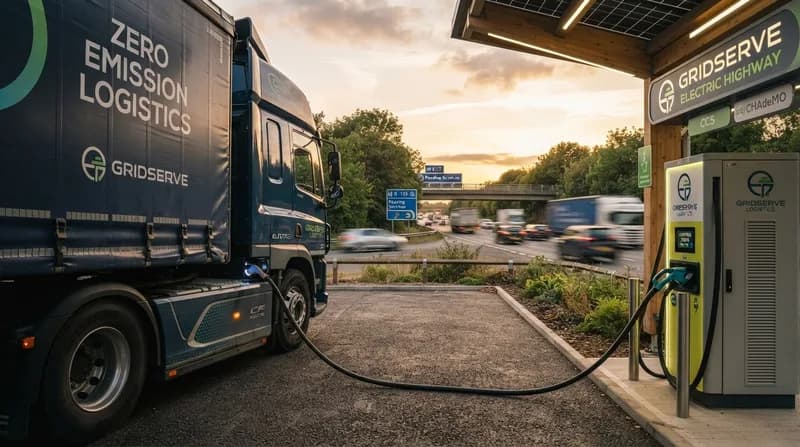
Gridserve and Voltloader Forge Major UK Electric Freight Partnership
Electric Vehicles

Gridserve and Voltloader Forge Major UK Electric Freight Partnership

A new strategic agreement between Gridserve and Voltloader is set to bolster public electric heavy goods vehicle charging infrastructure across key UK freight corridors.

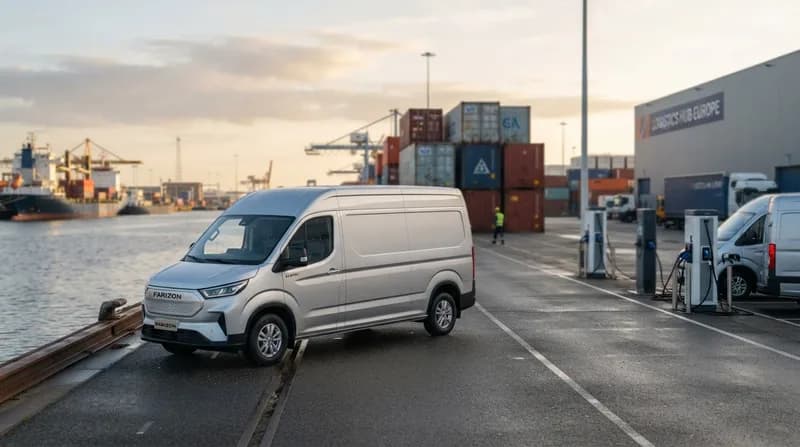
Geely’s Farizon Scales European Ambitions with Strategic Partner Network and New Tech
Electric Vehicles

Geely’s Farizon Scales European Ambitions with Strategic Partner Network and New Tech

Geely's commercial vehicle arm, Farizon, is aggressively expanding its European footprint through major service partnerships and upcoming all-wheel-drive electric transporter variants.

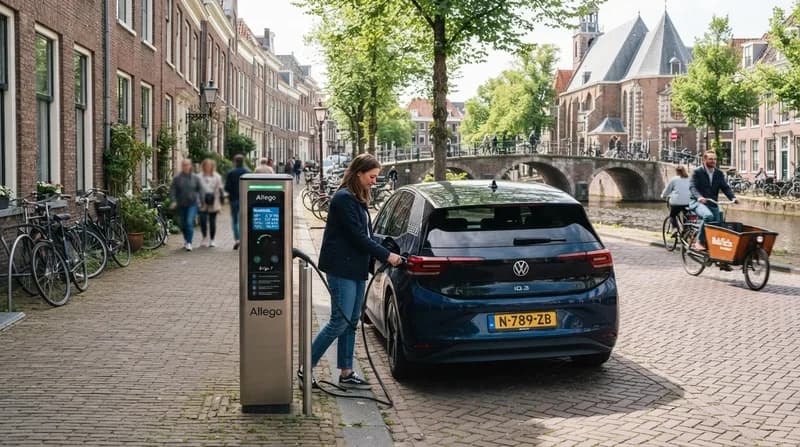
Netherlands Overhauls EV Infrastructure with Major New Charging Concessions
Electric Vehicles

Netherlands Overhauls EV Infrastructure with Major New Charging Concessions

TotalEnergies and Velian have secured a massive contract to modernize and expand public charging networks across 43 Dutch municipalities, prioritizing price transparency and smart grid integration.

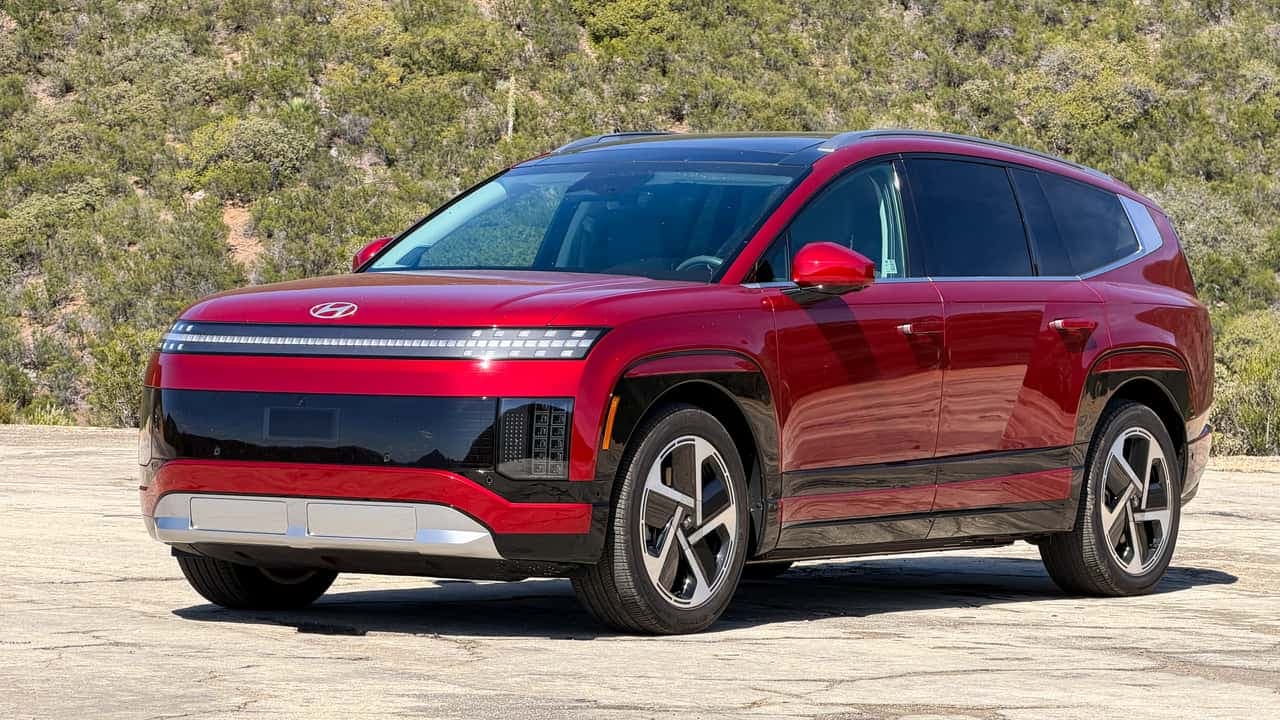
Hyundai Issues Safety Recall for Ioniq 9 Over Seat Malfunction
Electric Vehicles

Hyundai Issues Safety Recall for Ioniq 9 Over Seat Malfunction

Hyundai is rolling out a critical software update for the 2026 Ioniq 9 after reports indicated that power-folding rear seats may fail to detect passengers, posing a potential entrapment risk.

Toyota Pivots to Range-Extender Strategy to Reclaim China Market Share
Electric Vehicles

Toyota Pivots to Range-Extender Strategy to Reclaim China Market Share

Toyota is reportedly preparing to launch its first range-extender electric vehicle in China by 2027, signaling a strategic shift to compete with domestic rivals in the world's largest EV market.

Volvo Cars Appoints Skoda CEO Klaus Zellmer to Spearhead Future Growth
Electric Vehicles

Volvo Cars Appoints Skoda CEO Klaus Zellmer to Spearhead Future Growth

In a major leadership shakeup, Volvo Cars has selected industry veteran Klaus Zellmer to guide the company through its ambitious multi-model electrification strategy.

Volkswagen Kicks Off Production of the ID. Cross in Spain
Electric Vehicles

Volkswagen Kicks Off Production of the ID. Cross in Spain

Volkswagen has officially begun series production of the ID. Cross at its Navarra facility, marking a major milestone for the brand's affordable electric vehicle strategy.

Volkswagen ID. Buzz Completes Epic 62,000-Mile Global Expedition
Electric Vehicles

Volkswagen ID. Buzz Completes Epic 62,000-Mile Global Expedition

A stock Volkswagen ID. Buzz has circled the globe, traversing 92 countries and 62,000 miles, all while retaining nearly 96% of its original battery health.