ScienceTechnical Deep Dive

Hidden Microbial Lineages: The Surprising Contagiousness of Your Gut Microbiome

Published
EElectricBuzz Editorial Team
Hidden Microbial Lineages: The Surprising Contagiousness of Your Gut Microbiome
3 min read502 wordsElectricBuzz Editorial Team

The Gist

New research from the University of Vienna reveals that gut bacteria are far more dynamic and mobile than previously believed, potentially reshaping our approach to personalized medicine.

The Myth of the Static Microbiome

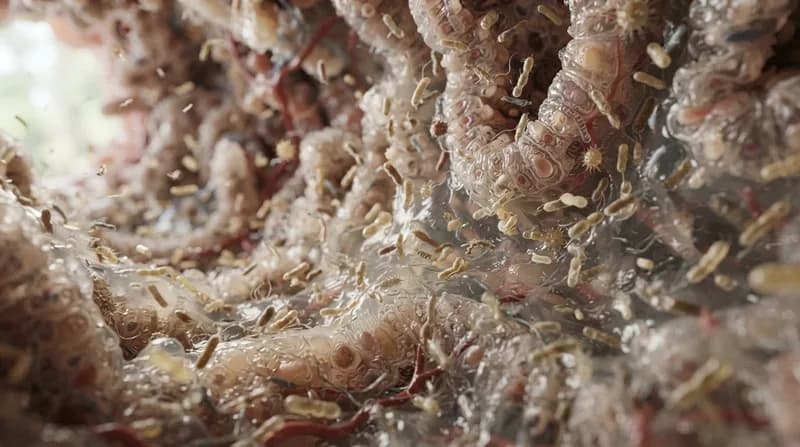
For years, the scientific community has treated the human microbiome as a collection of broad species, categorizing our internal residents primarily by their basic genetic profiles. However, a groundbreaking study published in Nature suggests this perspective is fundamentally incomplete. Researchers from the University of Vienna have utilized a sophisticated analytical strategy known as 'reverse ecology' to peek beneath the surface, discovering that what we once thought were uniform species are actually composed of highly specialized, distinct evolutionary lineages.

By examining thousands of bacterial isolates and extensive metagenomic datasets, the team identified 'genome-wide selective sweeps'—instances where specific mutations grant a population a competitive advantage, allowing it to dominate its ecological niche. This process reveals that our gut is not just a container for random bacteria, but a complex, shifting landscape where distinct populations have adapted to specific environments, health states, and metabolic conditions within the human host.

The Contagion Factor

One of the most striking revelations of the study is the mobility of these microbial populations. Contrary to the long-held belief that our microbiome is primarily dictated by individual diet and lifestyle, the research demonstrates that competitive bacterial strains can spread rapidly between people and across entire continents within just a few decades. This pattern of transmission, previously associated almost exclusively with dangerous pathogens, suggests that the composition of our gut flora is influenced by global human movement and interpersonal contact in ways that were previously underestimated.

This dynamic transmissibility implies that your gut health may be significantly more influenced by your environment and social interactions than your personal diet alone. As these well-adapted strains occupy new niches, they bring with them specific biological functions that can either promote health or contribute to the development of chronic conditions, fundamentally changing how we understand the origin and spread of gut-related health trends.

Implications for Precision Medicine

The discovery of these 'hidden' lineages offers a transformative path forward for medical diagnostics and treatment. Because specific bacterial sub-populations have been linked to serious health challenges—including colorectal cancer, inflammatory bowel disease, type 2 diabetes, and the processes of aging—scientists now have a new set of precise targets for therapeutic intervention.

  • Targeted Therapies: Instead of broad-spectrum treatments that wipe out entire species, future medicine could focus on suppressing specific, harmful sub-populations while encouraging beneficial ones.
  • Precise Biomarkers: Identifying the exact evolutionary units within a patient's microbiome allows for more accurate disease prediction and monitoring.
  • Dynamic Health Tracking: Recognizing the contagious nature of these bacteria changes how researchers approach clinical studies and long-term health surveillance, moving away from static snapshots toward a more fluid, population-based model of human health.

As the researchers look toward future studies, the focus will shift to isolating the specific genes that distinguish these lineages. By decoding the biological functions of these genetic differences, the team hopes to unlock a new era of 'microbiome medicine'—a field where our internal microbial landscape is managed with the same level of granular detail as we currently apply to human genetics or pharmacology.


The 5 Best Over-Ear ANC Headphones of 2026, Tested & Ranked
Editor's Pick Guide
92/100
Tech & Gadgets12 min read

The 5 Best Over-Ear ANC Headphones of 2026, Tested & Ranked

We locked five over-ear ANC picks for 2026 — Sony WH-1000XM6, Bose QuietComfort Ultra 2, Soundcore Space One, Sennheiser Momentum 5, and Apple AirPods Max 2 — then stress-tested them on lab metrics, long-term owner truth, and live street prices.

Related Stories

Semantically matched articles, ranked by topic overlap and freshness.

NASA's Roman Space Telescope Set for Two Decades of Cosmic Discovery
Science

NASA's Roman Space Telescope Set for Two Decades of Cosmic Discovery

Thanks to exceptional launch precision and significant fuel savings, the Nancy Grace Roman Space Telescope is poised to more than double its mission life, potentially operating for over 22 years.

Unlocking Predictive Markers: How B Cells Could Forecast Immunotherapy-Induced Colitis
Science

Unlocking Predictive Markers: How B Cells Could Forecast Immunotherapy-Induced Colitis

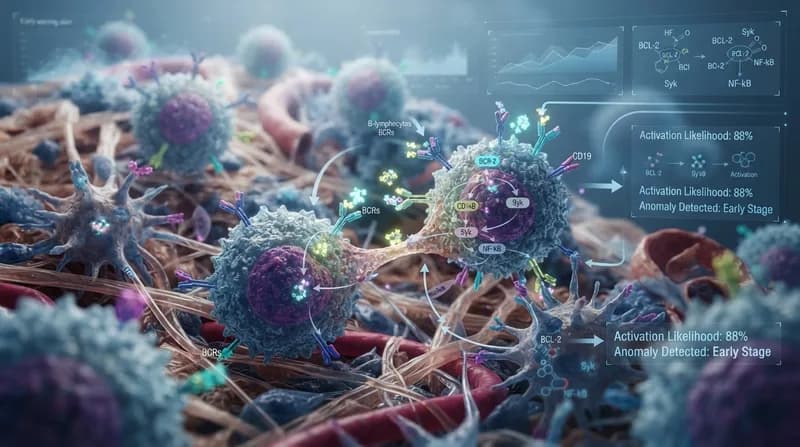
New research from MD Anderson Cancer Center suggests that B cell activity acts as a crucial early-warning system for identifying patients at risk of developing severe colitis during cancer treatment.

Could a Tiny Brain Protein Be the Master Switch for Aging?
Science

Could a Tiny Brain Protein Be the Master Switch for Aging?

Researchers have identified that declining levels of a brain protein called Menin may drive systemic aging, offering a potential new target for age-related health interventions.

Challenging Einstein: Scientists Pioneer Gravity Tests Using Exotic Muonium Atoms
Science

Challenging Einstein: Scientists Pioneer Gravity Tests Using Exotic Muonium Atoms

Researchers at ETH Zurich have developed a method to create controlled beams of muonium, potentially enabling the first-ever gravitational tests on second-generation particles.

Unlocking the Narrative: AI System Transforms Physician Notes into Actionable Medical Data
Science

Unlocking the Narrative: AI System Transforms Physician Notes into Actionable Medical Data

A groundbreaking study reveals how a new AI system can parse clinical prose at scale, converting hidden patient insights into verifiable, computer-readable data.

Caltech’s Femtosecond Breakthrough: Steering Light with Light
Science

Caltech’s Femtosecond Breakthrough: Steering Light with Light

Researchers have engineered a nanoscale silicon metasurface capable of redirecting light beams in just 74 quadrillionths of a second, shattering traditional speed barriers in photonic computing.

Beyond the Starch: Why Black and Green Rice Are Emerging as Metabolic Superfoods
Science

Beyond the Starch: Why Black and Green Rice Are Emerging as Metabolic Superfoods

New research from Hokkaido University reveals that pigmented rice varieties contain unique, beneficial fats that could revolutionize dietary approaches to blood sugar management.

Biological Breakthrough: Scientists 3D-Print a Functional Human Gut-on-a-Chip
Science

Biological Breakthrough: Scientists 3D-Print a Functional Human Gut-on-a-Chip

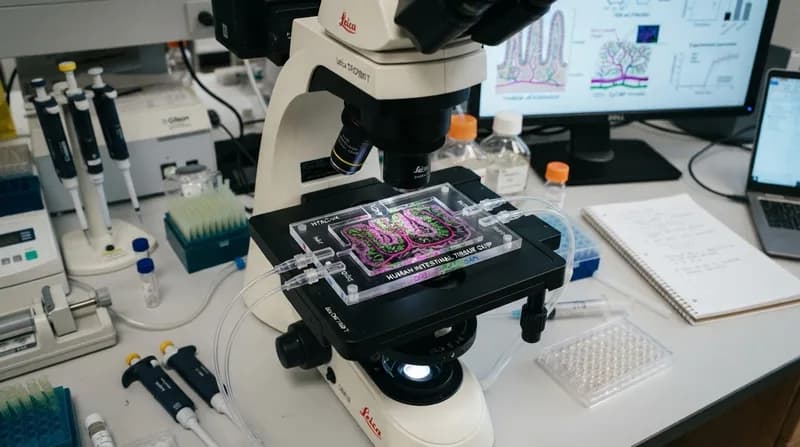
Researchers at Lawrence Livermore National Laboratory have successfully replicated the complex 3D architecture of the human small intestine on a compact, microfluidic device.