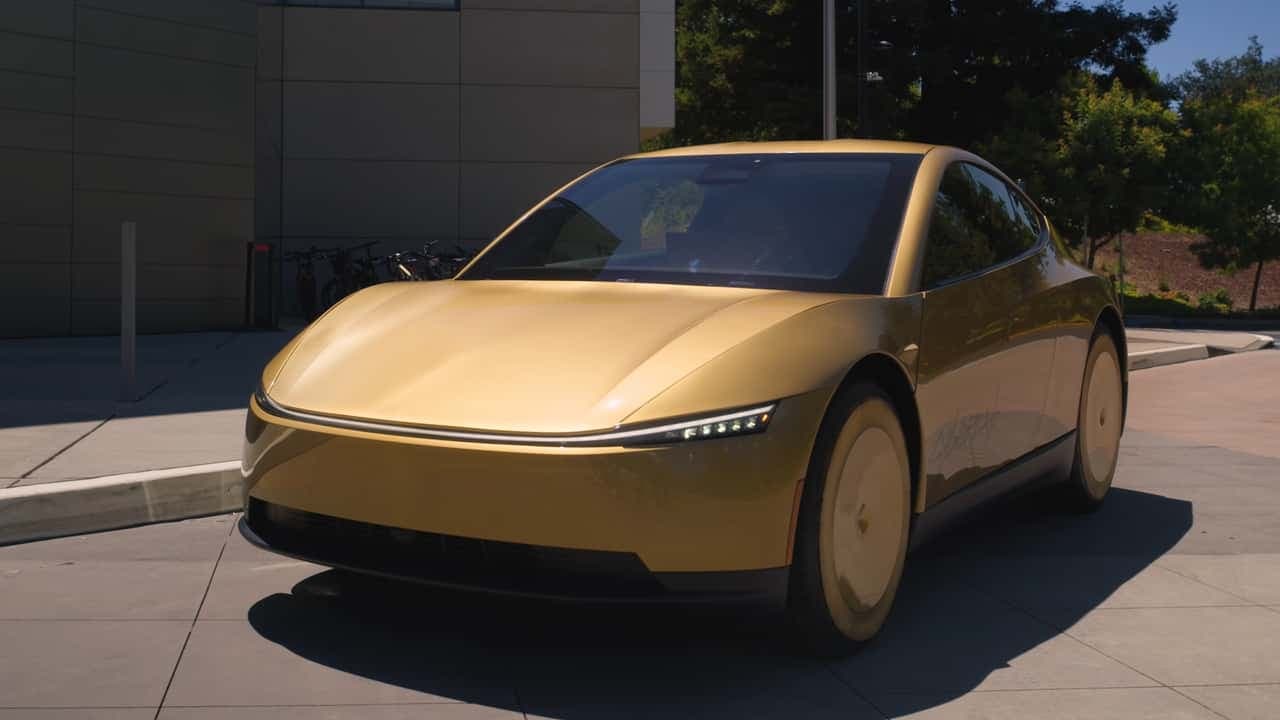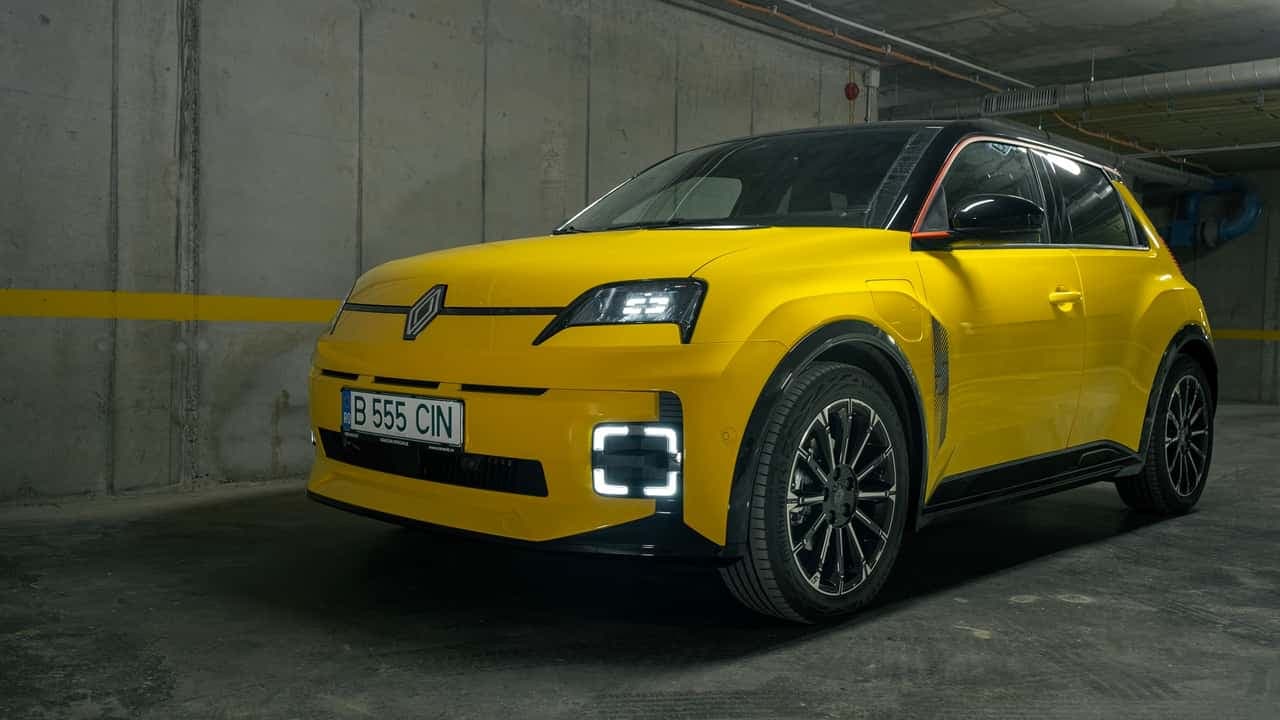
In a remarkable shift towards electric mobility, Europe recorded a 51% increase in electric vehicle (EV) sales in July 2023, resulting in a 25% market share for new car registrations. This surge highlights changing consumer preferences, driven largely by rising fuel prices and an expanding range of electric vehicle models.
Key Highlights
- A total of 277,006 EVs were registered in July, marking a 37% year-to-date increase compared to 2022.
- The Skoda Elroq topped the sales chart as the best-selling EV, followed by the Volkswagen ID.4 and Renault 5 E-Tech.
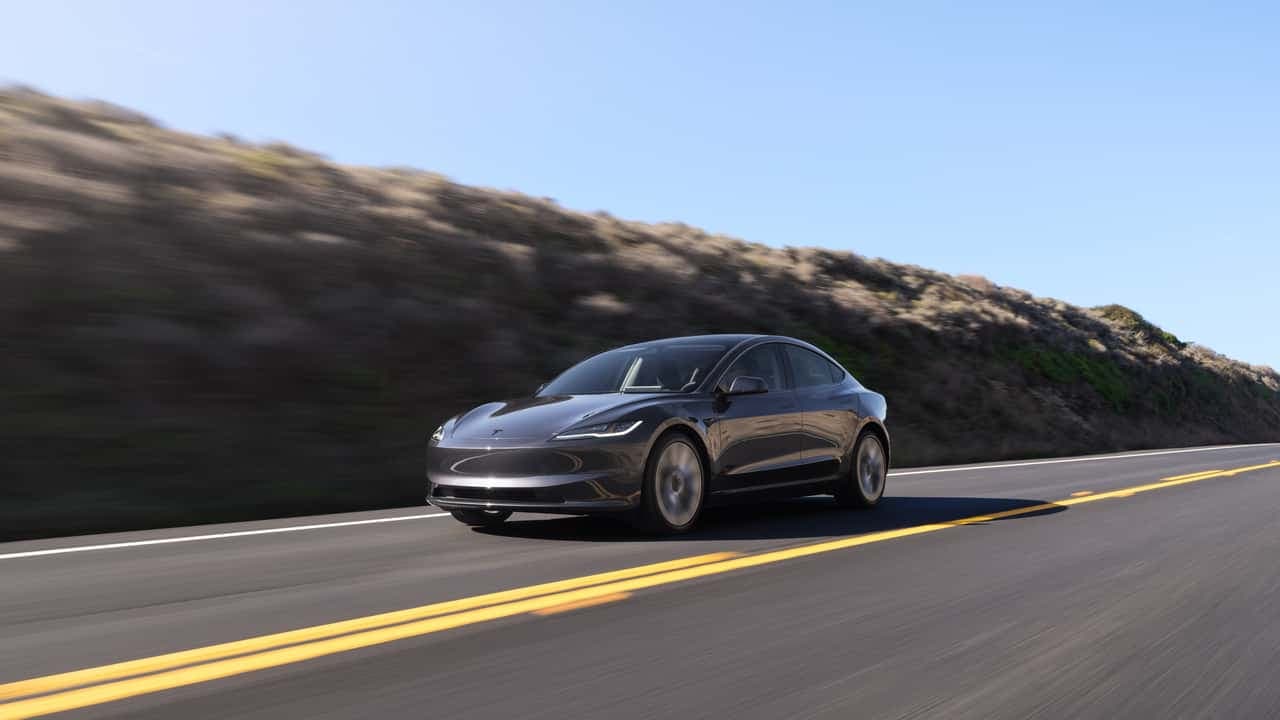
- Tesla remains a formidable player, with the Model Y leading the mid-year sales at 115,759 units.
- In France, the EV share skyrocketed to 35%, with over 44,000 new electric registrations last month.
- Germany is also significantly contributing to the growth of the EV market.
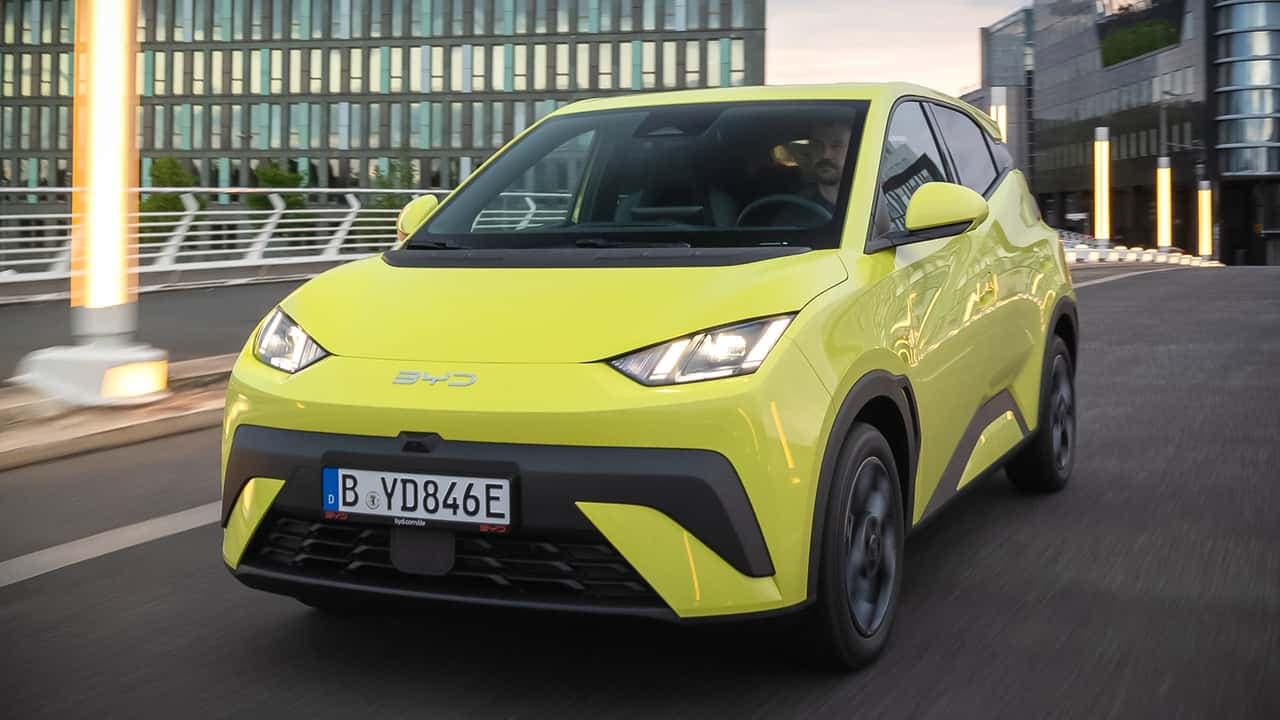
- Chinese manufacturers are gaining traction in the plug-in hybrid segment, capturing a 34% market share. The BYD Seal U was the top-selling PHEV in July.
- Sales of plug-in hybrids increased by 15% compared to last year, with numerous models from Chinese brands among the top sellers.
Why It Matters
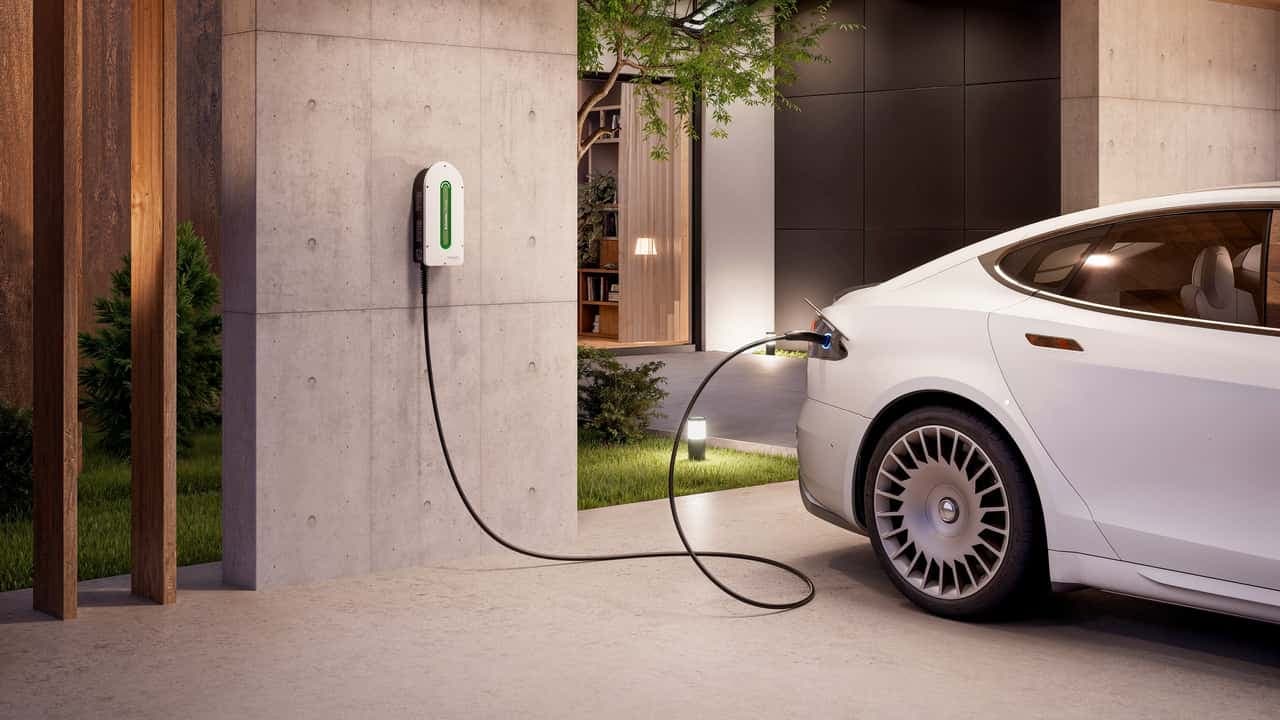
This growth underscores the shifting landscape of vehicle preferences in Europe. As fuel prices continue to rise, consumers are increasingly turning to electric and hybrid options, further supported by governmental incentives and an expanding infrastructure for EV charging. The success of various models—from established brands to emerging Chinese manufacturers—indicates a competitive market poised for further innovation.
Outlook
The future of EV sales in Europe looks promising, with sustained interest and a potential increase in market share as more consumers opt for environmentally friendly vehicles. Continuous advancements in battery technology and charging solutions will likely enhance the appeal of EVs and hybrids further.