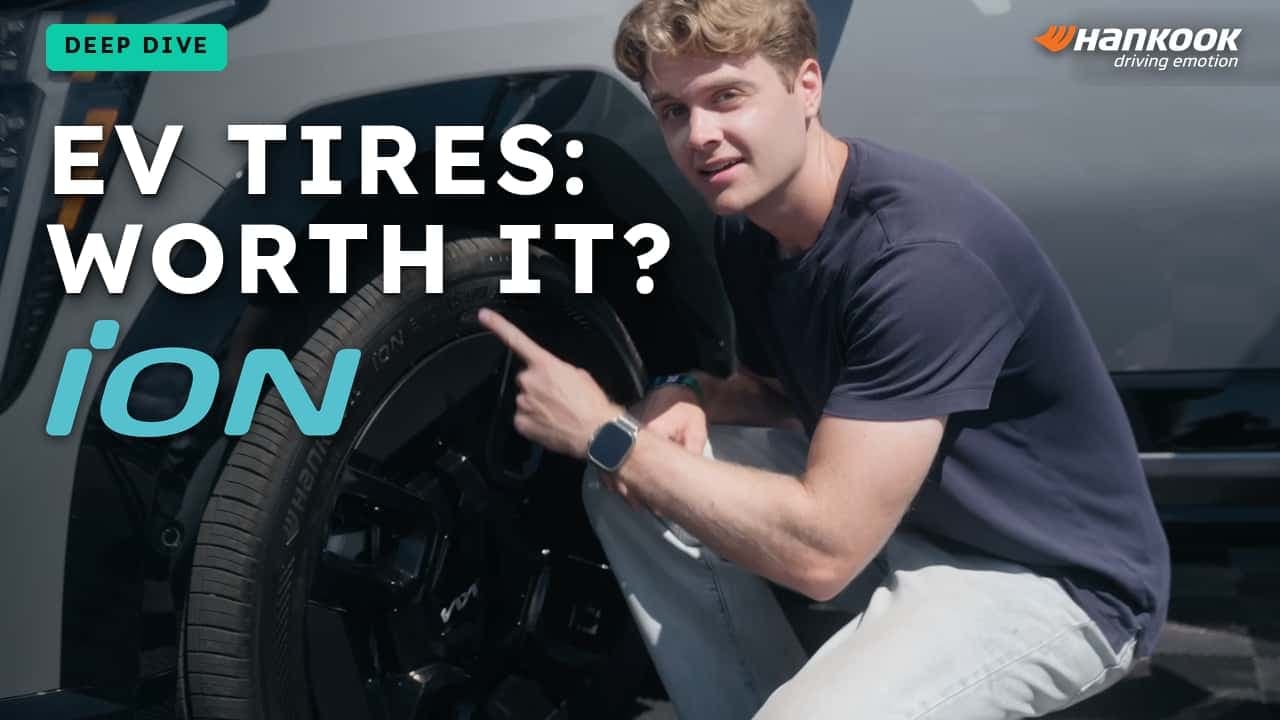
The Anatomy of EV-Specific Tires
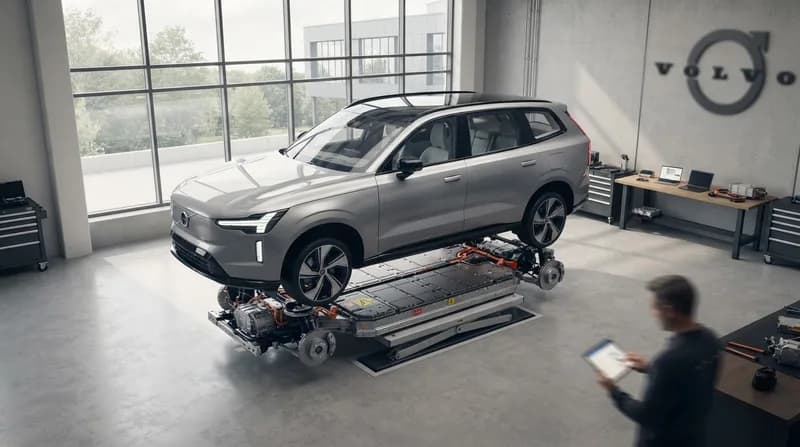
Electric vehicles represent a radical departure from traditional automotive engineering. By swapping internal combustion engines for heavy, high-torque battery packs, EVs impose a set of physical demands on tires that traditional rubber compounds were never designed to handle. Hankook has stepped into this niche with its specialized iON tire lineup, engineered specifically to address the accelerated wear cycles and unique acoustic profiles inherent in modern electric transport.
Because EVs deliver massive amounts of torque instantaneously and often carry significantly more weight than their gas-powered counterparts, the stress on tire sidewalls and treads is magnified. Regular tires frequently succumb to this pressure prematurely. The Hankook iON series utilizes a reinforced structure and a proprietary rubber compound designed to mitigate this rapid degradation, ensuring that the rubber can handle the high-torque characteristics of EVs without sacrificing longevity or grip during spirited driving.
Addressing Range Anxiety and Cabin Noise
Two of the most significant concerns for EV owners are range optimization and interior cabin silence. In the absence of the constant roar of a gas engine, road noise becomes much more apparent, turning even minor tire friction into a significant cabin disturbance. Hankook has addressed this by integrating specialized sipes within the inner tread pattern and installing sound-absorbing foam inserts inside the tire carcass. This acoustic engineering effectively dampens the frequency of tire resonance, providing a quieter, more serene experience for passengers.
Efficiency is the other pillar of the iON design philosophy. Through a meticulous combination of low-rolling-resistance polymers and a sophisticated tread profile, these tires help EVs squeeze more mileage out of every kilowatt-hour. Internal testing suggests that switching to dedicated iON tires can offer a range improvement of up to 6% compared to standard replacement tires. By reducing the energy lost to friction as the tire deforms under the weight of the vehicle, Hankook is effectively making the entire drivetrain more efficient.
Why it Matters
- Weight Management: EV battery packs increase curb weight, which historically led to rapid shoulder wear on standard tires; iON tech distributes this load more evenly.
- Instant Torque: High-acceleration profiles require specialized bonding agents in tire rubber to prevent premature peeling and tread squirm.
- Noise Suppression: Without mechanical engine noise, cabin NVH (noise, vibration, and harshness) is largely dictated by tire-to-road contact, making acoustic foam vital for luxury ride quality.
- Efficiency Gains: A 6% range increase can mean the difference between reaching a destination or needing an extra charging stop during long road trips.
Putting the Tech to the Test
To demonstrate the effectiveness of this hardware, the company recently utilized the Lucid Gravity—a luxury SUV boasting roughly 6,000 pounds of mass and 909 lb-ft of torque—as a testbed. Under such extreme conditions, the iON evo AS all-season tires demonstrated the capability to harness massive output without sacrificing stability. This real-world validation highlights the transition from generic tire manufacturing to specialized EV hardware, emphasizing that as vehicles evolve, the components connecting them to the road must undergo a parallel transformation to unlock the full potential of electric mobility.