Bridging the Gap Between Appointments
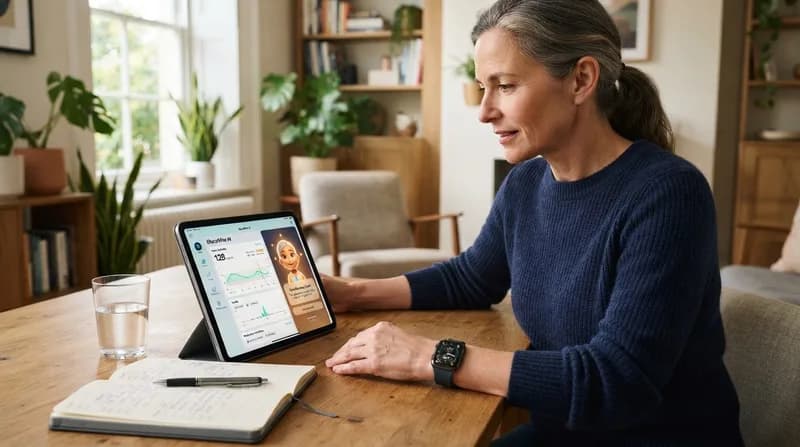
Managing Type 2 diabetes is a notoriously difficult balancing act. It requires a relentless, daily commitment to exercise, nutrition, and medication, often performed in isolation between periodic visits to a healthcare provider. Researchers at the Auckland Bioengineering Institute (ABI) are tackling this challenge with DiNa, an AI-powered digital health coach designed to serve as a supportive bridge, keeping patients engaged with their personalized treatment plans.
Led by Dr. Gonzalo Maso Talou, the project aims to reduce the heavy cognitive burden of manual health tracking. By leveraging data from smartphones, wearables, and continuous glucose monitors (CGMs), DiNa automates much of the data collection process. This system is currently undergoing a clinical trial that compares user outcomes against traditional diabetes management tools, seeking to prove that consistent, AI-driven support can significantly improve patient adherence to healthy lifestyle habits.
Streamlining Data Entry Through Intelligence
One of the most persistent hurdles in diabetes management is the time-consuming nature of food diaries and activity logs. DiNa addresses this by utilizing computer vision and voice recognition. Instead of manually inputting nutritional data, users can simply photograph their meals. The AI then identifies the food items and estimates caloric, carbohydrate, and protein counts, significantly easing the documentation process.
Beyond nutrition, the platform integrates activity data from wearables and allows for simple, voice-command updates regarding medication adherence. By minimizing the friction of record-keeping, the research team hopes to ensure that patients do not feel overwhelmed by their management responsibilities, thereby preventing the common trend of users abandoning tracking tools over time.
The Power of Conversational AI
Perhaps the most compelling feature of DiNa is its conversational interface. Unlike traditional health apps that rely on static dashboards or notifications, DiNa functions as a voice-only coach. Early research into the interface design revealed that users preferred a natural, voice-based dialogue over virtual human avatars, which participants found less intuitive. This conversational approach allows users to discuss challenges, identify barriers to their goals, and receive tailored encouragement in a way that feels like a standard phone conversation.
It is important to note that DiNa is not an autonomous medical authority. It functions by drawing on curated health resources established by New Zealand clinical partners. If a user presents a concern that requires medical intervention, the system is designed to guide the patient back toward their healthcare professional, ensuring that the AI remains a supportive tool rather than a replacement for clinical advice.
Toward the Digital Twin Future
The long-term vision for the ABI team is the integration of DiNa with "digital twin" technology. This advanced computer modeling simulates how an individual’s unique biology responds to specific foods, medications, and physical exertion. By modeling glucose responses based on an individual's metabolism, sex, and activity patterns, the system could eventually offer hyper-personalized predictive advice. This would empower users to ask questions like, "How will this specific meal impact my blood sugar?" or request recipes tailored to the ingredients they currently have on hand and their real-time glucose metrics.
- Project Focus: AI-driven support for Type 2 diabetes management.
- Key Features: Photo-based nutrition tracking, seamless wearable integration, and voice-only conversational coaching.
- Methodology: Clinical trials comparing AI-enhanced feedback against standard monitoring tools.
- Long-term Goal: Implementing digital twin models to simulate personalized metabolic responses.
As the trial moves through its planned phases, the researchers are gathering critical data to refine the underlying algorithms. If the initial results hold, the platform could be integrated into broader healthcare systems, providing patients with a sustainable way to stay engaged with their care and, ultimately, improving long-term health outcomes.