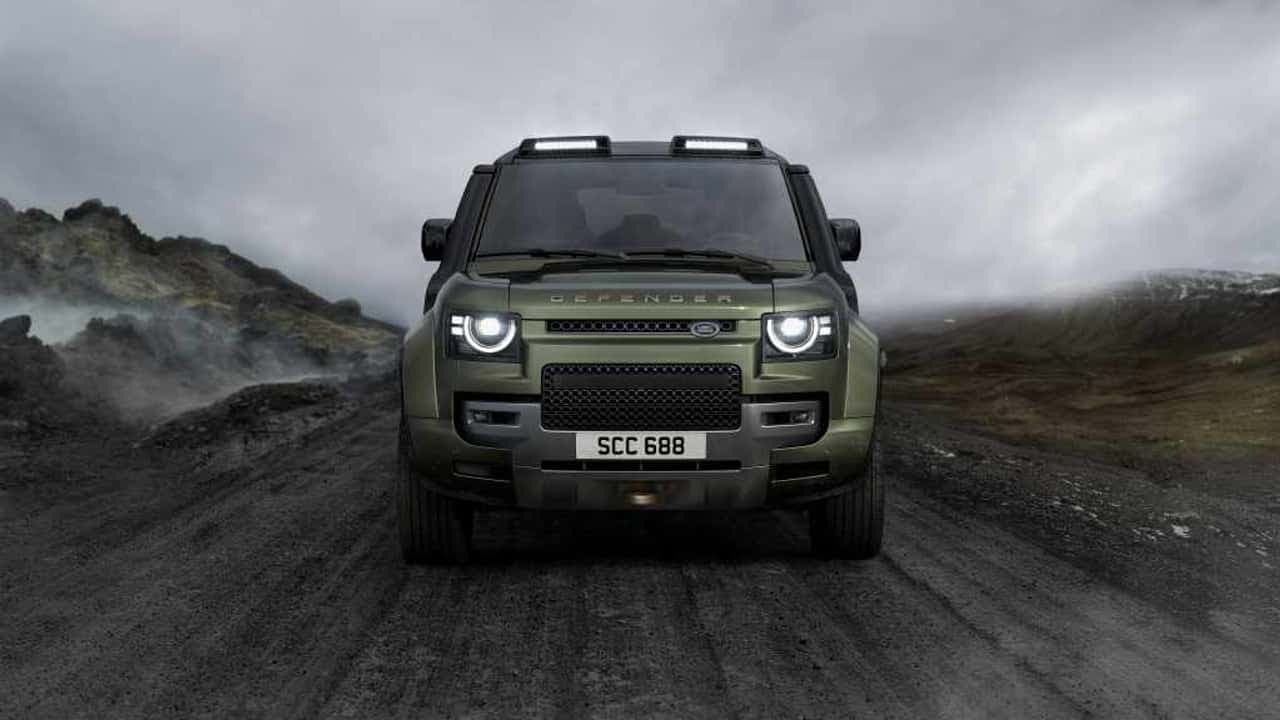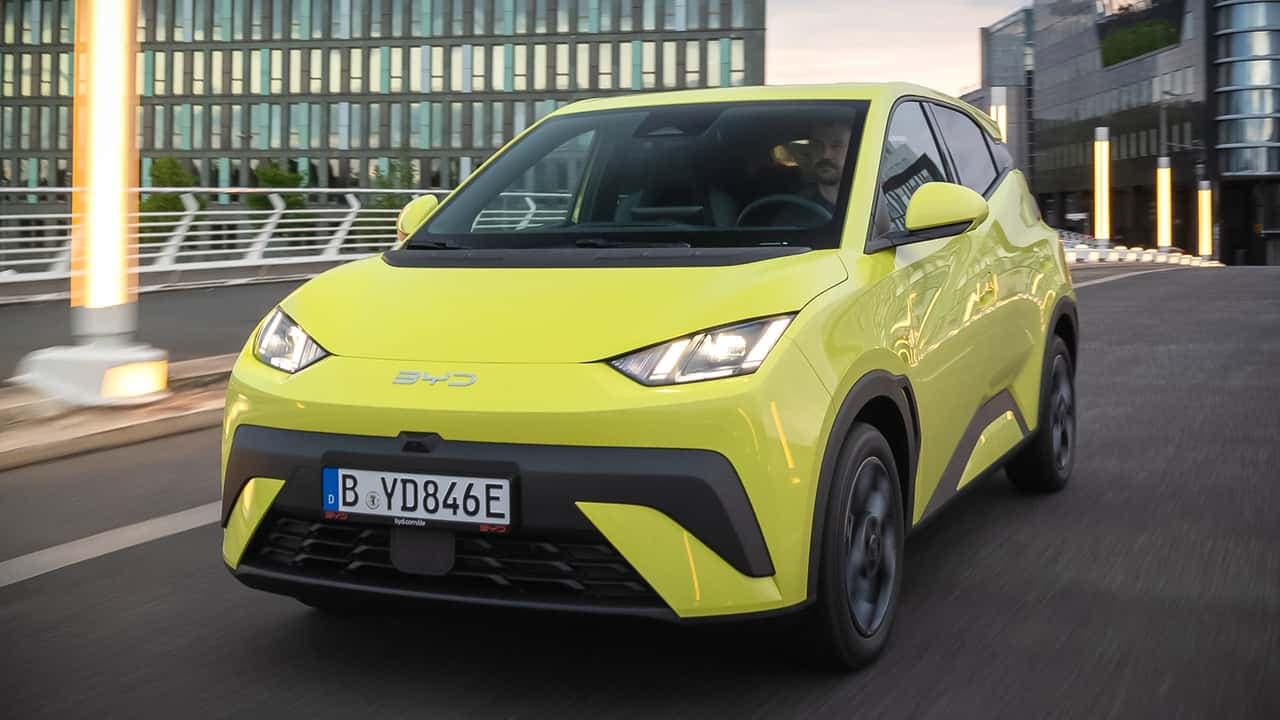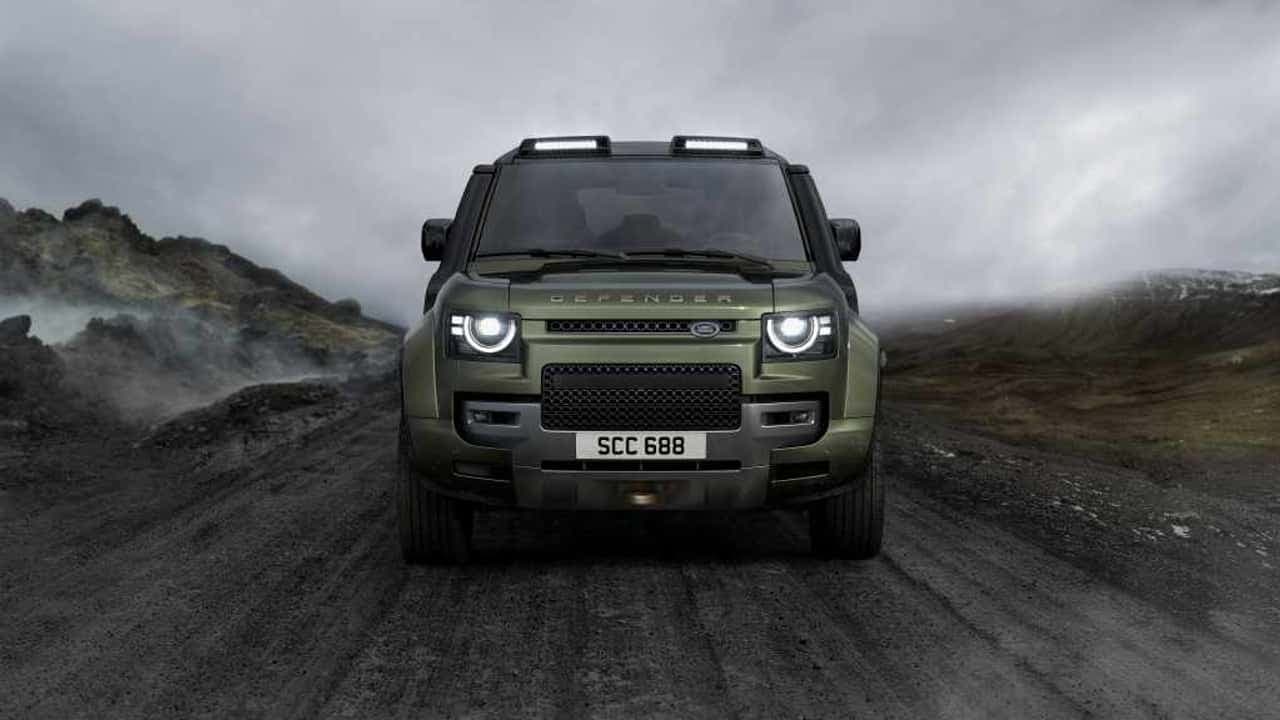
Jaguar Land Rover (JLR) has announced a two-year delay for the launch of its all-electric Defender, now slated for the early 2030s. This decision comes as the company navigates a complex EV market landscape characterized by fluctuating demand, tariffs, and increasing competition from Chinese automakers.
Key Points
- The next-generation electric Defender's arrival has been pushed back to early 2030s, reflecting JLR's need to adapt to evolving market conditions.
- In Q1 of fiscal 2027, JLR reported a 9.2% decline in global sales, totaling 79,300 vehicles, underscoring the challenges it faces.
- To address import tariffs to the U.S., JLR plans to co-develop the U.S. version of the electric Defender with Stellantis, possibly utilizing the STLA Large EV platform or another architecture compatible with Jeep's models.
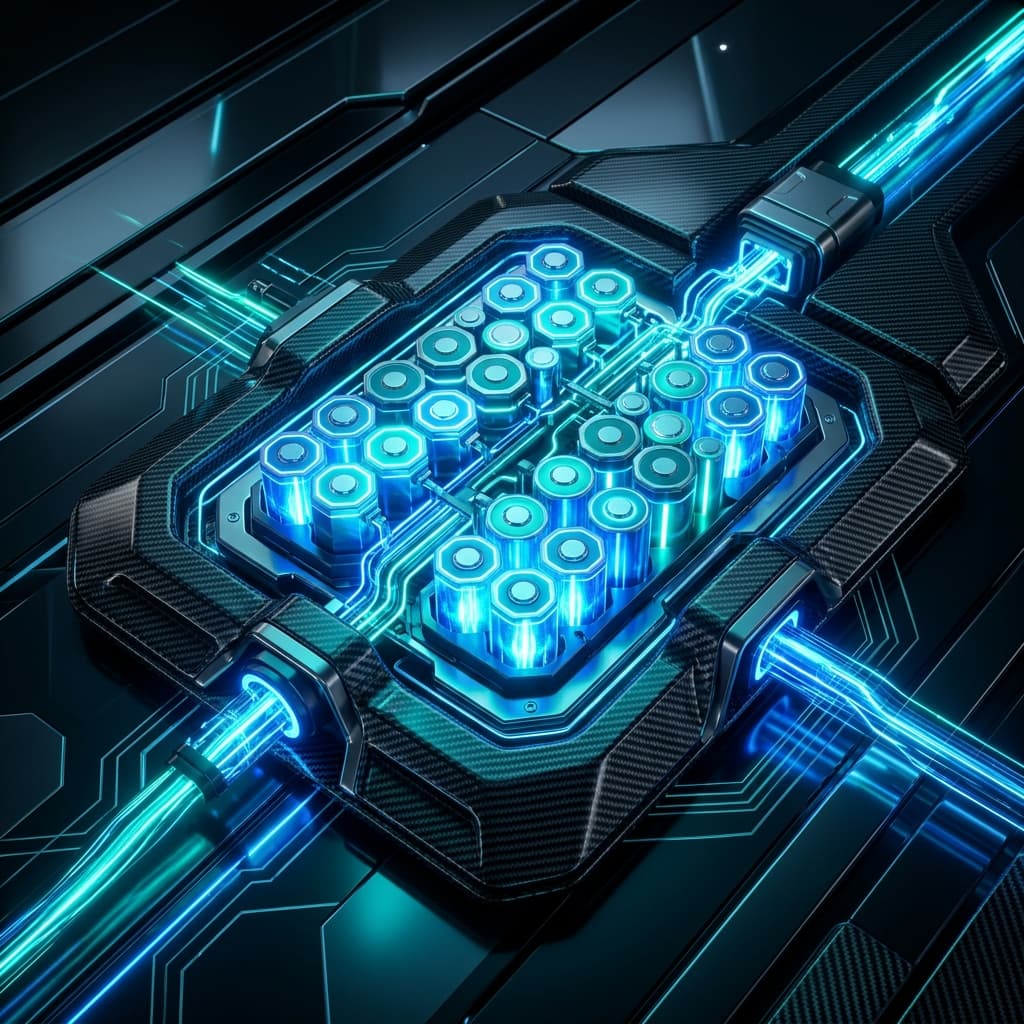
- The upcoming Defender will incorporate JLR's Electrified Modular Architecture (EMA), which enhances software updates and features an 800-volt electrical architecture designed for electric vehicles.
- Currently, Defender models are only available as combustion engines, indicating a notable shift in JLR's strategy towards electric mobility in response to market conditions.
This strategic realignment is critical for JLR as it aims to establish a more competitive stance against rivals in the burgeoning EV segment. The partnership with Stellantis may also provide necessary resources and expertise to navigate regulatory landscapes and technological development.
For further details, you can read the report at InsideEVs.