The Emergence of the Sucralose-6-Acetate Concern
In recent years, the popular artificial sweetener sucralose—widely known by the brand name Splenda—has found itself at the center of a intense scientific debate. The controversy primarily stems from a 2023 study focusing on sucralose-6-acetate, a chemical byproduct that can exist as an impurity within commercial sucralose samples. Researchers at North Carolina State University identified that this compound can be present in concentrations as high as 0.67% in off-the-shelf products, triggering a series of investigations into its potential biological impact.
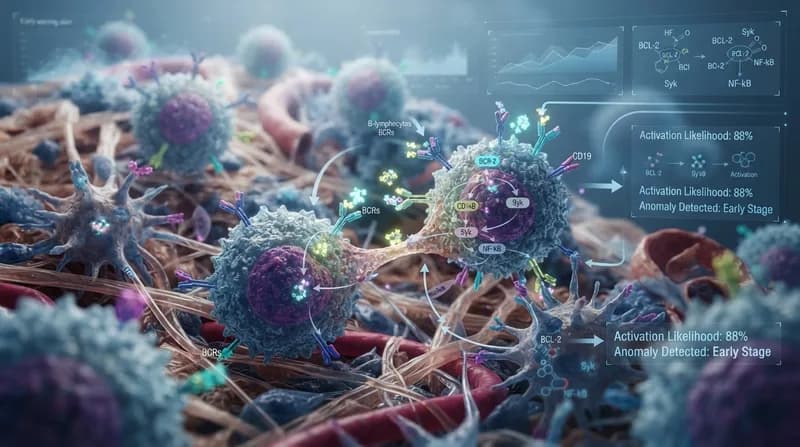
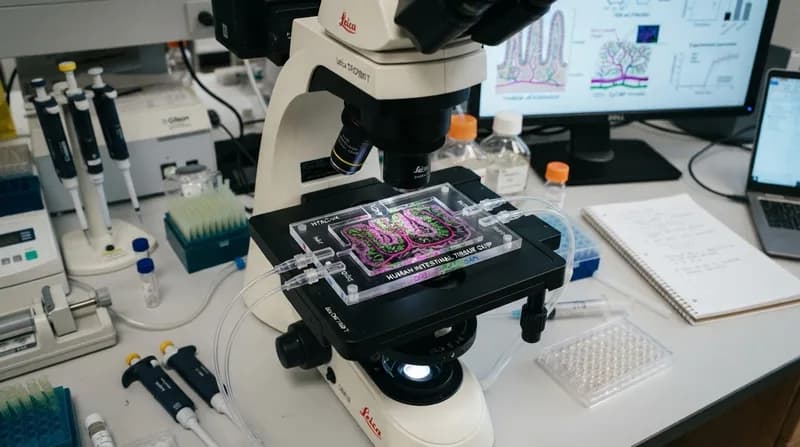
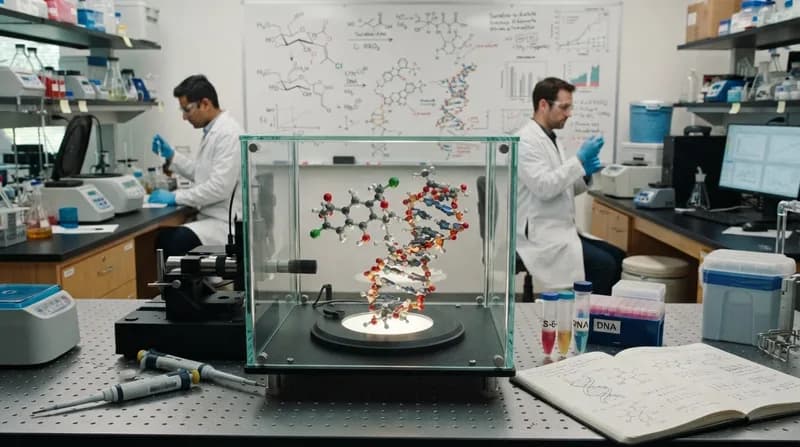
The initial concern was rooted in the finding that sucralose-6-acetate exhibited signs of genotoxicity—the capacity to cause damage to genetic material. During in vitro experiments, researchers observed that the substance could break DNA strands in cultured human blood cells. Furthermore, experiments involving intestinal tissue models suggested that both sucralose and its byproduct might contribute to increased intestinal permeability, commonly referred to as a 'leaky gut,' and alter gene activity related to oxidative stress and inflammation. These findings created a significant public ripple, prompting calls to re-examine the safety of synthetic sweeteners.
The Distinction Between Lab Models and Human Reality
While the 2023 laboratory results provided compelling data points, the scientific community has emphasized a crucial distinction between findings in a controlled dish and the realities of human physiology. Exposing cells directly to high concentrations of a chemical is a standard screening method, but it does not automatically translate to actual health outcomes in humans who ingest the substance through normal dietary channels. Experts argue that identifying a potential hazard in a lab does not equate to confirmed toxicity under standard consumption levels.
A major turning point in this conversation arrived in February 2026, when the European Food Safety Authority (EFSA) conducted an exhaustive reassessment of sucralose. After analyzing the entirety of the evidence—including the 2023 DNA research—European regulators maintained the current acceptable daily intake (ADI) of 15 milligrams per kilogram of body weight. The panel concluded that existing laboratory and animal studies did not provide sufficient evidence to support a genotoxicity risk to the general public, effectively reaffirming the sweetener's safety for its authorized uses.
New Perspectives and Persistent Uncertainties
Subsequent studies have further complicated the narrative. Research published in August 2026 in Food and Chemical Toxicology utilized various genetic toxicity assays on commercial-grade sucralose, returning mostly negative results for mutation or chromosomal damage in animal and cell models. While some assays produced ambiguous signals, the overall consensus from the authors was that the sweetener did not pose a systemic genotoxic threat.
Despite the reassurance from regulatory bodies, scientific curiosity remains high regarding other physiological impacts. Recent trials have explored how sucralose influences brain regions involved in appetite regulation, such as the hypothalamus, and how it might impact glucose levels. Additionally, new concerns have surfaced regarding the stability of sucralose when subjected to extreme heat. The EFSA review noted that under high-temperature cooking conditions, the chlorine in sucralose can potentially integrate into unknown compounds, leading regulators to advise caution for certain high-heat industrial baking applications. As the science continues to evolve, the focus is shifting from simple toxicity toward understanding the nuanced metabolic and thermal-degradation effects of this ubiquitous food additive.
Why it Matters
- Regulatory Context: Regulatory safety thresholds (like the Threshold of Toxicological Concern) are designed as conservative screening tools, not definitive proof of harm.
- Methodological Gaps: Laboratory findings in isolated cell cultures often overestimate the dangers of a substance because they do not account for natural human metabolic filtration.
- Temperature Sensitivity: The chemical behavior of sucralose changes during high-heat cooking, a variable that remains an active area of investigation for food safety scientists.