A New Frontier in Brain Resilience
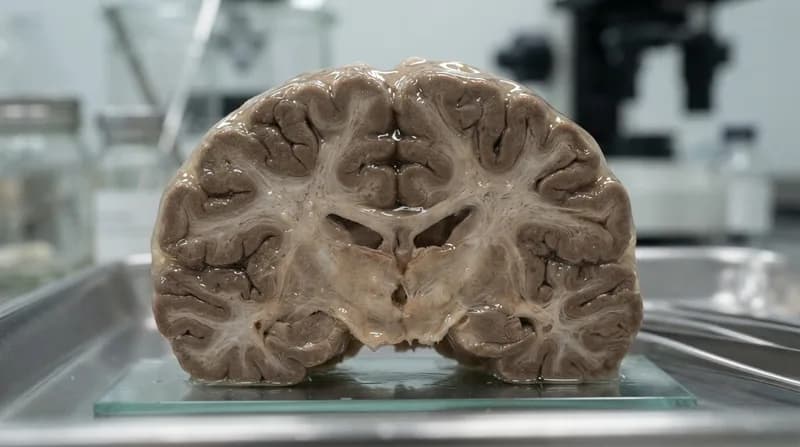
For years, neuroscientists have focused heavily on gray matter—the brain's processing center—as the primary barometer for cognitive health. However, a landmark study from the Keck School of Medicine of USC suggests we have been missing a crucial piece of the puzzle. Researchers at the Mark and Mary Stevens Neuroimaging and Informatics Institute have discovered that superficial white matter, a thin layer of nerve fibers tucked directly beneath the brain's outer surface, acts as a protective infrastructure that helps maintain cognitive function during the aging process.
By analyzing the brains of 459 adults aged 60 and older, the team found that the integrity of these local communication pathways is directly linked to how well a person maintains language skills and memory. This discovery challenges the conventional view that gray matter atrophy is the sole determinant of cognitive decline, suggesting instead that the 'wiring' connecting these regions plays a critical, buffering role in overall brain resilience.
The Mechanics of Local Connectivity
To visualize this internal architecture, the research team utilized an advanced form of diffusion MRI. This technology tracks the subtle movement of water through brain tissue, providing a high-resolution map of neurite density—the microscopic fibers that nerve cells use to transmit signals. When these fibers are healthy and dense, they facilitate smooth communication between neighboring regions of the cerebral cortex, similar to a high-speed local road network.
The study highlights a clear correlation: when superficial white matter remains robust, the negative effects of gray matter shrinkage on cognition are significantly mitigated. Specifically, participants with higher-quality superficial white matter exhibited superior fluency and vocabulary retention, particularly in frontotemporal regions of the brain. Essentially, if the local infrastructure is strong, the brain can compensate for the loss of processing cells, allowing for continued functionality despite physical aging.
Why It Matters
- Beyond Gray Matter: The research shifts the clinical focus from just observing cell loss to understanding the health of the connectivity that sustains remaining functions.
- Diverse Insights: Unlike many neurological studies that rely on homogeneous populations, this study focused on older adults in India, including individuals with low literacy or those living in rural areas, offering a more global perspective on aging.
- Potential for Intervention: While the study establishes an association, it opens the door to future research on whether lifestyle factors or medical treatments can preserve this white matter, potentially slowing the onset of dementia or cognitive impairment.
A Diverse Approach to Neuroscience
A significant highlight of this research is its commitment to inclusivity. The data was drawn from the Longitudinal Aging Study in India (LASI-DAD), which represents a demographic historically absent from Western-centric neuroimaging databases. This diversity is vital; the researchers noted that the connection between superficial white matter health and language ability appeared particularly strong in individuals with lower formal education levels, hinting that brain aging is a complex tapestry woven from social, educational, and environmental experiences rather than purely biological progression.
Moving forward, the team emphasizes that while this research marks a massive leap in our understanding of 'hidden' brain health, it is only the beginning. Because the study was a cross-sectional snapshot, longitudinal tracking is required to confirm whether the degradation of white matter precedes the loss of gray matter or occurs in tandem. Nevertheless, by peering beneath the surface of the cerebral cortex, scientists are closer than ever to identifying biological markers of resilience that could protect the mind as the body ages.