The Symbiotic Future of AI and Neuroscience
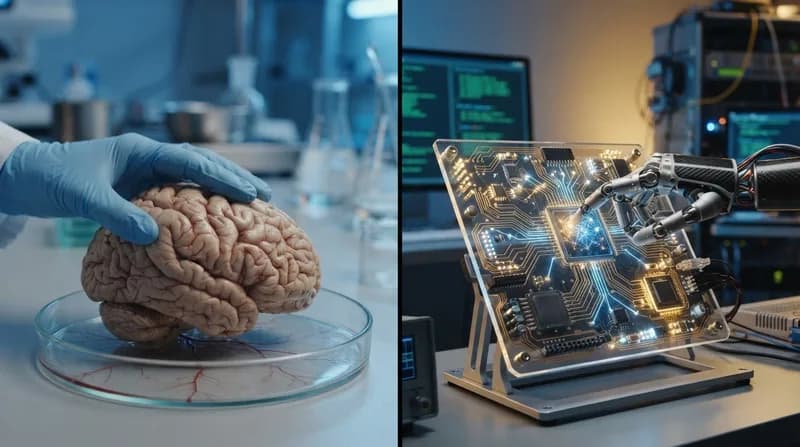
The human brain is arguably the most complex machine in existence, housing roughly 86 billion neurons and trillions of synaptic connections. Mapping this intricate biological web has long been the primary objective of neuroscientists. However, as data sets grow into the petabyte scale, traditional analysis has hit a wall. Enter artificial intelligence: a transformative catalyst that is not only helping us decode the brain but is itself evolving by drawing inspiration from biological neural architectures.
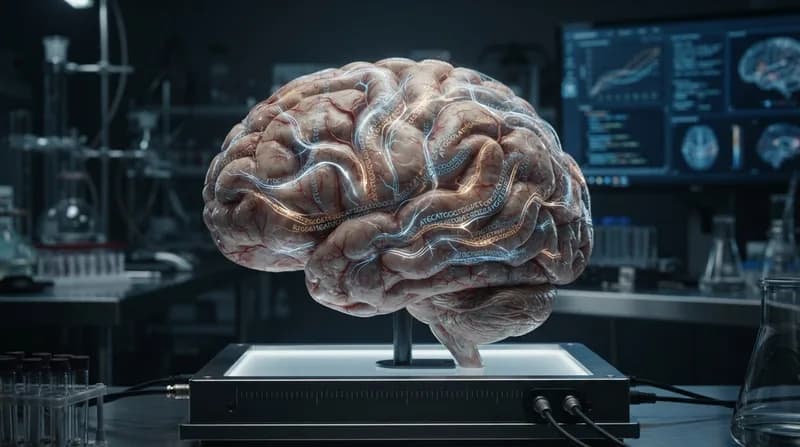
At the 2026 annual meeting of the Society for Neuroscience, researchers are showcasing how AI’s analytical prowess is streamlining everything from genomic sequencing to memory modeling. The convergence of these fields is creating a virtuous cycle where brain insights improve silicon-based learning models, while those same models unlock secrets hidden within our biological circuitry.
1. Decoding Memory through Biological Parallels
One of the most compelling presentations comes from Guanglong Sun of Tsinghua University, who has bridged the gap between artificial neural networks and organic brain function. By studying the cognitive mechanisms of fruit flies—a standard model organism—and comparing them to synthetic neural architectures, researchers have identified a shared, fundamental principle for memory formation. This discovery suggests that the way biological brains create flexible, robust memories may be fundamentally compatible with the algorithms used in high-level machine learning.
This insight is significant because it provides a blueprint for making AI more resilient. By mimicking the biological constraints and memory-management systems of fruit flies, researchers believe they can build computational models that don't just process information, but adapt and retain knowledge in dynamic environments, mirroring the sophisticated learning patterns observed in living species.
2. Democratizing Genomics via Conversational AI
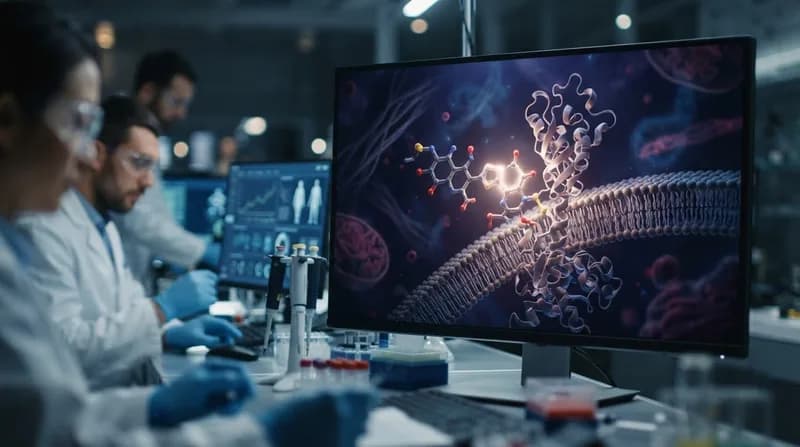
A persistent barrier in modern neuroscience has been the high technical bar required to process complex genomic data. Typically, researchers need advanced coding skills to handle the massive, noisy datasets generated by modern sequencing tools. Vivek Swarup from the University of California, Irvine, is disrupting this bottleneck with a new open-source AI platform that eliminates the need for traditional programming entirely.
The tool allows neuroscientists to query massive genomic datasets using plain, conversational English. By lowering the barrier to entry, this technology enables a wider array of scientists to investigate the complex interplay between genetics and neurological health without getting bogged down in syntax errors or software architecture. This democratization of data analysis is expected to accelerate the discovery of genetic markers for neurodegenerative diseases significantly.
3. Breaking Data Silos with Standardized Frameworks
Finally, the field is tackling the long-standing problem of data silos. As Oliver Ruebel from the Lawrence Berkeley National Laboratory highlights, neuroscience has historically suffered from fragmented data standards, making cross-institutional collaboration nearly impossible. The community is now coalescing around collaborative data standards, supported by AI-driven workflows that organize, validate, and share brain data more efficiently than ever before.
By automating the standardization process, these AI-backed frameworks ensure that data collected in one lab is immediately usable in another, effectively turning isolated findings into a unified global brain research library. This shift is not merely about storage; it is about creating a coherent data ecosystem that allows scientists to analyze the nuanced relationships between genes, environments, and behavioral outcomes on a massive, interspecies scale.
Why It Matters
The integration of AI into neuroscience is shifting the field from a descriptive science to a predictive one. By combining AI-powered analytics with biological reality, researchers are uncovering the structural foundations of consciousness and behavior. This work holds profound implications for clinical neurology, potentially leading to earlier diagnosis and personalized therapies for a wide range of brain-related disorders.