The Crucial Link Between Arginine and Immunity
Researchers at Rockefeller University have uncovered a compelling connection between the amino acid arginine and the body’s ability to defend itself against serious health threats. In a study published in the journal Cell, the team demonstrated that when arginine levels drop, the immune system’s ability to recognize malignant or infected cells is significantly compromised. This discovery suggests that a simple, inexpensive dietary supplement could potentially bolster immune responses, offering a new avenue for supporting patients battling colon cancer or viral pathogens like influenza and SARS-CoV-2.
Arginine is a naturally occurring amino acid, found in protein-rich foods and synthesized by the body, that serves as a building block for various proteins. While scientists have long observed that low levels of arginine correlate with disease progression, the mechanism behind this relationship remained elusive. The latest study identifies how this nutrient directly dictates the expression of proteins essential for immune surveillance, revealing that dietary intervention could be more powerful than previously understood.
How Arginine Deficiency Masks Disease
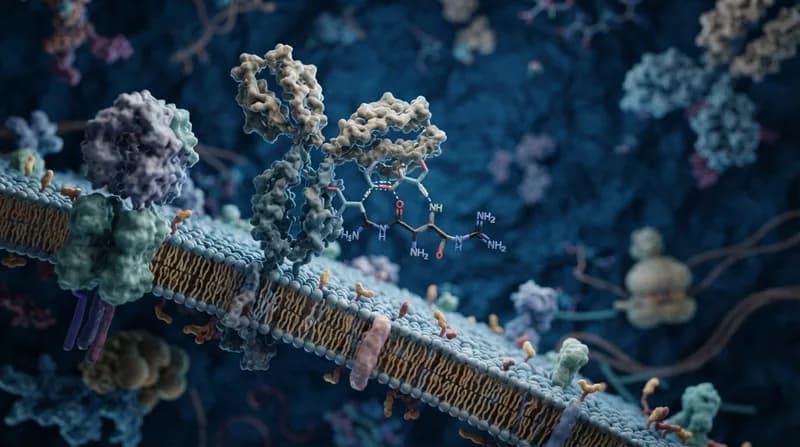
The core of the research involves the MHC-I protein, an essential component of the body’s "warning system." These proteins are displayed on the surface of cells, presenting internal protein fragments to T cells. This process allows the immune system to verify that a cell is healthy; if the MHC-I display shows fragments of viral or cancerous material, T cells are alerted to neutralize the threat. When arginine is scarce, however, the production of MHC-I stalls.
The study found that because MHC-I proteins require a high concentration of arginine for assembly, a deficiency causes the cellular machinery—specifically ribosomes—to stall during protein synthesis. Without sufficient arginine, cells cannot complete the construction of these critical signaling proteins, effectively allowing cancerous or infected cells to remain invisible to the immune system. Providing arginine, even in amounts comparable to standard over-the-counter supplements, was found to restore the production of these molecular warning signals, re-enabling the immune system's detection capabilities.
Evidence in Colon Cancer and Viral Models
The research team conducted extensive testing on mice to determine the tangible effects of arginine supplementation on disease outcomes. In models of colon cancer, mice on low-arginine diets experienced higher tumor growth, whereas those provided with increased dietary arginine showed significantly reduced tumor formation. This suggests that arginine does not merely alter the behavior of individual cancer cells, but rather optimizes the immune system's ability to act against the cancer at a systemic level.
The benefits extended to viral infections as well. Researchers investigated the impact of arginine on mice infected with influenza and SARS-CoV-2. In both instances, high-arginine intake resulted in less severe symptoms. Remarkably, the benefits were observed even when arginine was introduced after the infection had already set in, indicating that the nutrient can influence immune performance during the active course of an illness. This suggests that the impact of nutrient availability on gene expression is far more dynamic and immediate than scientists previously hypothesized.
Why It Matters
- Boosting Immunotherapy: Arginine supplementation could potentially be used in tandem with existing cancer immunotherapies, which rely on the immune system successfully recognizing cancer cells.
- Combating Aging: Because arginine levels naturally decline with age—a time when immune defenses often weaken—supplementation might serve as a preventative measure for older populations.
- Affordability: As an inexpensive and widely available amino acid, arginine could be a low-cost, accessible intervention compared to many high-priced pharmaceutical developments.
While these findings represent a significant breakthrough, researchers emphasize that further human clinical trials are essential to determine the safety and efficacy of therapeutic arginine supplementation. Future studies will aim to confirm whether the protective effects observed in mice translate into clear clinical benefits for humans, potentially leading to new, simple, and effective strategies for disease prevention and treatment.