The Chemistry of Digestion and Cancer Risk
For decades, researchers have puzzled over the complex relationship between dietary habits and the development of stomach-related illnesses. Central to this investigation are nitrates and nitrites—compounds prevalent in processed meats like bacon and salami, as well as in certain fruits and vegetables affected by environmental pollutants. While these compounds serve physiological functions, they often undergo a process known as nitrosation once they enter the acidic environment of the stomach. This chemical reaction is widely suspected of creating carcinogenic byproducts that elevate cancer risk.
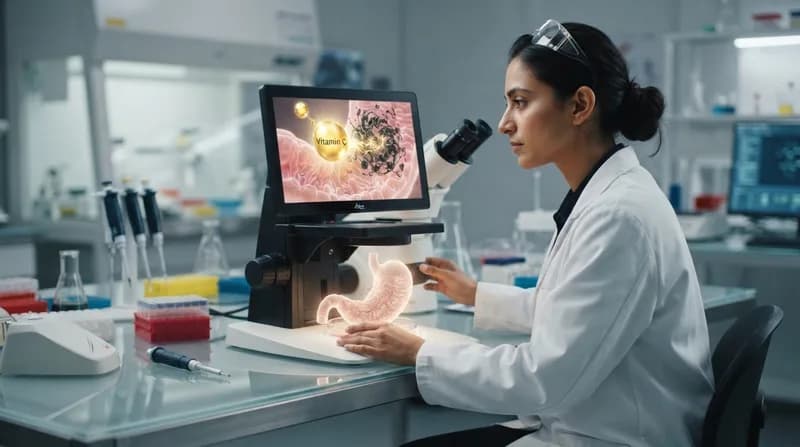
A recent breakthrough from the University of Waterloo has introduced a sophisticated mathematical model that sheds new light on this process. By simulating how these compounds navigate the digestive tract—from the salivary glands down to the bloodstream—the research team has identified a potential, and surprisingly simple, inhibitor: Vitamin C. The findings, published in the Journal of Theoretical Biology, offer a potential mechanism to explain why certain foods containing nitrates, such as nutrient-rich leafy greens, may not carry the same health risks as processed meats.
Why Vitamin C Matters for Gut Health
The core of this discovery lies in how Vitamin C interacts with the digestive environment. When present alongside nitrates and nitrites, the vitamin appears to interfere with the specific chemical reactions that lead to the formation of harmful nitrosation products. Essentially, the model indicates that the antioxidant properties of Vitamin C act as a protective barrier, preventing these compounds from transforming into substances that could promote oncogenic growth.
Key Findings of the Mathematical Model
- Inhibitory Effect: Vitamin C acts as a chemical blockade, significantly reducing the probability of nitrosation during the digestive process.
- Timing is Everything: The model suggests that supplementing with Vitamin C after consuming nitrate-heavy meals could serve as a proactive strategy for health maintenance.
- The Leafy Green Paradox: The study helps clarify why nitrate-rich vegetables are generally considered healthy; the natural co-occurrence of Vitamin C in these plants likely mitigates the chemical dangers posed by the nitrates they contain.
- Systemic Mapping: The model accounts for the complex interaction between the oral microbiome, stomach acidity, and blood plasma levels, providing a comprehensive roadmap for future clinical research.
Implications for Future Cancer Research
While the results are derived from advanced mathematical simulations rather than direct clinical trials, they provide an invaluable "mechanistic roadmap" for the medical community. Dr. Anita Layton, a key researcher on the project, notes that this work shifts the focus toward targeted interventions. By understanding the precise drivers—such as antioxidant intake, meal timing, and gastric pH levels—scientists can design far more effective experiments to test these variables in human populations.
The outlook for this discovery is significant, as it suggests that modest, non-invasive adjustments to dietary habits could potentially lower systemic cancer risks. As researchers move toward clinical applications, this study paves the way for a more nuanced, evidence-based approach to nutrition, where meal composition and the timing of nutrient intake are treated as vital components of digestive health. While further human studies remain necessary to confirm these findings, the model provides a compelling foundation for future preventative strategies in oncology and nutritional science.