The Anatomy of an Export Boom
The Chinese automotive industry is currently navigating a tale of two markets. At home, manufacturers are locked in a brutal price war amid a shrinking consumer base, with passenger vehicle sales declining roughly 25% year-over-year as of August. Yet, this domestic cooling has done nothing to dampen the nation’s industrial output. Instead, Chinese automakers have successfully pivoted their excess manufacturing capacity toward the global stage, turning the country into an export powerhouse for electric and electrified vehicles.
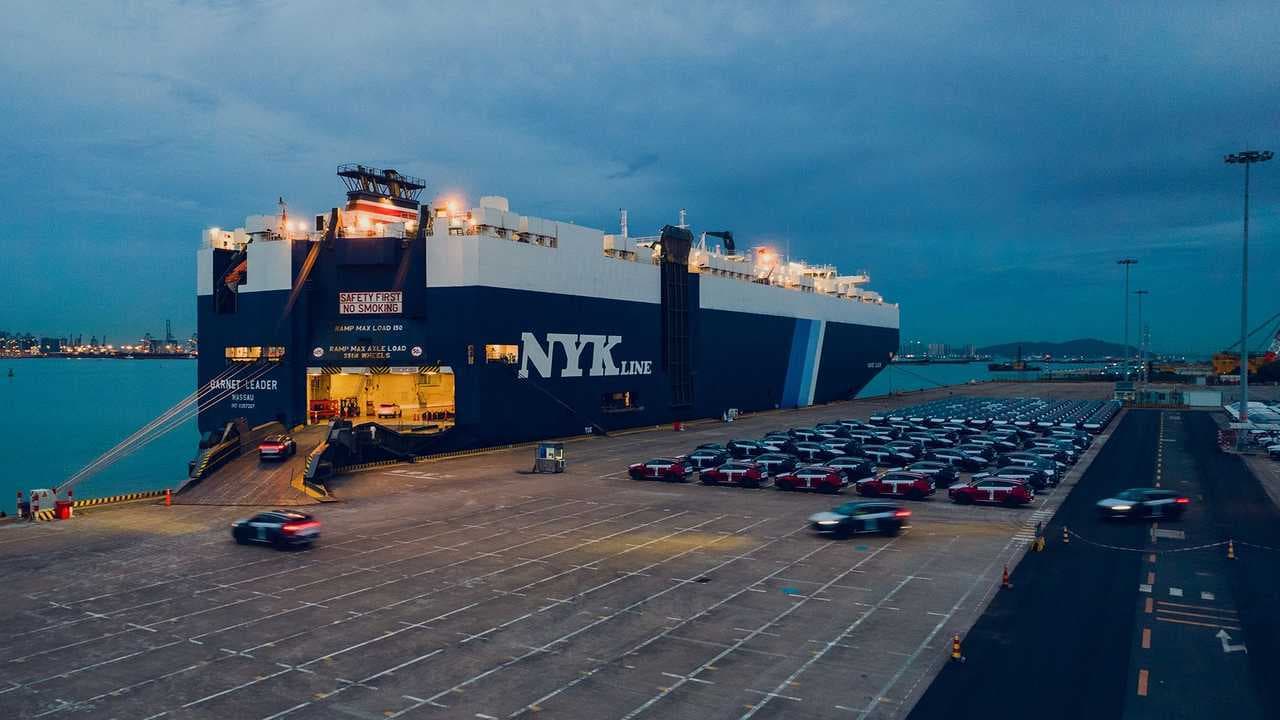
As of August, China has already shipped 6.2 million vehicles abroad, successfully eclipsing the total export volume achieved for the entirety of the previous calendar year. This surge represents a 67.1% jump in monthly exports for August alone, highlighting the speed at which brands like BYD and Geely are capturing international market share. For these companies, the international market is not just a secondary outlet; it is a vital strategy to maintain profitability, as they can command higher margins abroad compared to the razor-thin margins found in their intensely competitive home market.
The Strategic Pivot to Electrification
The primary catalyst for this record-breaking performance is the proliferation of EV and PHEV models. While gas-powered vehicles struggle to maintain relevance in many markets, China has positioned itself as the dominant source for accessible, high-tech plug-in vehicles. By offering an staggering variety of models—reaching as many as 650 new vehicle configurations this year alone—Chinese brands are filling a void that legacy automakers in Europe and elsewhere have been slow to address.
The impact is being felt globally, from the streets of Latin America to the suburban driveways of Australia. In Australia specifically, Chinese-branded vehicles now represent nearly one-third of the total car market. This dominance is driven by a combination of rapidly improving vehicle quality, modern design, and highly competitive pricing, which continues to appeal to consumers even in regions where protective tariffs are being considered or implemented.
Why It Matters: Global Market Dynamics
- Margin Preservation: By exporting, Chinese firms escape the "race to the bottom" price war occurring within China, allowing for healthier fiscal reports.
- Infrastructure Maturity: The focus on EVs and hybrids aligns with the global push toward carbon reduction, making Chinese models more palatable for governments with aggressive climate targets.
- Geopolitical Friction: The massive influx of Chinese vehicles has triggered protective responses, including 100% tariffs in the United States and ongoing discussions in the EU regarding the taxation of plug-in hybrids.
- Capacity Utilization: Exporting allows manufacturers to keep their massive production facilities running at optimal levels, effectively spreading out R&D costs over a much larger, global customer base.
The Road Ahead
Looking forward, the long-term sustainability of this export dominance remains a point of contention. While markets lacking a strong domestic auto industry are proving to be eager adopters of Chinese technology, traditional automotive strongholds are constructing complex regulatory barriers. From potential bans in the U.S. to evolving tariff structures in Europe, the regulatory environment is becoming increasingly hostile. However, as long as Chinese manufacturers continue to prioritize high-tech, attractively priced plug-in models, the global appetite for their vehicles shows little sign of waning, setting the stage for a protracted shift in international automotive leadership.