The Rise of Autonomous Transit in Croatia
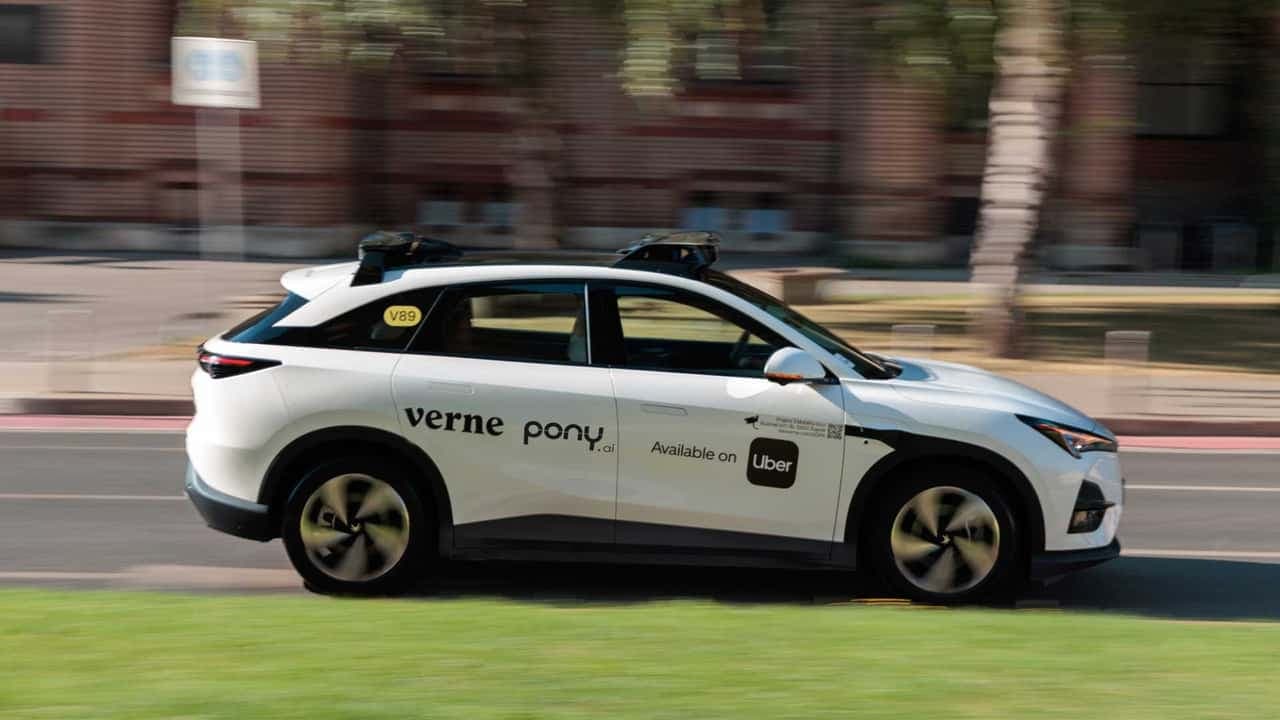
The landscape of European urban mobility shifted significantly this week as Verne, an autonomous ride-hailing startup backed by the engineering prowess of Rimac, officially launched the continent’s first truly driverless robotaxi service. Operating in the heart of Zagreb, Croatia, this deployment represents a massive leap forward from previous test programs. Unlike other regional initiatives that rely on human safety drivers to monitor operations, the Verne fleet is operating without any human intervention behind the steering wheel, marking a critical transition toward full autonomy.
This ambitious project is the result of a strategic partnership with Pony.ai, a prominent Chinese autonomous driving firm. By integrating Pony.ai’s advanced navigation and decision-making software into their vehicle fleet, Verne has managed to successfully navigate a 22-kilometer route connecting the startup’s headquarters to the Zagreb airport and key business districts. The service, now accessible through the Uber app, signals that the era of human-supervised robotaxis in Europe is beginning to yield to purely autonomous systems.
The Vehicle: Arcfox Alpha T5
The foundation of this service is the Arcfox Alpha T5, a sophisticated electric crossover sourced from China. To tailor the vehicle specifically for a robotaxi experience, Verne has implemented significant modifications that prioritize passenger comfort and utility over traditional driver-centric design. The most notable change is the complete removal of the front passenger seat. By eliminating this component, the interior is transformed into a lounge-like space, offering rear-seat passengers exceptional legroom and a more open, airy cabin environment.
Technology integration is equally prominent. In place of the front seat’s backrest, Verne has installed a massive, high-definition display tailored for passenger engagement. This screen acts as a central hub, providing real-time transit information, route updates, and entertainment options such as streaming video and integrated gaming. This setup creates a dedicated 'third space' environment where commuters can work, relax, or remain entertained during their journey without the constraints of a standard vehicle layout.
Why It Matters
The shift to fully driverless operations in Zagreb serves as a proving ground for the rest of Europe. While cities like London have seen the introduction of robotaxis, many have relied on human supervisors as a mandatory safety backstop. By removing that human element, Verne and Pony.ai are proving that autonomous systems are reaching a level of maturity capable of navigating complex urban environments independently. This milestone forces a conversation about regulatory readiness, infrastructure requirements, and the future of public transportation across the European Union.
Future Outlook
While the Arcfox Alpha T5 is currently doing the heavy lifting, Verne has teased a much more futuristic vision for its long-term operations. The company is currently developing a custom-built, purpose-designed vehicle that promises to push the boundaries of luxury mobility. This upcoming model aims to feature unconventional design elements, including panoramic glass roofs, advanced sliding door mechanisms, and cinema-grade interior displays. As Verne continues to refine its software and hardware integration, this purposeful, bespoke robotaxi will likely serve as the final piece in their strategy to redefine how European urbanites navigate their cities, moving away from car ownership and toward a seamless, on-demand autonomous future.