E-BUZZ ME Logo
ScienceTechnical Deep Dive

Cave Artifacts Suggest Cultural Exchange Between Neanderthals and Homo Sapiens

Published
Cave Artifacts Suggest Cultural Exchange Between Neanderthals and Homo Sapiens
1 min read144 words

The Gist

New findings at a Turkish coastal cave indicate that Neanderthals and early humans may have shared cultural practices and tool-making techniques.

Recent archaeological discoveries at a cave on the Turkish Mediterranean coast are providing fresh insights into the relationship between Neanderthals and early Homo sapiens. Evidence suggests that the site was occupied sequentially by both species, yet the transition shows a surprising level of continuity.

Shared Traditions Across Species

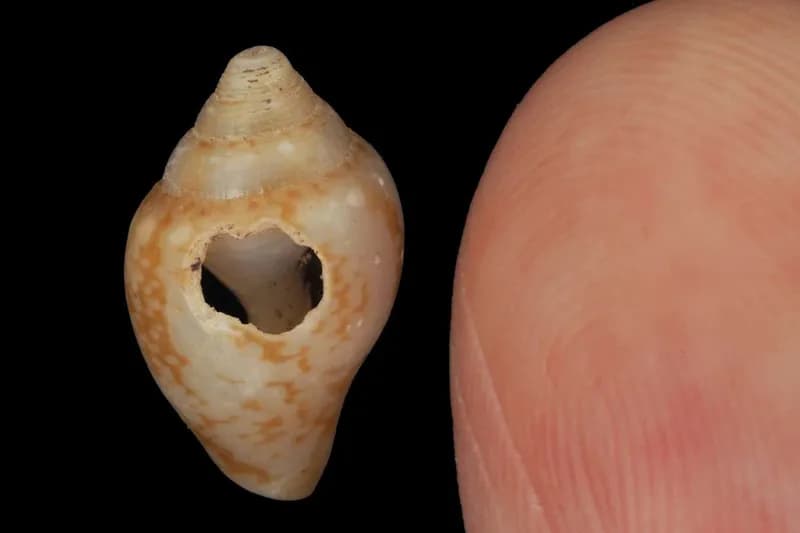
Researchers analyzing the site found that despite the change in inhabitants, the styles of tools and personal objects remained remarkably consistent. This continuity suggests that rather than a total cultural replacement, there may have been a direct exchange of knowledge or a blending of traditions between the two groups.

The findings challenge the traditional view of a sharp divide between Neanderthal and human capabilities. By examining the persistence of specific craftsmanship techniques, scientists believe this site serves as a rare example of cultural overlap, indicating that these two distinct lineages interacted more deeply than previously thought.


Related Stories

Semantically matched articles, ranked by topic overlap and freshness.

Ancient Egyptian Ape Fossil Challenges Established Human Evolutionary Timeline
Science69%

Ancient Egyptian Ape Fossil Challenges Established Human Evolutionary Timeline

A newly discovered fossil in northern Egypt suggests the ancestors of modern apes and humans may have emerged in North Africa rather than East Africa.

New Giant Salamander Species Identified from 3.5-Million-Year-Old Japanese Fossils
Science67%

New Giant Salamander Species Identified from 3.5-Million-Year-Old Japanese Fossils

Researchers have identified a new genus and species of giant salamander, Limnospondylus ajimuensis, from fossils originally discovered over two decades ago.

China’s Tianwen-1 Orbiter Captures Rare Footage of Interstellar Comet 3I/ATLAS
Science62%

China’s Tianwen-1 Orbiter Captures Rare Footage of Interstellar Comet 3I/ATLAS

The Tianwen-1 Mars orbiter has successfully imaged the interstellar visitor 3I/ATLAS, providing a rare look at material originating from outside our solar system.

NASA’s Deep Space Network Threatened by Wildfire
Science61%

NASA’s Deep Space Network Threatened by Wildfire

One of the three critical communication stations enabling NASA to talk to deep space missions is currently facing a direct threat from an active wildfire.

Self-Repairing Bio-Textiles: Scientists Create Clothing From Living Fungi
Science61%

Self-Repairing Bio-Textiles: Scientists Create Clothing From Living Fungi

Researchers have developed a revolutionary biodegradable textile using the parasitic fungus Cordyceps militaris that can clean and repair itself.

Unprecedented Warming: Earth's Current Climate Shift Outpaces Geological History
Science60%

Unprecedented Warming: Earth's Current Climate Shift Outpaces Geological History

New analysis of Earth's climate history reveals that the current rate of global warming is faster than any previously recorded geological event.

Longevity-Linked APOE2 Gene Found to Shield Brain from Aging and Alzheimer’s
Science60%

Longevity-Linked APOE2 Gene Found to Shield Brain from Aging and Alzheimer’s

Researchers have discovered that the APOE2 gene variant protects neurons by reducing DNA damage and enhancing stress recovery, offering a potential blueprint for new Alzheimer’s therapies.

Sweden Explores Rare Earth Deposits to Challenge Global Supply Dominance
Science60%

Sweden Explores Rare Earth Deposits to Challenge Global Supply Dominance

Researchers are mapping Sweden's mineral wealth to create magnets from natural element combinations, aiming to reduce reliance on Chinese exports.