E-BUZZ ME Logo
ScienceTechnical Deep Dive

A New Generation of Tests to Measure Brain Health

Published
A New Generation of Tests to Measure Brain Health
1 min read164 words

The Gist

Researchers are developing advanced diagnostic tools to determine if lifestyle changes and medical interventions are effectively maintaining cognitive health.

As the global population ages, the quest to maintain cognitive function has become a central focus of modern science. While individuals often adopt new diets, exercise routines, and mental puzzles to keep their brains sharp, a critical question remains: how do we actually measure the effectiveness of these efforts?

Quantifying Cognitive Longevity

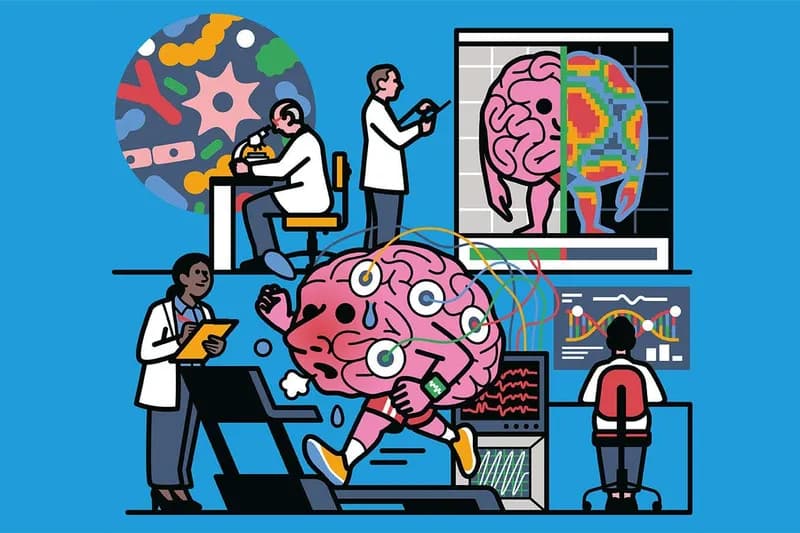
Science journalist Helen Thomson highlights an emerging field of diagnostic testing designed to move beyond traditional memory assessments. These new tests aim to provide a more granular look at brain health, offering data-driven insights into whether specific interventions are yielding tangible biological results.

From Subjective Feeling to Objective Data

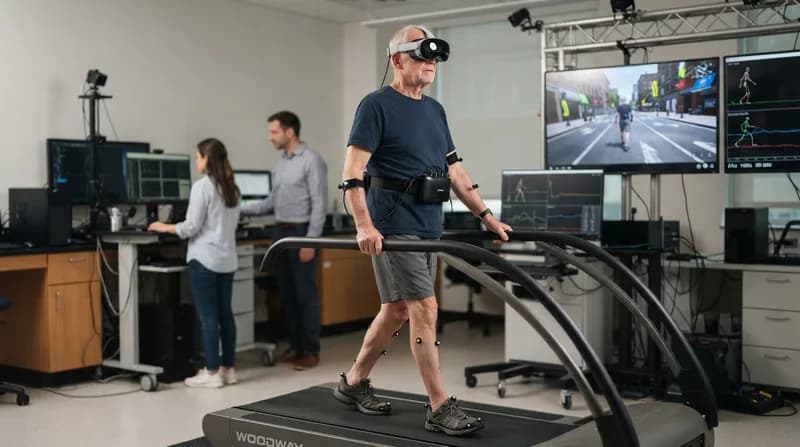
The new generation of brain health tests utilizes a combination of digital biomarkers, advanced neuroimaging, and blood-based protein analysis. By identifying early signs of cognitive decline or improvement, these tools allow individuals and clinicians to pivot strategies in real-time. This shift toward objective measurement represents a significant step in personalized medicine, turning brain health from a matter of guesswork into a quantifiable metric.

Related Stories

Semantically matched articles, ranked by topic overlap and freshness.

Longevity-Linked APOE2 Gene Found to Shield Brain from Aging and Alzheimer’s
Science70%

Longevity-Linked APOE2 Gene Found to Shield Brain from Aging and Alzheimer’s

Researchers have discovered that the APOE2 gene variant protects neurons by reducing DNA damage and enhancing stress recovery, offering a potential blueprint for new Alzheimer’s therapies.

U.S. Schools Struggle with Concussion Support for Returning Students
Science65%

U.S. Schools Struggle with Concussion Support for Returning Students

A new study reveals that many public schools lack the necessary policies and staff training to support students recovering from concussions.

Biological Age Linked to Weight Loss Success in New Study
Science61%

Biological Age Linked to Weight Loss Success in New Study

A recent study suggests that individuals with a biological age younger than their chronological age may lose more weight when following calorie-restricted diets.

Sulfur-Based Compound Identified as Potential Breakthrough for Aging Muscle Repair
Science61%

Sulfur-Based Compound Identified as Potential Breakthrough for Aging Muscle Repair

Researchers have discovered a compound named LASSS that protects proteins essential for muscle recovery, offering hope for combating age-related muscle loss.

Introducing HELMET: A New Benchmark for Long-Context Language Models
Artificial Intelligence61%

Introducing HELMET: A New Benchmark for Long-Context Language Models

Researchers have unveiled HELMET, a holistic evaluation framework designed to rigorously test how AI models handle massive amounts of data and long-form sequences.

Cognition Acquires Poke to Enhance AI Interaction Models
Artificial Intelligence60%

Cognition Acquires Poke to Enhance AI Interaction Models

Cognition has acquired Poke to integrate its unique conversational style into the Devin coding agent, signaling a shift toward AI personality as a core differentiator.

Sweden Explores Rare Earth Deposits to Challenge Global Supply Dominance
Science60%

Sweden Explores Rare Earth Deposits to Challenge Global Supply Dominance

Researchers are mapping Sweden's mineral wealth to create magnets from natural element combinations, aiming to reduce reliance on Chinese exports.

AI Aids Stanford Researchers in Discovering Natural Weight Loss Molecule
Science60%

AI Aids Stanford Researchers in Discovering Natural Weight Loss Molecule

Stanford scientists have identified a natural molecule that mimics the weight-loss effects of Ozempic with fewer side effects by targeting specific brain regions.