Scaling Global Logistics
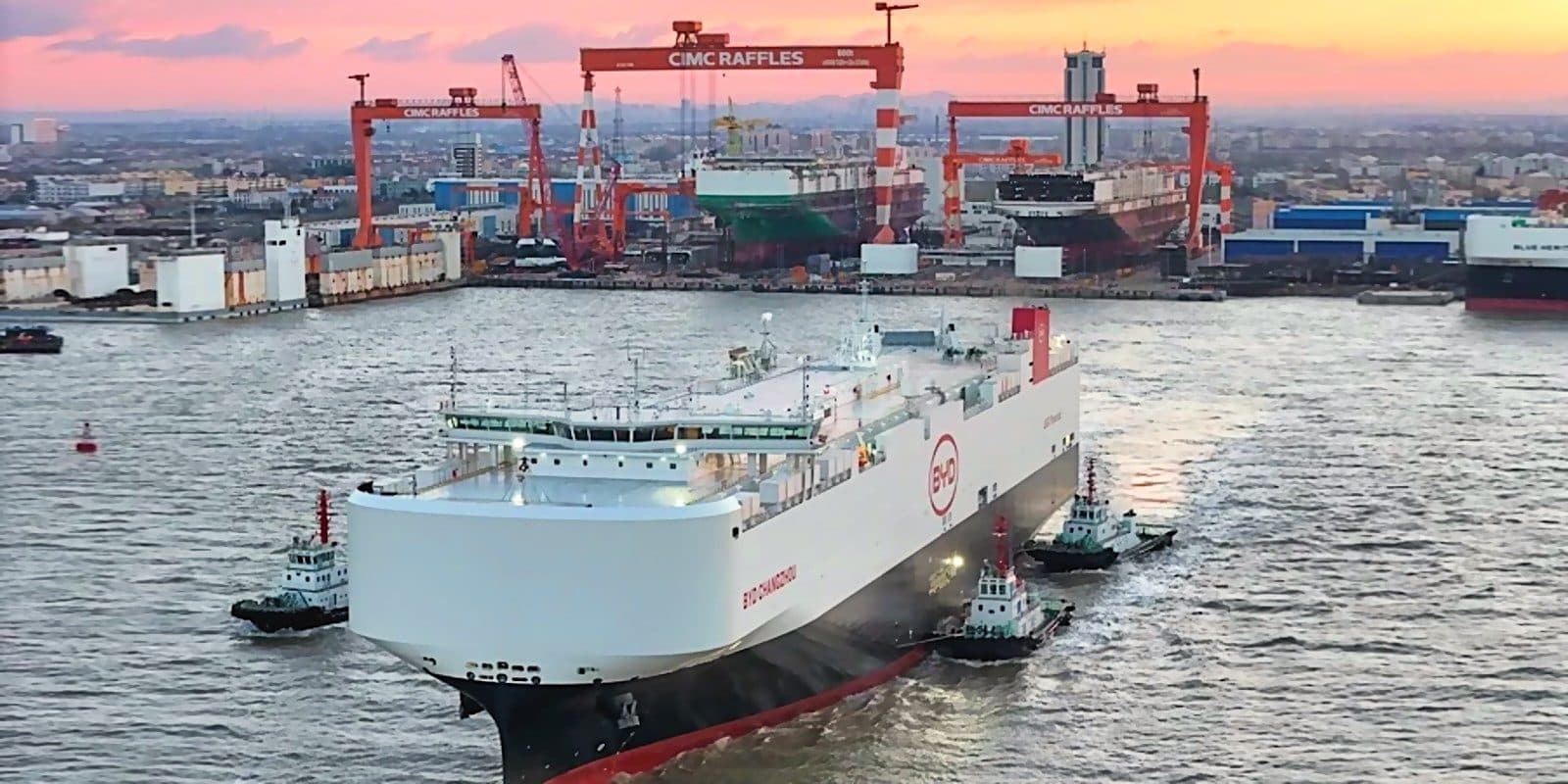
In a strategic maneuver that highlights the massive scale of its export ambitions, BYD has officially placed an order for ten additional car-carrying vessels. This decision comes barely a year after the company acquired the world’s largest car carrier, signaling a definitive shift in how the Chinese EV powerhouse intends to manage its global distribution channels. By owning its maritime fleet, BYD is effectively bypassing the volatility and rising costs of the international shipping market, ensuring its vehicles reach international ports with greater predictability.
Why it Matters
The reliance on third-party logistics has historically been a bottleneck for EV exporters facing rapid growth. BYD's move serves as a blueprint for vertical integration in the automotive sector. Key implications of this massive fleet expansion include:
- Supply Chain Sovereignty: Direct control over transit times and vessel availability reduces dependence on external logistics partners.
- Cost Efficiency: Owning the means of transport allows for optimized route planning and reduced overhead during high-volume shipping periods.
- Market Responsiveness: A dedicated fleet enables BYD to scale exports to emerging markets in Europe, Southeast Asia, and South America with unprecedented speed.
An Aggressive Export Outlook
The automotive landscape is undergoing a logistical transformation as manufacturers compete for limited shipping capacity. With these ten new ships, BYD is not just delivering cars—it is building an industrial moat that keeps its vehicles moving while competitors struggle to secure space on commercial carriers. This expansion underscores the company’s intent to maintain its current momentum as the world’s leading EV seller. As these specialized vessels join the fleet, we can expect to see a more consistent, high-volume flow of BYD products hitting international markets, further challenging incumbent automakers globally. The sheer scale of this investment marks a new chapter in EV logistics, where the infrastructure of delivery is becoming as vital as the battery technology itself.