Revolutionizing Data Curation for AI
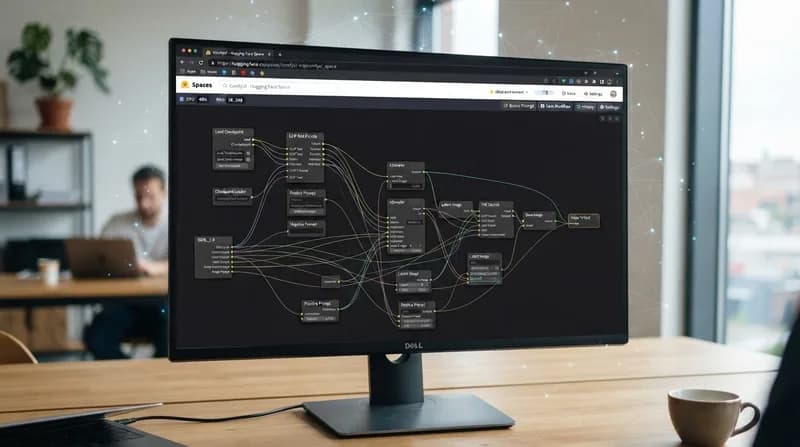
In the rapidly evolving world of Large Language Models (LLMs), the quality of instruction tuning data is the invisible hand guiding model performance. Recognizing that data curation remains a significant bottleneck for developers, a new collaborative initiative between Argilla and Hugging Face is set to transform how communities build datasets. By leveraging Hugging Face Spaces, this integration empowers teams to build, refine, and iterate on massive datasets with unprecedented efficiency.
Instruction tuning is no longer just about volume; it is about precision. The new framework allows users to deploy Argilla directly within the Hugging Face ecosystem, creating a seamless bridge between data collection and model training. This move is designed to lower the barrier to entry for smaller teams and individual researchers who want to contribute high-fidelity data to the open-source community, effectively decentralizing the development of high-performing AI.
Why It Matters
- Community-Driven Quality: By enabling collective labeling and verification, datasets become more robust and less prone to systemic biases found in static, single-source collections.
- Workflow Integration: The synergy between Argilla’s interface and Hugging Face's infrastructure minimizes the friction previously associated with complex data pipelines.
- Standardization: This approach promotes a standardized methodology for instruction tuning, which is essential for benchmarking models against the latest research, such as the widely referenced 2024 survey on data selection.
As the industry pivots toward smaller, more specialized models, the ability to curate clean, domain-specific instruction data becomes the ultimate competitive advantage. This partnership ensures that the open-source community remains at the forefront of AI development by fostering a collaborative environment where data quality is treated as a first-class citizen of the model-building lifecycle. By simplifying the technical hurdles, these tools provide a cleaner, more accessible pathway for anyone looking to refine the foundational knowledge of next-generation models.