The Evolution of Osteoarthritis Care
For millions suffering from the degenerative effects of osteoarthritis, the progression of care has historically been frustratingly linear: start with physical therapy and medication, endure the temporary relief of steroid injections, and eventually face the prospect of a major, invasive total knee replacement. Now, a clinical breakthrough known as Genicular Artery Embolization (GAE) is emerging as a critical "middle ground" for patients who have exhausted non-surgical options but are not yet candidates for, or are apprehensive about, intensive surgery.
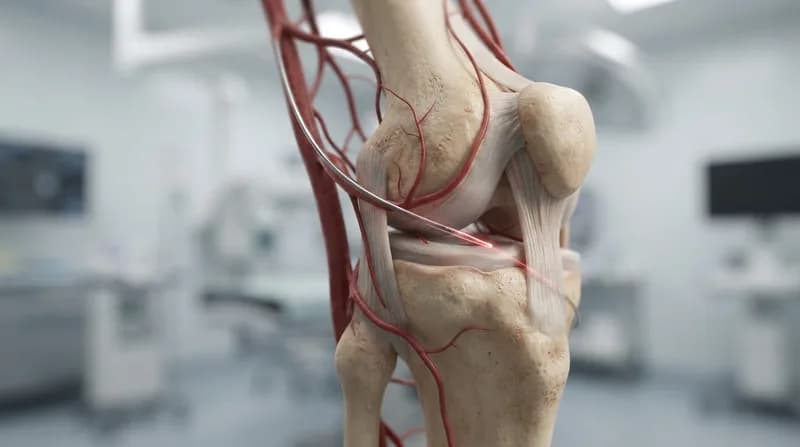
GAE is a minimally invasive, outpatient procedure performed by vascular interventional radiologists. By utilizing precise, image-guided technology, physicians target the specific blood vessels supplying blood to inflamed areas within the knee joint. By restricting flow to these abnormal vessels, the procedure effectively mitigates chronic inflammation, which is the primary driver of the pain, stiffness, and reduced mobility associated with knee osteoarthritis.
How the Procedure Transforms Recovery
The technical process of GAE is designed for efficiency and patient comfort. Unlike the lengthy recovery cycles associated with joint replacement, GAE is performed under conscious sedation rather than general anesthesia. Surgeons create a minuscule incision in the leg crease and, utilizing X-ray imaging and contrast dye, guide a thin catheter to the genicular arteries. Once positioned, specialized micro-beads are released to block the targeted vessels, suppressing the inflammatory response at its source.
Clinical outcomes have been striking. Data suggest that approximately 70% of patients experience significant pain reduction, with many reporting their pain scores cut in half or eliminated entirely. Beyond the immediate relief, the longevity of these results is compelling; studies from Japan and domestic research in the U.S. indicate that symptom relief can last between two and four years, potentially delaying the need for surgical intervention for a significant duration.
Why it Matters: The Future of Interventional Radiology
- Minimal Downtime: Because no joint components are replaced and no large incisions are made, patients typically head home on the same day as their procedure.
- FDA Momentum: Several devices utilized in GAE have been granted "breakthrough device status" by the FDA, reflecting the high medical value placed on providing non-surgical alternatives to aging populations.
- Expanding Horizons: The success of GAE in knee treatment is prompting researchers to explore its efficacy for other persistent, inflammation-driven conditions, including frozen shoulder, tennis elbow, and plantar fasciitis.
- Research-Backed Validation: Current clinical trials at institutions like the University of Colorado Anschutz School of Medicine are using advanced imaging to observe changes in joint fluid, confirming that the treatment is fundamentally altering the biological environment of the knee.
As the healthcare industry continues to prioritize patient-centric, less invasive options, GAE represents a major leap forward in musculoskeletal medicine. While not a permanent replacement for joint surgery in every patient, it serves as a powerful tool to bridge the clinical void, allowing patients to maintain their quality of life, stay active, and avoid the risks and lengthy recovery times inherent in traditional orthopedic surgery.