The Mystery of PSC-Associated Bowel Disease
For years, medical professionals have been puzzled by a stark discrepancy in patient outcomes between two seemingly similar conditions. Primary sclerosing cholangitis (PSC), a chronic liver disease that impacts the bile ducts, is often accompanied by an inflammatory bowel disease (IBD) that visually mirrors ulcerative colitis. However, despite the symptoms appearing less severe in PSC patients, these individuals face a colorectal cancer risk three times higher than those with standard ulcerative colitis. This clinical paradox has now been partially unraveled by a team from the Garvan Institute of Medical Research.
Using advanced diagnostic techniques, researchers have determined that these two conditions are fundamentally different at the cellular level. This discovery suggests that current 'one-size-fits-all' treatment approaches may be insufficient for PSC patients, emphasizing the urgent need for a more nuanced, biology-driven approach to medical intervention and patient monitoring.
The Discovery of Invisible Inflammation
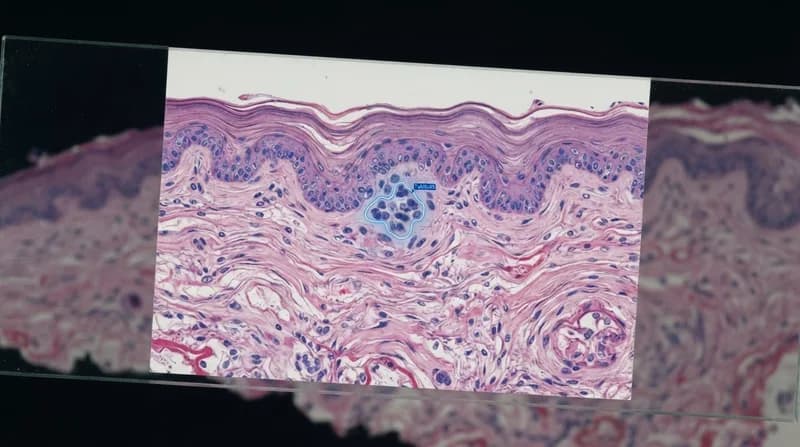
The research team employed cutting-edge methodologies, including single-cell sequencing, spatial mapping, and detailed microbiome analysis, to compare biopsy tissue from patients with PSC-associated IBD, ulcerative colitis, and healthy control groups. What they uncovered was a form of 'invisible' inflammation that standard colonoscopy and pathologist inspections consistently missed.
Even in tissue segments that appeared healthy under traditional observation, the researchers identified a concerning accumulation of cytotoxic—or cell-killing—immune cells. This persistent, low-level immune activity exists even when patients are in clinical remission. The team posits that this background cellular activity is a primary driver of the elevated colorectal cancer risk observed in this patient population. By mapping these hidden immune signatures, researchers can now point to the specific regions of the colon that require heightened clinical attention.
The Role of Mast Cells
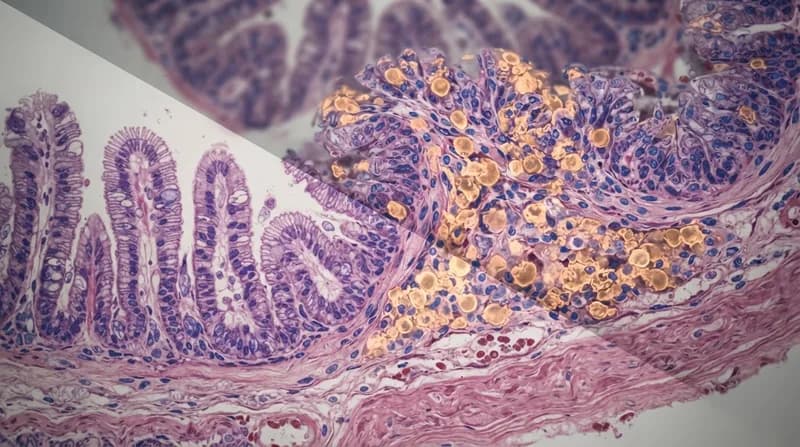
Beyond the background cellular activity, the study also provided new insights into what happens during active disease flare-ups. The research team identified a unique population of mast cells that surge during periods of inflammation. Historically, these cells have been difficult to study because they are delicate and often degraded during standard sample processing. By developing specialized tissue-handling protocols, the Garvan team was able to preserve and analyze these mast cells in real-time.
The gene expression profile of these cells suggests they play a direct role in creating an environment conducive to cancer development during inflammation. This finding serves as a critical biomarker, offering a new target for drug development. If clinicians can identify and mitigate the activation of these mast cell populations, they may be able to significantly lower the long-term cancer risk for PSC patients.
Why It Matters
- Targeted Therapy: Moving away from generic IBD treatments toward therapies that address specific immune dysfunctions unique to PSC.
- Early Detection: The possibility of developing new clinical diagnostic tools to detect 'invisible' inflammation before it escalates into malignancy.
- Biological Insights: Confirming that 'remission' requires true biological silence in the immune system, not just the absence of outward symptoms.
- Future Outlook: The researchers are currently utilizing patient-derived gut models to observe how these specific cellular changes directly influence the progression of cancerous growth.