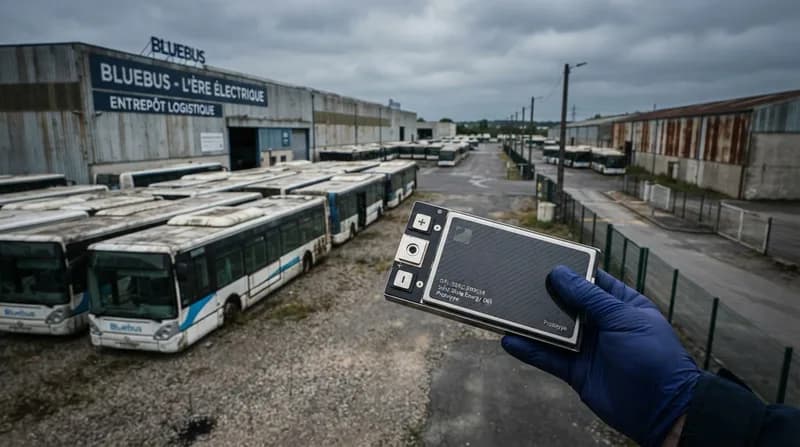
The End of an Era for Bluebus
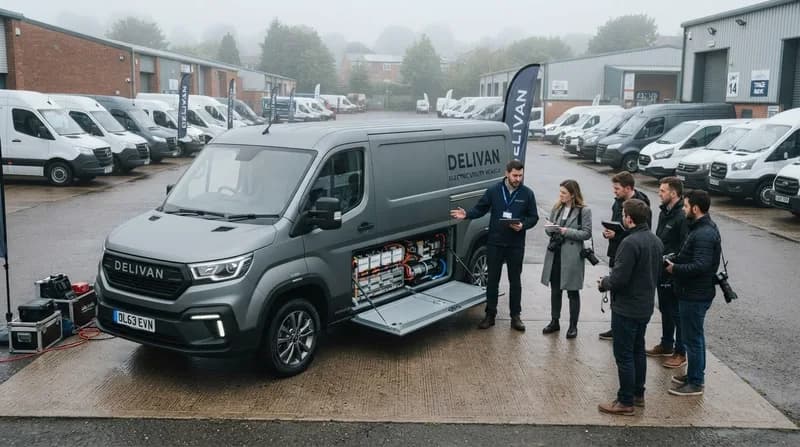
Bolloré, the French industrial conglomerate, has officially announced the cessation of its electric bus manufacturing division, Bluebus. Founded in 2011, the company served as a specialized player in the European public transport sector, delivering approximately 700 electric vehicles in six-meter and 12-meter configurations. Despite initial optimism, the division struggled to gain the necessary market scale to remain competitive against larger, established global bus manufacturers.
While the company cited a lack of operational volume as the primary driver for this strategic shift, the brand's history was marred by high-profile safety challenges. In 2022, Paris-based transit operator RATP suspended its fleet of 149 Bluebus units following multiple fire incidents involving battery components. Subsequent investigations pointed to short circuits stemming from improperly installed insulation within the battery packs. Although service was eventually resumed in 2024, the damage to the company’s reputation and the ongoing burden of scale proved to be insurmountable obstacles.
Refocusing on Battery Innovation
The closure of the vehicle assembly line does not signal a total exit from the energy sector for the Bolloré Group. Instead, the company is pivoting resources toward its sister division, Blue Solutions, which focuses on advanced battery technology. The group is moving away from the vehicle integration business to concentrate exclusively on the development of fourth-generation (Gen4) solid-state lithium-metal polymer (LMP) batteries.
- Technological Goals: The Gen4 cells are engineered for operation at room temperature, a significant improvement over previous iterations.
- Performance Targets: The new battery architecture aims to support ultra-fast charging under 20 minutes and provide a 40% increase in energy density compared to earlier models.
- Scale and Investment: Blue Solutions is actively seeking strategic partners to fund the establishment of a dedicated gigafactory, with a target operational date set for 2029.
Why It Matters
The exit of Bluebus highlights the brutal economics of the electric bus industry, where hardware manufacturing is capital-intensive and margins are slim. For Bolloré, the decision reflects a broader trend among industrial firms: consolidating expertise into the most profitable or technologically promising components rather than maintaining a full-stack vehicle assembly line. By spinning off its R&D division and maintaining only a skeleton crew for the support of the 700 buses already in circulation, Bolloré is positioning Blue Solutions as a tier-one supplier for future vehicle makers, rather than a manufacturer struggling to compete in the crowded bus market.
Looking ahead, the success of the Blue Solutions pivot will hinge on the company’s ability to secure the necessary capital for its 2029 gigafactory plans. As the demand for solid-state batteries grows, proving that their Gen4 chemistry can reliably deliver the promised safety and charging speed will be the true test of this new strategic direction.