A New Blueprint for Freight Electrification
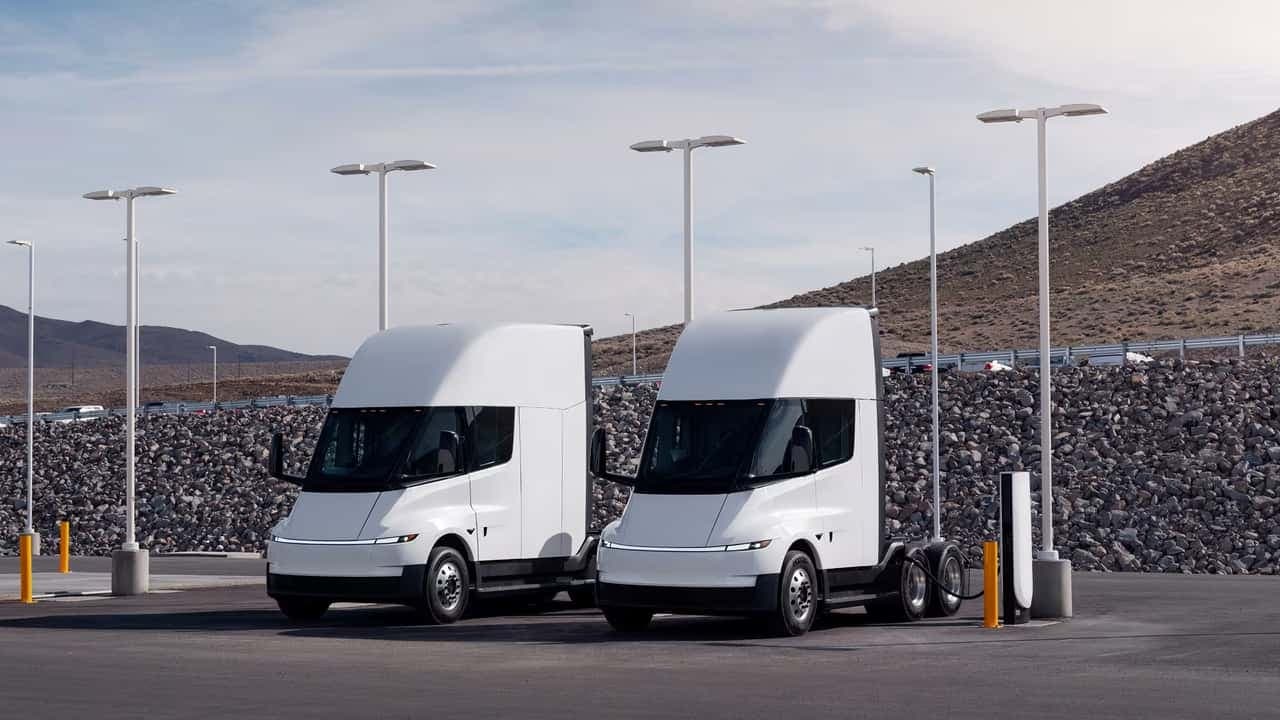
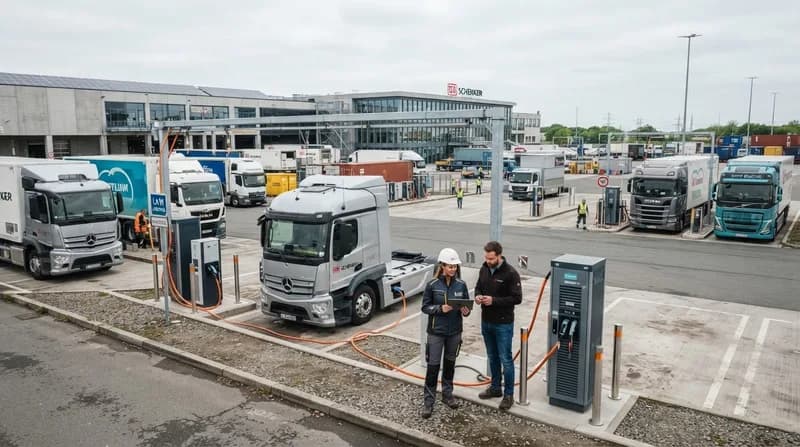
The German Federal Association for Freight Transport, Logistics and Disposal (BGL) has officially partnered with the tech startup Depotcharge to launch an ambitious, nationwide charging network specifically tailored for electric heavy-duty vehicles. By leveraging the existing footprints of thousands of logistics companies, the initiative aims to solve one of the most critical bottlenecks in the transition to zero-emission freight: the lack of accessible, high-power charging infrastructure along primary transport corridors.
The core concept centers on the utilization of underused or private charging capacity at logistics depots. Under this model, member companies can open their private charging hardware to other fleets, creating a collaborative ecosystem that benefits the entire industry. With the BGL representing roughly 7,000 companies, the potential for scaling this "semi-public" charging network is immense, effectively turning fragmented private infrastructure into a comprehensive grid.
How the Depotcharge Platform Works
Depotcharge serves as the digital backbone of this initiative. The platform is intentionally hardware-agnostic, meaning it is designed to communicate seamlessly with diverse charging systems, backend software, and various electric truck manufacturers. This flexibility is vital for the logistics sector, where companies often rely on a heterogeneous mix of equipment and fleet vehicles. The platform manages the entire operational lifecycle, including access control, automated billing, and secure payment processing.
Crucially, the system puts the power back into the hands of the operators. Each facility manager retains full control over the specific parameters of their charging points, including custom pricing, access restrictions, and hours of availability. This autonomy encourages more companies to participate, as they can ensure that their own fleet's operations are never compromised by external demand.
Scale and Future Outlook
The initial momentum is already significant. More than 200 companies operating roughly 600 electric trucks have already registered to participate. Furthermore, the network is set to expand rapidly through a strategic integration with E.L.V.I.S. AG, a massive purchasing cooperative that adds over 350 locations and 250 partner companies to the ecosystem. This expansion follows a successful pilot model implemented earlier this year in Switzerland, where the commercial vehicle association ASTAG launched its own branded version of the platform.
Looking ahead, the partnership has secured a €2.7 million pre-seed funding round led by High-Tech Gründerfonds. These funds are earmarked for rapid international expansion, with plans to establish a robust electric freight charging grid across the DACH region and the Benelux countries within the next two years. Future technical updates to the platform will focus on improving the user experience, including the addition of advanced reservation features, open API integration for third-party developers, and deep synchronization with existing transport management systems (TMS).
Why It Matters
- Operational Efficiency: It prevents the need for building redundant, expensive infrastructure by maximizing the utilization of existing, underused assets.
- Interoperability: By remaining hardware-agnostic, Depotcharge avoids the "walled garden" problem, allowing fleets of different makes and models to charge without software compatibility headaches.
- Strategic Scaling: Relying on existing freight hubs ensures that charging is available where trucks are already performing their work, rather than forcing drivers to navigate away from their established routes.