The Shift Toward Commercial Electrification
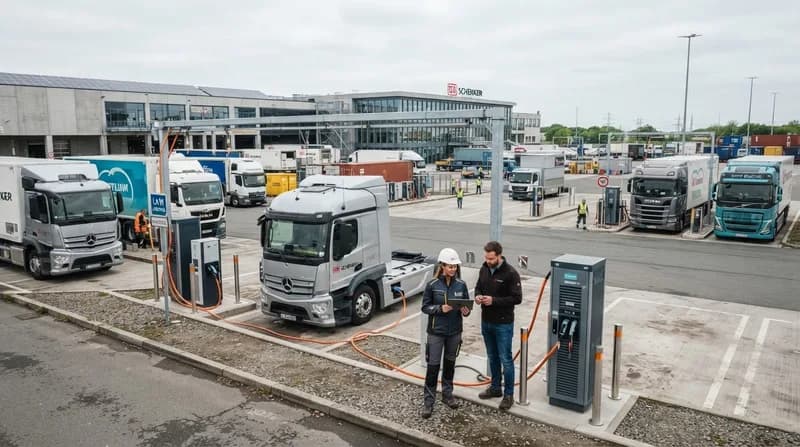
For fleet operators and logistics companies, the transition to electric mobility has historically been hindered by the cold, hard realities of commercial trucking: downtime equals lost revenue, and weight is money. While consumer-focused electric vehicles often highlight infotainment systems or sleek panoramic roofs, the commercial sector prioritizes cargo capacity, vehicle longevity, and charging speed. CATL, the global leader in battery manufacturing, is aiming to solve these specific pain points with the launch of its new Tectrans II modular battery architecture, unveiled at the recent IAA Transportation expo in Germany.
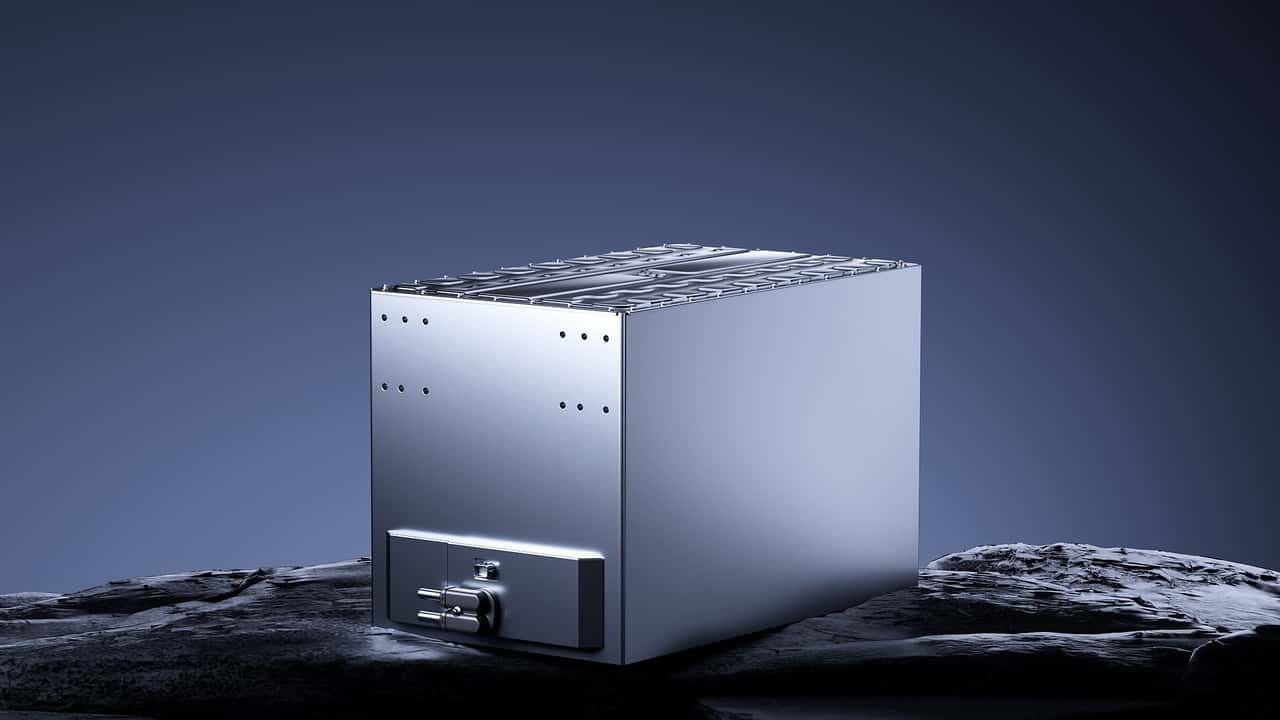
The Tectrans II Architecture
The Tectrans II system is designed with a clear goal: to be a drop-in replacement for the traditional diesel paradigm. The system boasts an impressive energy density of 170 Wh/kg—a 13% improvement over the current industry average for commercial EV battery systems. This density translates into a tangible advantage for fleet owners: it effectively sheds 1,325 pounds (0.6 tonnes) of dead weight compared to previous designs. That savings allows operators to haul more cargo per trip, directly addressing the primary revenue concern of trucking logistics.
Performance is equally robust, with the largest battery configuration offering up to 620 miles (1,000 kilometers) of range on a single charge. Perhaps more critically for the bottom line, the system supports megawatt-level charging. This enables the vehicle to recoup 80% of its battery capacity in just 25 minutes. In the context of long-haul trucking, this duration mirrors a standard driver rest break, virtually eliminating the downtime typically associated with recharging electric heavy-duty transport.
Durability and Long-Term Value
Beyond capacity and speed, the Tectrans II is built to survive the grueling realities of commercial duty cycles. CATL has engineered the system to retain 70% of its original capacity for at least 12 years or 930,000 miles (1.5 million kilometers). This level of lifespan ensures that the battery pack will likely outlive the initial chassis of the truck, offering a massive advantage in residual value and total cost of ownership.
The physical construction of the battery packs is equally focused on resilience. The modules are housed in an armored, crush-resistant casing designed to withstand the road abuse common in industrial applications. Internally, the architecture utilizes redundant battery management systems to ensure that even if one component suffers a failure, the truck can continue to operate safely, mitigating the risk of expensive mid-route breakdowns.
Why it Matters
- Operational Efficiency: By enabling an 80% charge in just 25 minutes, CATL removes the "charging anxiety" that forces trucks to stay off the road for hours.
- Increased Payload: The weight reduction of over 1,300 pounds allows fleet managers to offset the inherent weight of electric powertrains, making EVs financially viable for heavy hauling.
- Commercial Longevity: Engineering for 930,000 miles of operation acknowledges the long life-cycle requirements of semi-trucks, effectively neutralizing the "disposable battery" stigma often associated with older EV tech.
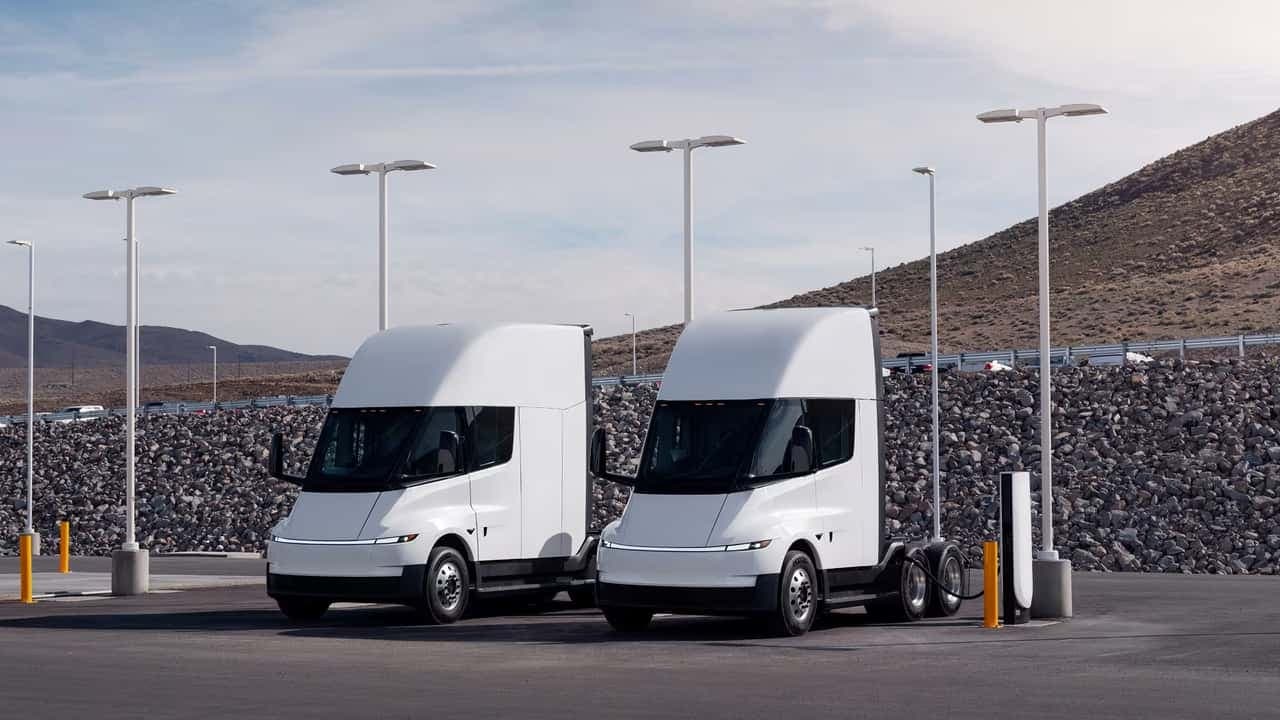
As competitors like Tesla continue to roll out their own semi-truck solutions and regions like China push aggressively toward electric fleet conversion, CATL's Tectrans II appears to be the backbone for a new era of logistics. By aligning charging performance and capacity with the rigorous demands of professional trucking, the industry is moving closer than ever to the true end of diesel dominance.