A Rare Observational Milestone
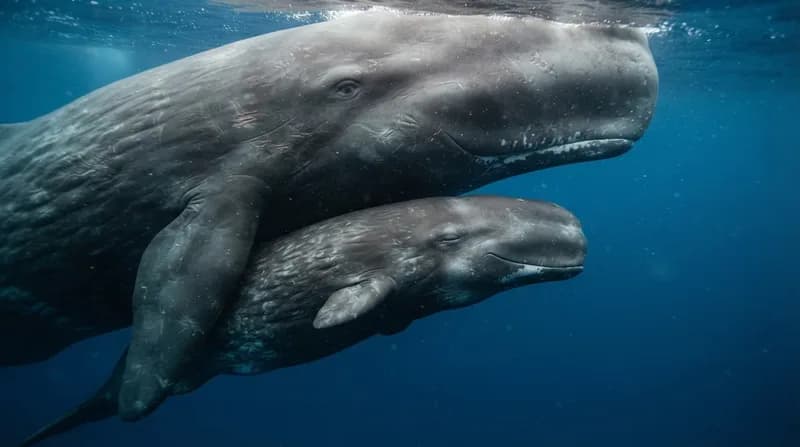
In a significant discovery for marine biology, researchers from Griffith University and the Sea World Foundation have documented a rare instance of a humpback whale mother exhibiting prolonged, attentive behavior toward her deceased calf. The incident, which occurred off the coast of Australia’s Gold Coast, saw the mother remaining in the immediate vicinity of her stillborn calf for several hours, with signs suggesting the vigil may have extended over several days.
While this type of post-mortem interaction—often categorized as grief-like behavior—is frequently documented in odontocetes (toothed whales and dolphins), it remains exceedingly rare among baleen whales like the humpback. The documentation of this event, published in the journal Discover Animals, provides a unique opportunity for scientists to examine the emotional depth and social intelligence of these massive creatures.
Understanding Maternal Attachment
Dr. Olaf Meynecke, head of the Whales and Climate Research Program at Griffith University, notes that the mother's actions were characterized by intense, consistent engagement. Unlike toothed whales, which have been observed physically manipulating their deceased offspring to bring them to the surface, this humpback mother maintained a quiet, constant presence, sustaining eye contact and positioning herself alongside the calf. These movements are consistent with natural caregiving and nurturing instincts, suggesting that the drive for maternal attachment persists even after the calf has perished.
For those witnessing the event in real-time, the experience was profoundly unexpected. Captain Andrew Mulville of the Sea World Foundation, who observed the interaction from a rescue vessel, initially mistook the pair for whales resting at the surface. It was only upon closer inspection that the gravity and unusual nature of the encounter became clear, marking a stark departure from typical surface-level whale behavior.
Why It Matters
- Cognitive Insight: Providing data on how non-human animals process death helps refine theories on animal consciousness and social cognition.
- Evolutionary Biology: Studying post-mortem attendance offers clues into the evolutionary development of social bonds in large marine mammals.
- Conservation Context: Understanding the emotional and social impacts of neonatal loss is crucial for assessing how environmental stressors might affect whale population health.
Implications for Future Research
The scientific community acknowledges that such events are exceptionally difficult to capture due to the vastness of the ocean and the elusive nature of whale social structures. However, this study underscores the necessity of systematic documentation when these rare encounters occur. By treating these neonatal mortality events as critical data points, researchers hope to build a more comprehensive understanding of the emotional complexities present in baleen whales.
Ultimately, this case study serves as a reminder that humpback whales possess social and emotional capacities that remain largely hidden from human observation. As climate and environmental factors continue to shift, ongoing research into how these giants respond to loss and social disruption will be essential for both biological studies and broader conservation efforts. This unique event highlights the profound connection between mother and calf, reinforcing the idea that the internal lives of these ocean giants are far more intricate than previously understood.