E-BUZZ ME Logo
Electric VehiclesTechnical Deep Dive

Xiaomi Reveals Custom AI Chip for Enhanced Driver Assistance in EVs

Published
EElectricBuzz Editorial Team
Xiaomi Reveals Custom AI Chip for Enhanced Driver Assistance in EVs
2 min read283 wordsElectricBuzz Editorial Team

The Gist

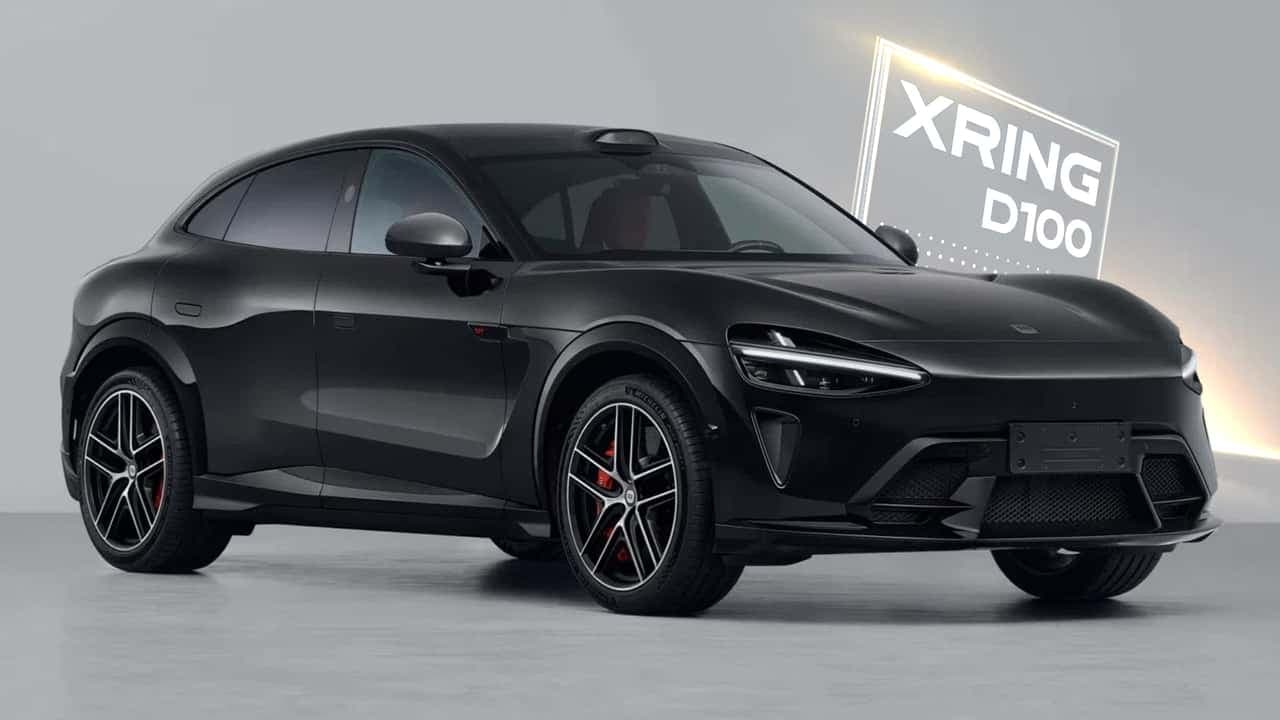
Xiaomi has unveiled its first in-house chip, the Xring D100, designed for intelligent driving, marking a shift away from reliance on Nvidia.

Xiaomi has announced the launch of its first custom AI chip, the Xring D100, aimed at enhancing driver assistance in electric vehicles (EVs). This move marks a significant transition for the company, reducing its dependence on Nvidia and other external chip suppliers.

Key Features of the Xring D100

  • Architecture: The chip incorporates a 20-core CPU and a 16-core NPU (Neural Processing Unit).
  • Memory: It claims to support up to 160GB of unified memory, allowing for sophisticated AI models to run directly within the vehicle.
  • Manufacturing Process: Built on a cutting-edge 3-nanometer process, Xiaomi positions itself as a leader among mainland Chinese manufacturers.

Xiaomi's investment in custom hardware has exceeded $3 billion, which not only includes the Xring D100 but also extends to the O100 AI acceleration chip for commercial production next year. This strategic shift aligns with a growing trend among Chinese automotive companies, such as BYD and Nio, that are increasingly looking to reduce reliance on U.S. technology amid rising component costs and geopolitical issues.

Performance Capabilities

The Xring D100 is designed to handle AI workloads with considerable heft. It can operate a 200-billion-parameter model, surpassing the current capabilities of Nvidia's Thor hardware, which offers a maximum of 128GB of memory. This enhancement signifies a leap in computational power for autonomous driving technologies.

Why It Matters

The introduction of the Xring D100 provides Xiaomi with better oversight regarding development timelines and costs. As the competition in the autonomous driving sector intensifies, having control over chip development may give the company a strategic advantage in speed and innovation.

Xiaomi’s move into chip manufacturing might encourage other tech firms to follow suit, potentially reshaping the landscape of the EV market in China and beyond.

Related Stories

Semantically matched articles, ranked by topic overlap and freshness.

Thessaloniki Expands Green Transit Fleet with 50 New Yutong E-Buses
Electric Vehicles

Thessaloniki Expands Green Transit Fleet with 50 New Yutong E-Buses

The Greek city of Thessaloniki has officially integrated 50 new electric articulated buses from Yutong into its public transport network, marking a significant milestone in the city's sustainable mobility strategy.

UK EV Market Surges: Electric Powertrains Outpace Gas in Landmark August Shift
Electric Vehicles

UK EV Market Surges: Electric Powertrains Outpace Gas in Landmark August Shift

Electric vehicles have officially become the top-selling powertrain in the UK, capturing a significant 30% market share as policy mandates and shifting consumer preferences drive the transition away from fossil fuels.

Schneider Electric Challenges Tesla With New Smart Home EV Charger
Electric Vehicles

Schneider Electric Challenges Tesla With New Smart Home EV Charger

Schneider Electric has launched a powerful new home EV charger that simplifies energy management by including dynamic load-balancing hardware right out of the box.

Decoding EV Battery Health: How Tesla Models Age Over 100,000 Miles
Electric Vehicles

Decoding EV Battery Health: How Tesla Models Age Over 100,000 Miles

A comprehensive study of 500,000 battery tests reveals how Tesla's popular electric vehicles hold up after nearly 100,000 miles of real-world driving.

UltraTech Cement Accelerates Industrial Decarbonization with 600+ New Electric Trucks
Electric Vehicles

UltraTech Cement Accelerates Industrial Decarbonization with 600+ New Electric Trucks

Cement giant UltraTech is staging a massive shift in logistics, deploying over 600 heavy-duty electric vehicles to slash emissions across its Indian supply chain.

Tesla’s Cybercab Hits Public Roads: A Quiet Evolution in Autonomous Transport
Electric Vehicles

Tesla’s Cybercab Hits Public Roads: A Quiet Evolution in Autonomous Transport

Tesla's steering-wheel-free Cybercab has begun transporting passengers in Austin, marking a major milestone in the shift toward fully autonomous, pedal-free ride-hailing.

Oslo Achieves Global Milestone: 48.8% of Passenger Cars Are Electric
Electric Vehicles

Oslo Achieves Global Milestone: 48.8% of Passenger Cars Are Electric

Oslo has become the world's most electrified city with 48.8% of passenger cars electric, utilizing over 3,500 AC charging plugs as the primary infrastructure rather than fast chargers, enabled by 2020 legislation granting apartment residents the right to install home chargers.

Tesla Cybercab Introduces Brake-By-Wire System Eliminating Traditional Hydraulics
Electric Vehicles

Tesla Cybercab Introduces Brake-By-Wire System Eliminating Traditional Hydraulics

Tesla's robotaxi eliminates brake lines and fluid, using individual electronic actuators at each caliper for the first time in mass production. The innovation reduces costs and enables independent wheel braking control.