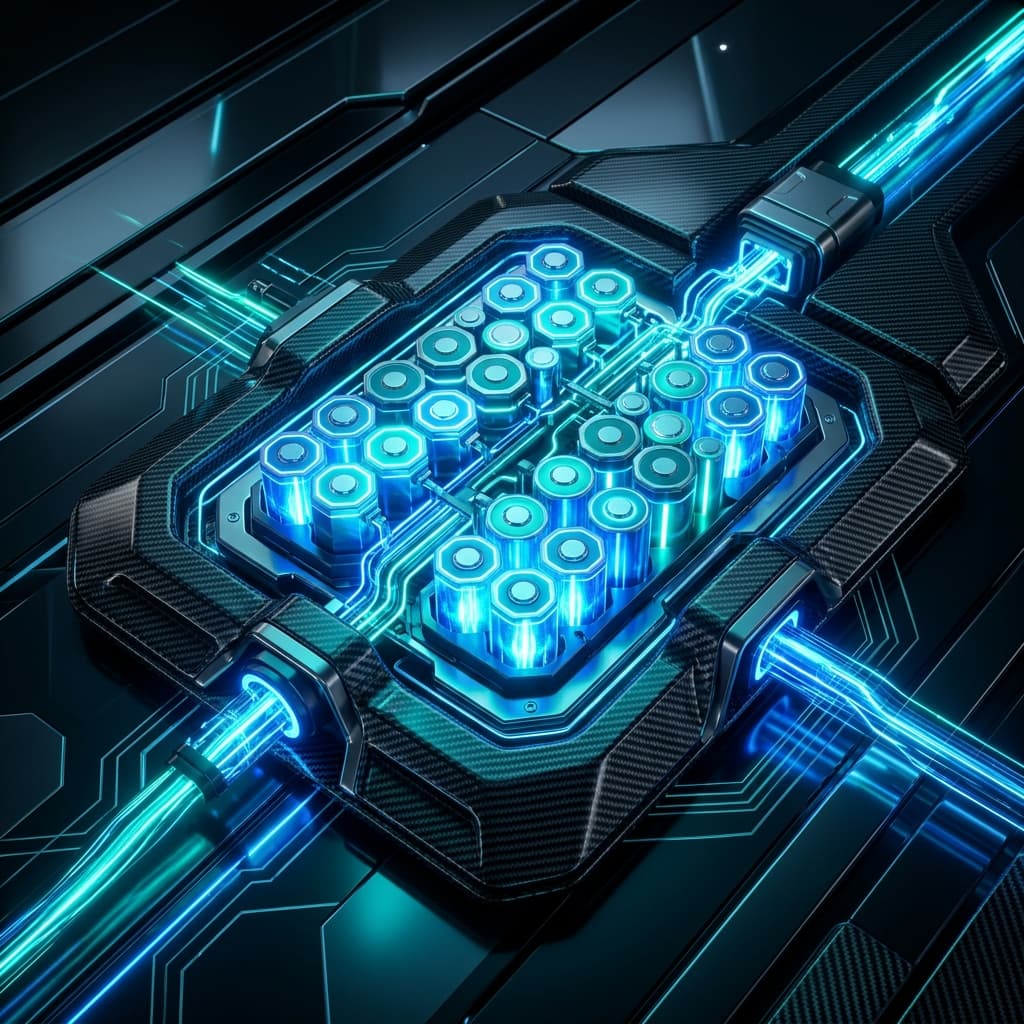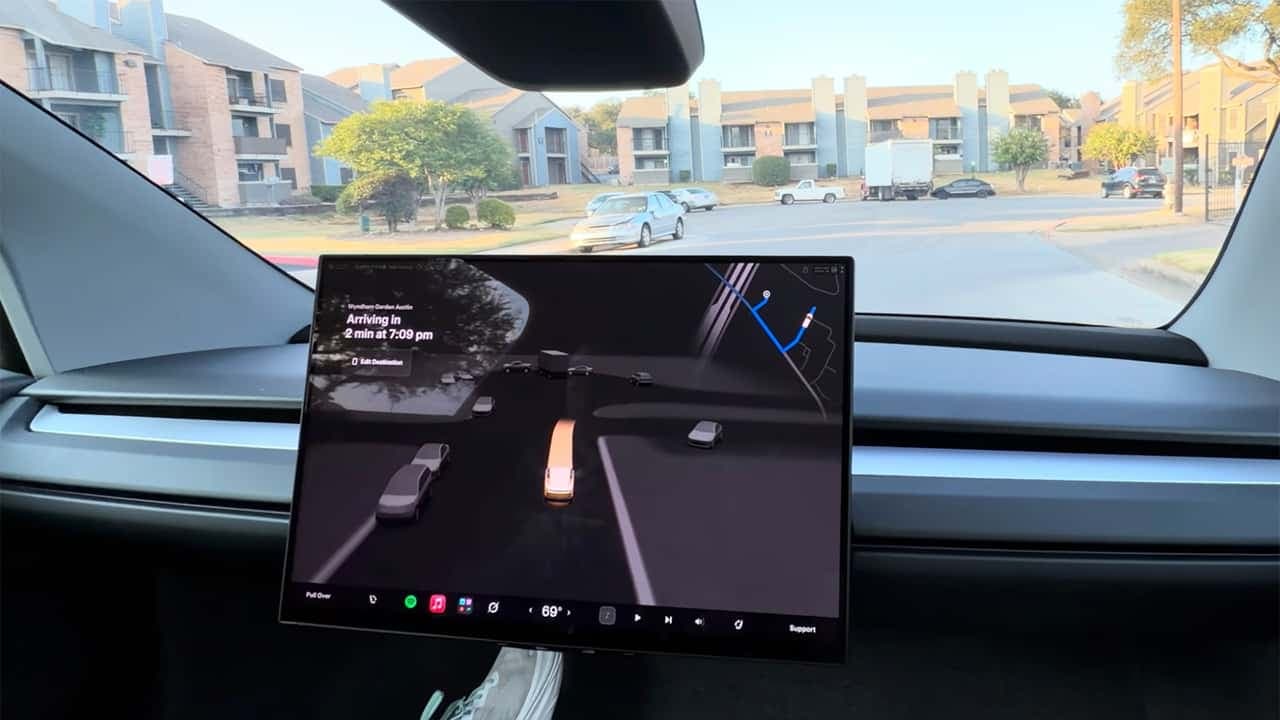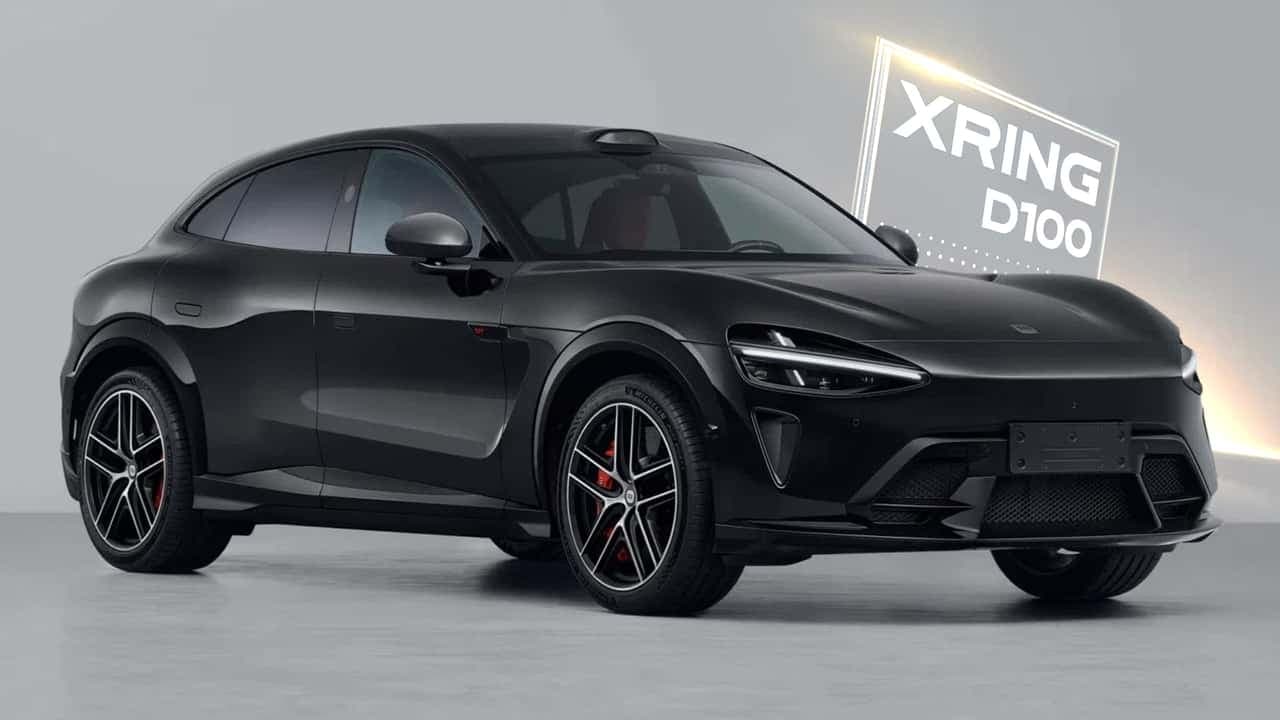
Xiaomi has officially unveiled its first custom chips, notably the Xring D100, as part of its strategy to enhance artificial intelligence-driven driver-assistance features in its electric vehicles (EVs). This significant step marks a bold move to reduce the company's reliance on Nvidia's technology and signifies a hefty investment of over $3 billion into home-grown silicon.
Key Features of the Xring D100
- The Xring D100 chip is equipped with a powerful 20-core CPU and a 16-core Neural Processing Unit (NPU), tailored specifically for intelligent driving applications.
- Manufactured using a cutting-edge 3-nanometer process, the D100 supports up to 160GB of unified memory, enabling complex AI models to run directly on the device.
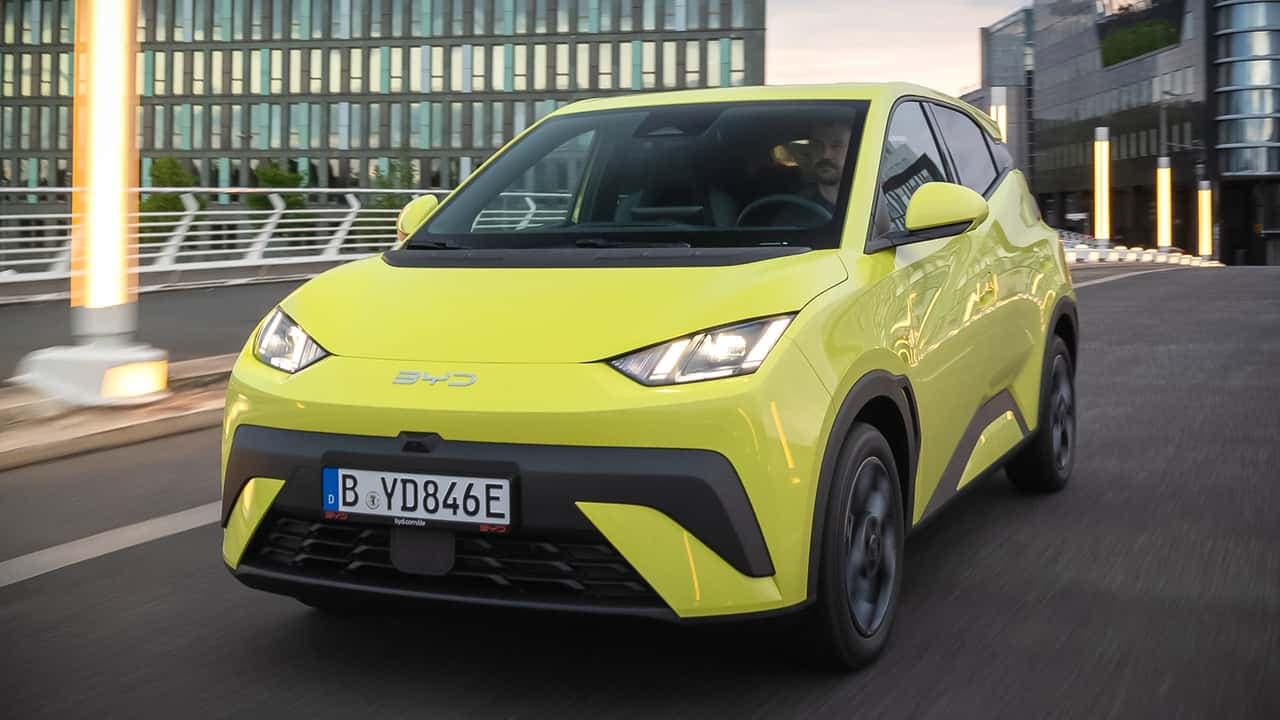
Xiaomi's pivot to in-house chips reflects a broader trend within the Chinese EV market. Manufacturers like BYD and Nio are also investing in their own silicon to lower costs and achieve greater technological independence. This move comes amid increased global competition for advanced AI-capable chips.
Previously, Xiaomi's models, such as the SU7 and YU7, relied on Nvidia's Drive Thor and Orin hardware. This dependency had tethered the company to American technology, particularly during a time of escalating demand for autonomous driving capabilities.
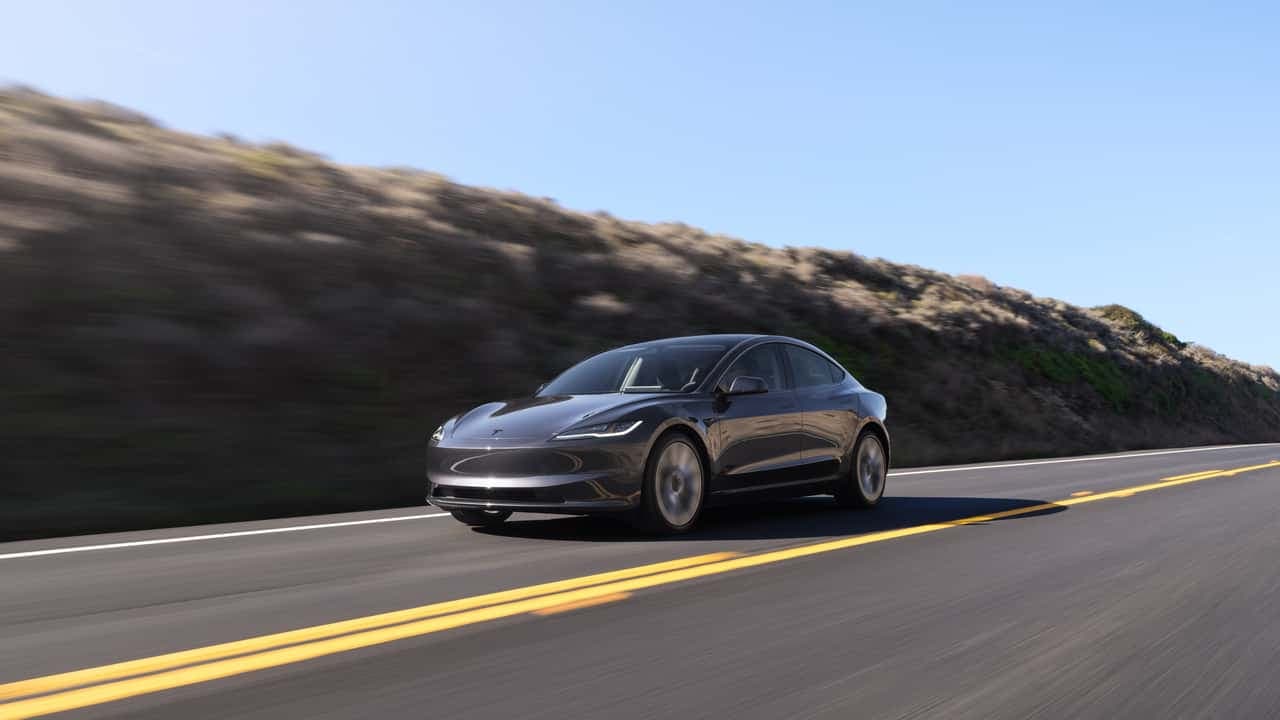
The competitive landscape further intensifies as other EV manufacturers like Rivian and Tesla have also developed proprietary chips. Tesla’s advanced systems utilize a 7nm process, highlighting the race among automakers to gain technological edge in the realm of autonomous driving.
Why It Matters
This shift not only positions Xiaomi as a more self-sufficient player in the EV market but also points to a future where more Chinese companies leverage in-house technologies to compete on a global scale. As the demand for AI-driven features in vehicles rises, the development of custom chips may become a critical aspect of strategic differentiation among EV brands.