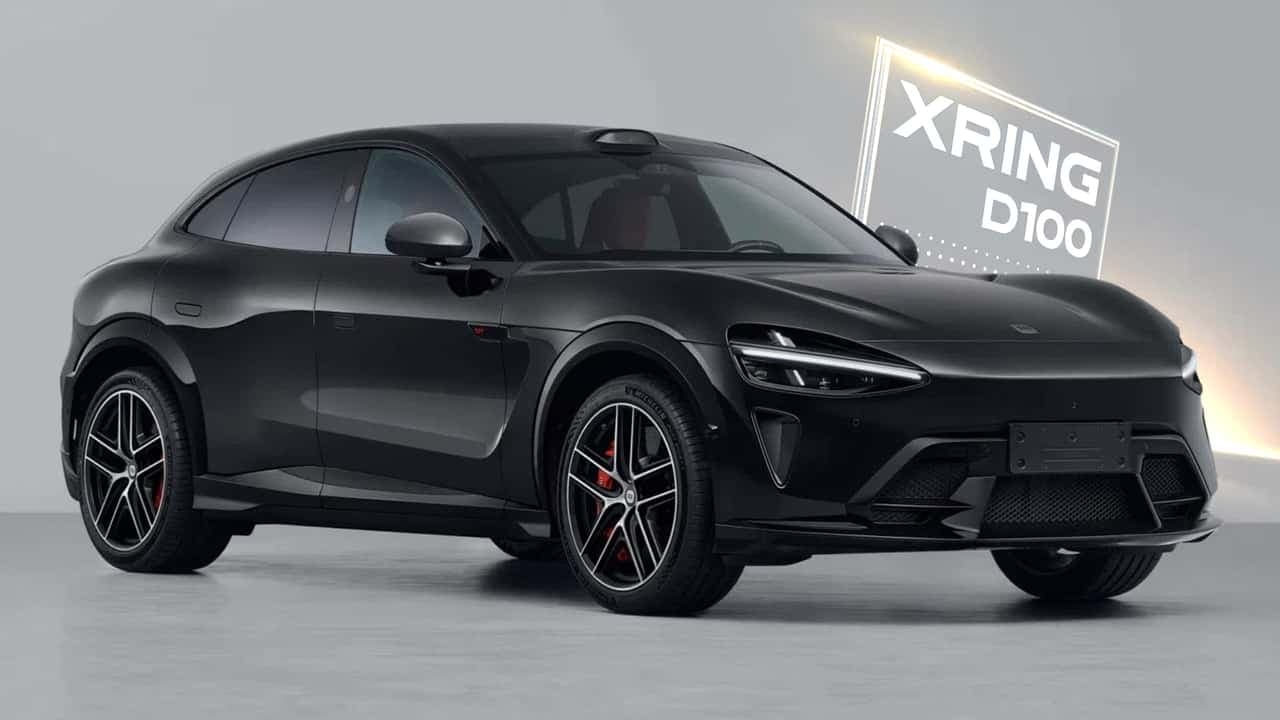
Xiaomi has officially launched its first in-house AI chip, the Xring D100, targeting advancements in autonomous driving technologies. This development signifies a strategic pivot for the company as it aims to minimize its dependence on U.S.-based components, specifically Nvidia's chips.
Key Features of the Xring D100
- The Xring D100 is equipped with a 20-core CPU and a 16-core Neural Processing Unit (NPU).
- This chip is notable for being the first produced in mainland China utilizing a 3-nanometer process.
- It supports up to 160 GB of unified memory, allowing operation of models with up to 200 billion parameters.
Xiaomi's investment into this new technology is significant, totaling over $3 billion, which also encompasses projects related to the O100 AI chip and O3 System-on-Chip (SoC) for mobile devices. This emphasizes Xiaomi's commitment to achieving self-sufficiency in technology, particularly in the rapidly evolving EV landscape.
Industry Context
This strategic transition aligns with broader trends in the automotive sector, as other Chinese manufacturers like BYD and Nio are also developing in-house chip solutions. This is primarily driven by the rising costs and disruptions associated with global supply chains, urging automakers to take control over their hardware needs.
Though Xiaomi has not shared specific performance metrics regarding the operational capacity of the D100 in terms of Tera Operations Per Second (TOPS), the introduction of this chip signals a competitive landscape as automakers race to create proprietary hardware designed to enhance driving autonomies.
This move not only strengthens Xiaomi's position in the EV market but also showcases its push towards engineering independence amidst a geopolitical climate that is increasingly scrutinizing technology supply chains.