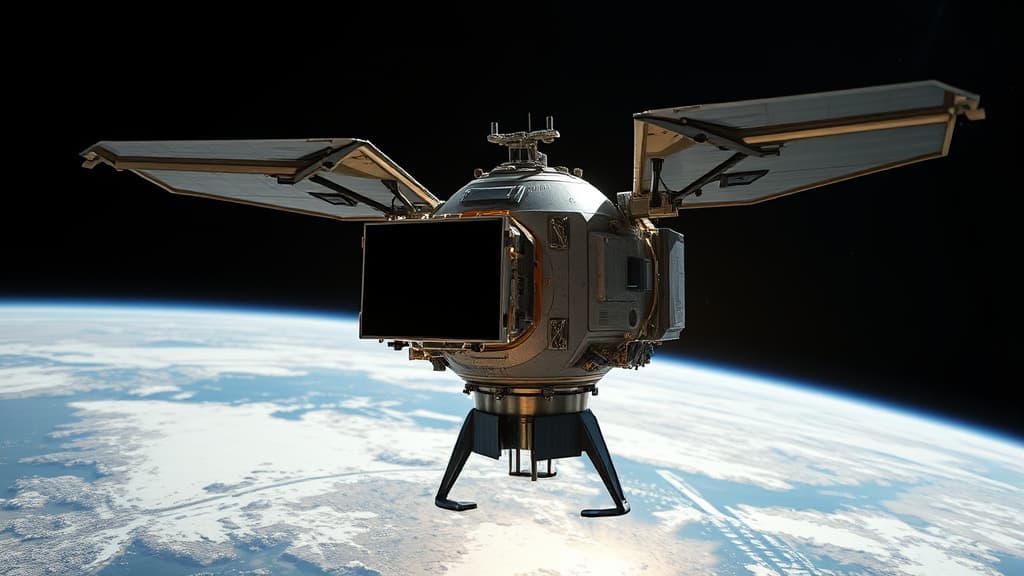
NASA has achieved a major breakthrough with its FALCON navigation system, which enables autonomous space vehicles to navigate without reliance on GPS. This innovative system was recently tested during NASA's Starling mission, showcasing its capability to reference over 200 space objects within just three days.
Key Features of the FALCON System
- FALCON combines EraDrive's software with advanced onboard star tracking technology, greatly enhancing navigation accuracy in orbit.
- The system utilizes a catalog of about 20,000 space objects from the U.S. Department of War to improve object tracking and navigation.
- This marks the first time a spacecraft has calculated its orbit based solely on observations of other spacecraft and orbital debris.
- The success of the FALCON system demonstrates its potential for future autonomous satellite networks and improved space traffic management.
This capability is particularly critical for future missions in environments such as the Moon and deep space, where GPS signals are either weak or non-existent. The implications of FALCON extend beyond navigation; with enhanced autonomous navigation capabilities, it opens doors to more advanced space traffic management and collision avoidance strategies.
The successful demonstration of the FALCON system represents a significant step forward in NASA’s efforts to promote autonomy in space exploration, reducing reliance on Earth-based systems and increasing the safety and efficiency of future missions.