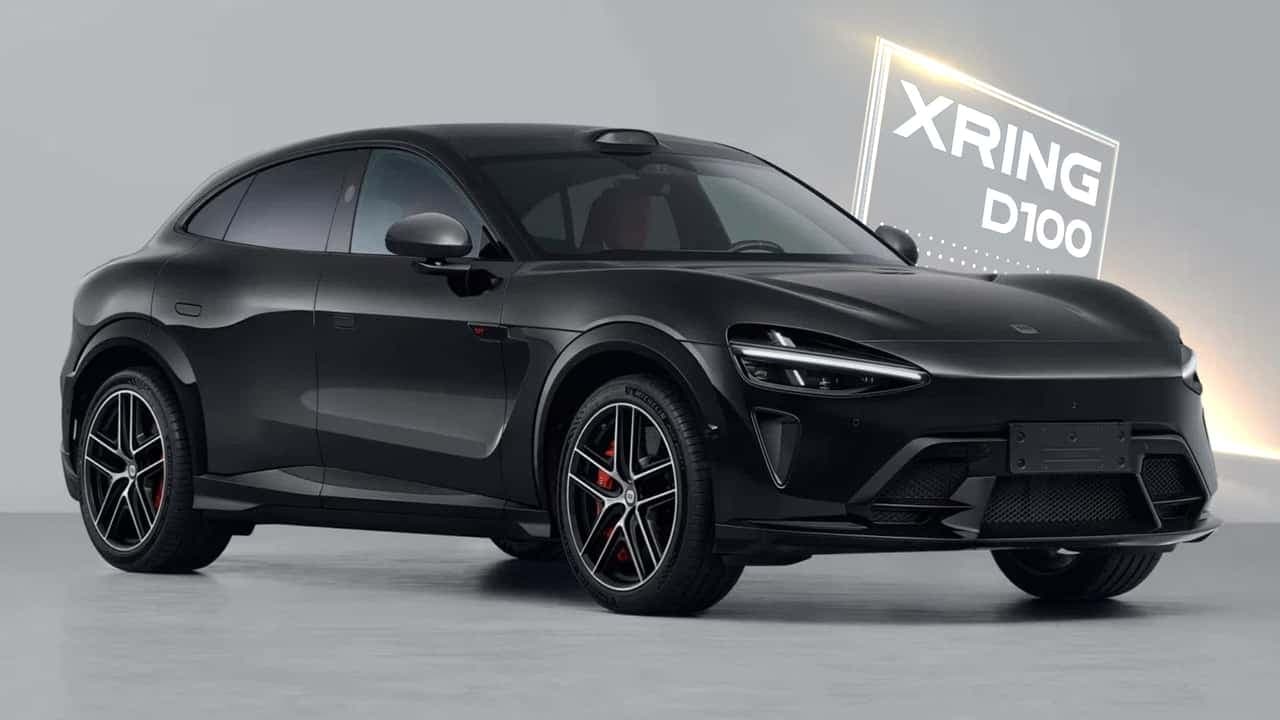
Xiaomi has officially unveiled its proprietary Xring D100 chip, specifically designed to enhance artificial intelligence (AI) capabilities and advanced driver-assistance systems (ADAS) in electric vehicles (EVs). This development signifies a critical pivot for Xiaomi, moving away from reliance on Nvidia's technology, a step echoed by several Chinese EV manufacturers pursuing in-house silicon solutions.
Key Specifications of the Xring D100
- CPU: 20-core
- NPU: 16-core, optimized for intelligent driving applications
- Memory Support: Up to 160 GB of unified memory
- AI Model Capacity: Able to run complex models containing up to 200 billion parameters
This strategic move not only positions Xiaomi to tailor its hardware to fit its own software and sensor specifications but also reduces its dependency on external chip suppliers. The company's aim is clear: optimize performance and control costs while developing cutting-edge EV technology.
Xiaomi's investment in the semiconductor sector has surpassed $3 billion, which encompasses the Xring D100 and additional AI-centric components intended for both vehicles and mobile devices. This investment underscores Xiaomi's commitment to enhancing its technological capabilities and establishing a solid foothold in the competitive EV market.
As the automotive industry grapples with ongoing global supply chain issues, Xiaomi's transition aligns with prioritizing in-house chip development. Other major players in the Chinese EV market, such as BYD and Nio, are similarly advancing their own silicon initiatives. This collective shift reflects industry-wide efforts to bolster self-reliance and innovate within the realm of intelligent transportation.