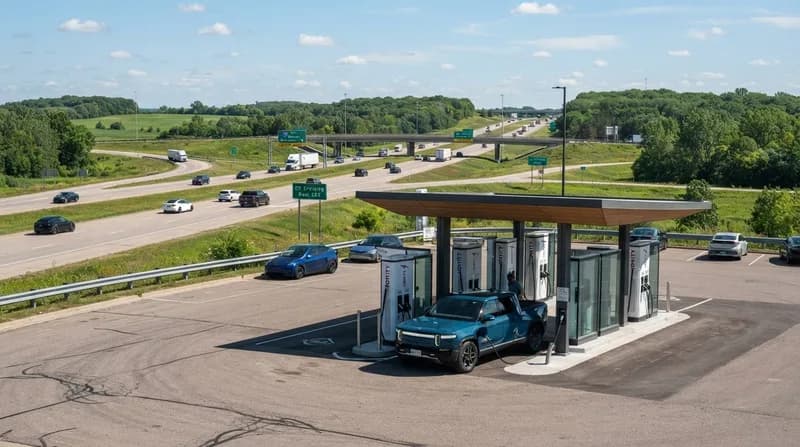
A Major Expansion for Wisconsin’s EV Corridor
The state of Wisconsin has officially moved forward with plans to install 42 new fast-charging sites, marking a critical step in the expansion of its electric vehicle infrastructure. Funded by $25 million in federal grants via the National Electric Vehicle Infrastructure (NEVI) program, the initiative aims to bridge gaps in existing coverage, specifically targeting US and state highway corridors that were previously underserved.
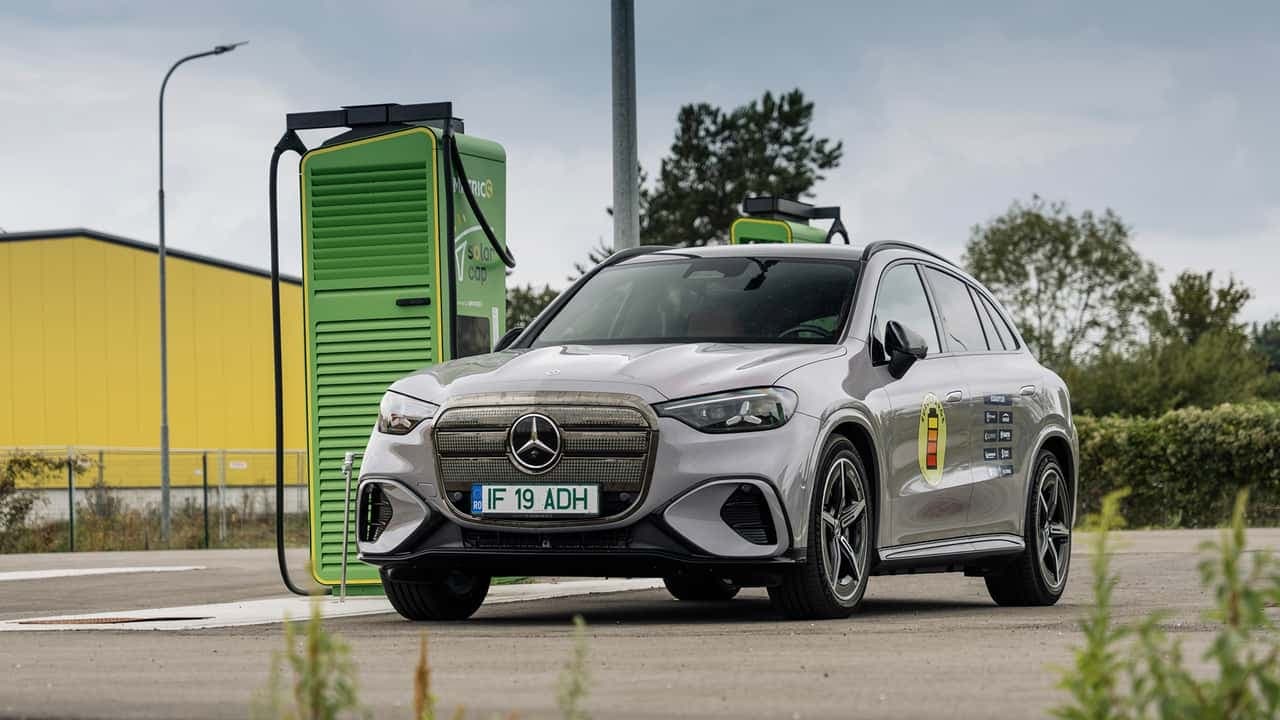
These new installations will be integrated into existing commercial hubs, including grocery stores, hotels, restaurants, and traditional fuel retail centers. By embedding these chargers into locations where travelers already stop, the Wisconsin Department of Transportation (WisDOT) intends to create a more seamless experience for EV drivers. Key urban centers such as Milwaukee, Madison, Green Bay, and Eau Claire are slated for upgrades, alongside several smaller towns, ensuring a comprehensive distribution across the state.
Strategic Implementation and Site Selection
The selection process for these sites was rigorous, focusing on long-term development potential and operational efficiency. Each site was evaluated based on accessibility, with a specific preference for locations capable of accommodating pull-through parking, which is essential for larger vehicles and those towing trailers. Furthermore, the state prioritized businesses with extended operating hours, ensuring that charging services remain accessible to the public regardless of the time of day.
Funding for these projects varies, with individual grants ranging from approximately $397,000 to $930,000. The largest single award is earmarked for Walker’s Point Plaza in Milwaukee, signaling a major commitment to high-traffic metropolitan infrastructure. These investments supplement the 25 stations already in operation, bringing the state’s total NEVI-supported portfolio to 120 charging projects.
Why It Matters
- Infrastructure Milestone: Wisconsin has now successfully established funded charging points every 50 miles along its designated interstate highways, fulfilling a federal mandate that unlocks further funding for local road networks.
- Resilience Amid Policy Challenges: This expansion follows a prolonged legal battle between the federal administration and a coalition of states regarding the withholding of NEVI funds. A court ruling earlier this year compelled the release of these resources, allowing projects like Wisconsin’s to proceed despite federal attempts to pause the program.
- Economic Integration: By co-locating charging infrastructure with existing businesses, the program aims to boost local economies, turning refueling stops into opportunities for commerce.
Looking ahead, this influx of capital represents a robust commitment to modernizing the state's transportation grid. Despite the political headwinds and the ongoing debate surrounding domestic manufacturing requirements for charging components, Wisconsin officials remain focused on building a durable, 21st-century network that supports the growing demand for electric mobility.