Revolutionizing Hypertension Diagnostics
For millions of people worldwide, high blood pressure—or hypertension—remains a persistent health challenge, often treated through a one-size-fits-all approach. However, new research published in Science Translational Medicine suggests that a significant portion of these cases may be driven by primary aldosteronism, a hormonal disorder that is frequently missed by routine clinical blood tests. This condition, which can contribute to serious long-term health risks including stroke, heart disease, and diabetes, is now coming under scrutiny thanks to a pioneering wearable device.
The study, involving an international team of researchers, utilized a portable monitoring system to track hormone levels continuously over a 24-hour period. By observing patients in their natural home environments rather than in a clinical setting, researchers successfully identified specific nocturnal hormone bursts that traditional, snapshot-style blood tests would inevitably miss. This breakthrough suggests that the current "gold standard" of measuring hormones at a single point in time may be fundamentally inadequate for detecting intermittent but dangerous hormonal fluctuations.
The U-RHYTHM Monitoring System
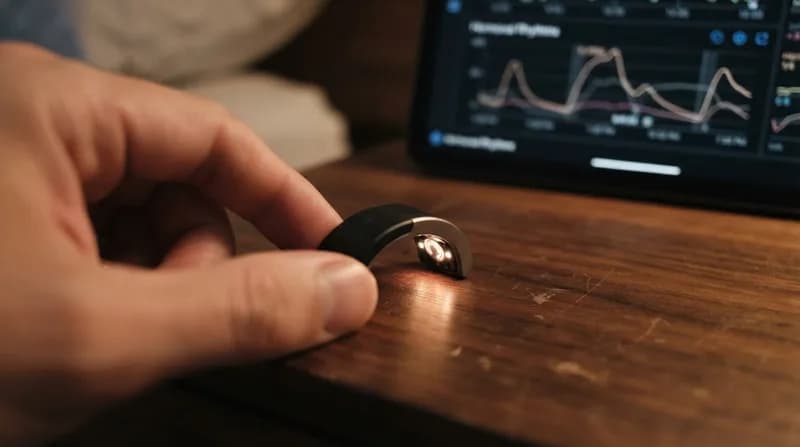
At the heart of this research is the U-RHYTHM device, a specialized piece of hardware approximately the size of a mobile phone. Designed to be worn at the waist, the device enables continuous hormone sampling through the skin. This non-invasive, lightweight form factor allows patients to go about their daily routines, including sleep, without the disruption typically associated with hospital-based monitoring.
By sampling hormones every 20 minutes, the device provides a granular, rhythmic profile of the body’s endocrine activity. During the study, researchers focused on aldosterone—the primary driver of salt and water balance—alongside related hormones like 18-hydroxycortisol and 18-oxocortisol. The data revealed that in patients with primary aldosteronism, hormone levels do not necessarily remain elevated around the clock. Instead, they exhibit erratic bursts that peak during the night, explaining why a mid-day clinic visit might yield a "normal" reading even in patients with significant underlying disease.
Why It Matters: Context and Future Outlook
The implications of this technology extend far beyond simple observation. Primary aldosteronism is considered one of the most common causes of secondary hypertension and, importantly, it is a condition that can be effectively treated or even cured. Current diagnostic delays mean that many patients live with undiagnosed risks for years. By shifting the paradigm toward dynamic, continuous monitoring, the medical community may soon have the tools to catch these hormonal irregularities at their onset.
- Precision Diagnostics: Moving away from single-point blood draws reduces the chance of "false negatives" in diagnosis.
- Home-Based Convenience: Removing the requirement for hospital stays ensures more accurate data reflecting a patient's natural circadian rhythm.
- Targeted Treatment: Identifying the specific adrenal gland responsible for hormone surges allows for precise surgical or medical interventions, which have been shown to stop the nocturnal bursts entirely.
As the technology moves from research settings toward potential clinical adoption, the focus will shift to standardizing these dynamic hormone profiles. By integrating mathematical and computational analysis into the diagnostic pathway, clinicians hope to transform hypertension management from a reactive, symptom-based discipline into a proactive, data-driven science that saves lives by addressing root causes before they manifest as cardiac emergencies.