The Case for Autonomous Safety
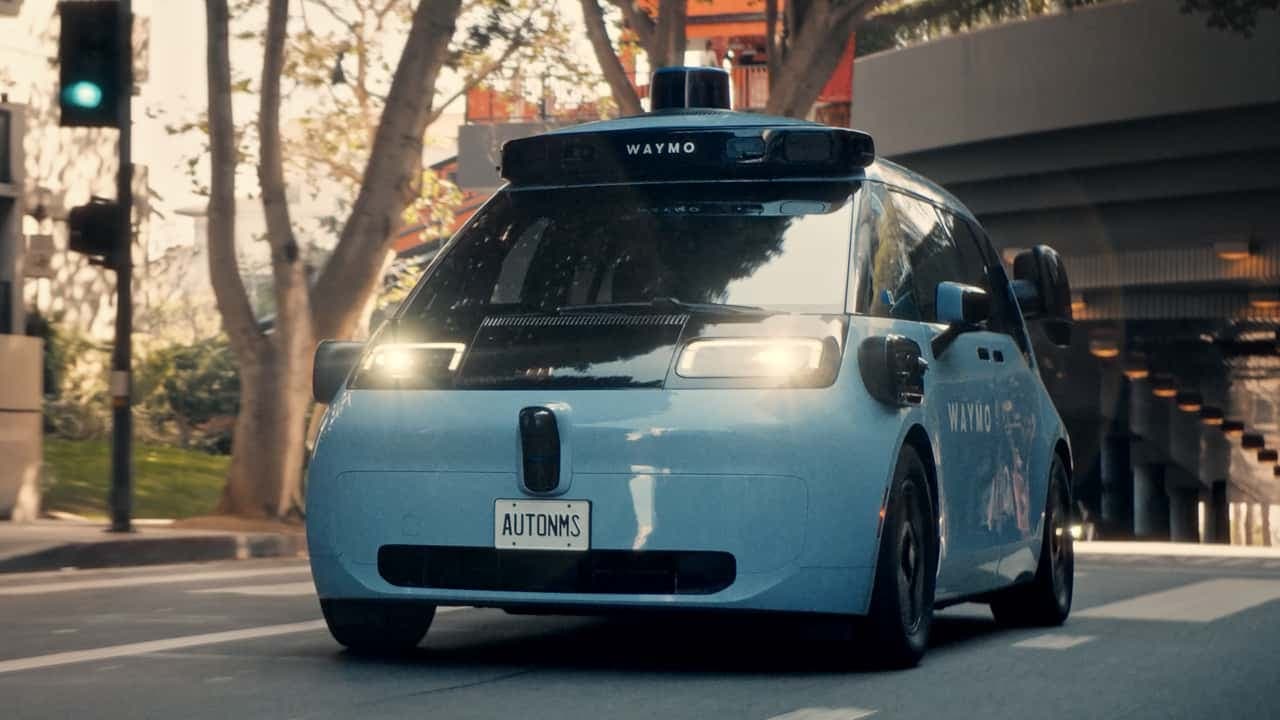
The debate surrounding autonomous vehicles often feels like a collision between skepticism and innovation. While the public remains wary of replacing the human brain with complex sensor arrays and AI algorithms, Waymo has released a massive dataset that attempts to ground the conversation in cold, hard metrics. As of June, the company has logged over 271 million miles of fully driverless operation, and the resulting safety figures paint a picture that is difficult for human drivers to ignore.
According to the latest report, Waymo vehicles were involved in 82% fewer injury-causing crashes than the national human-driven average. This translates to an estimated 841 prevented accidents involving injuries over the course of their operational history. Even more impressive is the delta in severe incident categories, where Waymo reports a 95% reduction in collisions resulting in serious or fatal injuries, effectively signaling a 20-fold decrease in high-severity risk compared to human counterparts.
Breakdown of Safety Performance
The safety statistics extend beyond general collisions, providing granular data on vulnerable road users. When comparing robotaxi performance to human driving benchmarks, Waymo documented 93% fewer pedestrian incidents resulting in injuries. For those traveling on two wheels, the metrics remain similarly optimistic, with an 86% reduction in cyclist-related injuries and an 82% reduction for motorcyclists.
Why it Matters: The Data Perspective
- Reduced IPMM: Waymo’s Incidents Per Million Miles (IPMM) sits at 0.67, significantly lower than the 3.77 IPMM average for human drivers in the specific urban regions where the company operates.
- Urban Resilience: Even in complex, high-density environments like San Francisco, where human-driven incident rates have climbed as high as 6.64 IPMM, Waymo’s fleet maintained a consistent safety profile.
- Independent Validation: These internal findings are corroborated by recent studies from the Insurance Institute for Highway Safety (IIHS), which independently reached similar conclusions regarding the frequency of collisions for driverless systems.
The Asterisks and the Road Ahead
While these statistics provide a powerful argument for the adoption of autonomous transport, they come with necessary context. The data focuses on the specific metropolitan areas where Waymo currently operates, which are heavily mapped and serviced. In contrast, national human-driver averages account for every road condition, infrastructure failure, and unpredictable hazard across the entire country, including regions where autonomous tech is not yet equipped to navigate.
Despite the occasional viral video of a stalled robotaxi or a navigation gaffe that frustrates city residents, the safety reality suggests that the technology is maturing rapidly. As Waymo scales its operations to include more diverse weather conditions and varied geographic markets—such as its ongoing expansion into snowy environments—these datasets will serve as the ultimate litmus test for whether autonomous vehicles can maintain this safety lead on a national scale. For now, the evidence suggests that the era of the human driver may eventually be viewed as a significantly more dangerous alternative to the silicon pilot.